Scaffolding equipment provides temporary access and support for work at height. A typical system includes frames or standards, braces, platforms, guardrails, base plates, and connecting pins. Each part helps keep the structure stable when properly selected, assembled, and used. Small defects matter. A loose coupler, cracked plank, or bent frame can affect the whole setup. Wear is not always obvious, especially around joints and underneath platforms. That is why routine checks should involve more than a quick glance.
Knowing how to maintain scaffolding equipment starts with following the manufacturer’s instructions and having inspections performed by a competent person. Check frames, braces, locking devices, platform boards, guardrails, and base components before use and after events that could cause damage. Look for cracks, corrosion, missing parts, warped boards, and connections that do not fit securely. Keep equipment clean, and store it on a stable, dry surface to reduce damage from moisture and impact. Tag or separate damaged components so they are not accidentally returned to service. Do not rely on improvised repairs; use approved replacement parts and qualified support. Keep clear inspection and maintenance records, including what was checked and what action followed. A checklist helps, but it cannot replace sound judgment. Even experienced crews can overlook a small change when work is rushed, so pause when something feels uncertain.
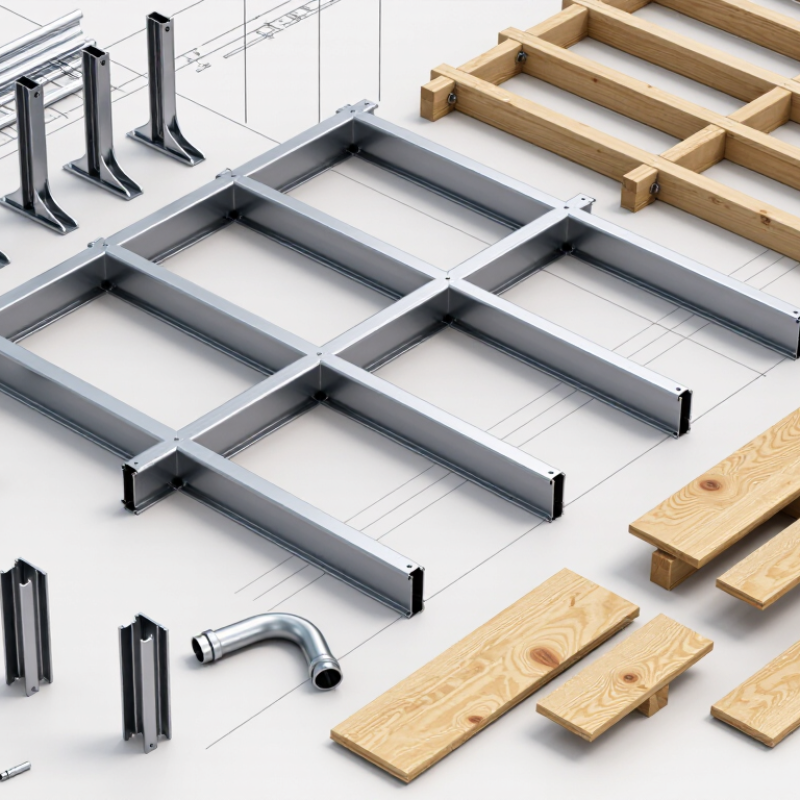
Scaffolding equipment is a temporary structure that gives workers access to elevated areas and supports people, tools, and materials within its rated capacity. It commonly includes frames or standards, horizontal ledgers, diagonal braces, platforms, guardrails, base plates, and connecting fittings. Each part has a job. Braces help resist movement, while base plates spread loads onto a suitable supporting surface. Platforms provide a stable working area, but they must be properly secured and suitable for the intended load.
Crews use scaffolds for brickwork, building repairs, painting, window installation, and other tasks that are difficult to reach safely from the ground. A small mobile scaffold can help indoors; a larger system may be needed along an exterior wall. The right setup depends on the work height, ground conditions, access needs, and materials being handled. More equipment does not always mean more safety. A tidy-looking frame can still have loose connections or an uneven base. Before use, a competent person should check the structure, access points, platform condition, and protective rails. Even a quick visual check has limits, so it should not replace proper inspection or training.
| Equipment or Component | What It Is | Primary Use | Maintenance and Safety Checks |
|---|---|---|---|
| Standards (uprights) | Vertical scaffold members that transfer loads toward the ground or supporting structure. | Form the main vertical framework and support ledgers and transoms. | Check for bends, cracks, corrosion, damaged ends, and secure connections. Keep standards plumb and properly supported. |
| Ledgers and transoms | Horizontal members; ledgers usually run along the scaffold, while transoms span across it. | Connect standards, support platform components, and help maintain the scaffold’s shape. | Inspect for distortion, damaged locking points, loose fittings, and corrosion. Confirm connections are fully engaged. |
| Scaffold boards or platform units | Decking made from suitable timber or manufactured platform units. | Provide a working surface for workers, tools, and materials within the scaffold’s rated capacity. | Look for splits, excessive wear, damaged hooks, contamination, and insecure placement. Remove defective units and keep platforms clear. |
| Base plates and sole boards | Base plates spread loads at standards; sole boards provide a larger bearing surface on suitable ground. | Help distribute scaffold loads and provide a stable base. | Check for cracks, deformation, sound bearing, and settlement. Do not use unstable, improvised, or unsuitable support materials. |
| Couplers and fittings | Connectors used to join scaffold tubes or secure components, depending on the scaffold system. | Create and secure joints in tube-and-coupler scaffolds and other compatible arrangements. | Inspect for cracks, worn threads, deformation, and missing parts. Keep fittings clean and use only compatible components. |
| Diagonal braces | Diagonal members installed across scaffold bays or faces. | Help resist sideways movement and maintain the scaffold’s stability. | Check for bending, damaged ends, and secure connections. Keep braces in place as specified by the scaffold design. |
| Guardrails and toe boards | Edge-protection components fitted around exposed platform edges where required. | Help prevent falls and reduce the risk of tools or materials falling from platforms. | Check that components are correctly positioned, secure, and undamaged. Replace missing or defective edge protection promptly. |
| Ties and anchors | Connections between a scaffold and a suitable supporting structure, installed according to the design. | Help restrain scaffold movement and support overall stability. | Inspect attachment points and connections. Do not remove, loosen, or alter ties without authorization from a competent person. |
| Access ladders or stair units | Purpose-provided access components for reaching scaffold working levels. | Provide a designated route onto and between scaffold levels. | Check for secure attachment, damage, obstruction, and slippery contamination. Keep access routes clear and use the intended access system. |
| Inspection and care routine | A planned process for checking, cleaning, storing, and documenting scaffold equipment. | Helps identify defects before use and keeps components fit for service. | Inspect before use and at intervals required by local regulations, site conditions, and the scaffold plan. Recheck after alteration or events that could affect safety. Quarantine damaged parts; store clean and dry; follow manufacturer instructions and competent-person guidance. |
Always follow the scaffold design, applicable safety regulations, equipment instructions, and the direction of a competent person. Never exceed the stated load capacity or use damaged components.
It is a temporary structure that gives workers access to elevated areas. It supports people, tools, and materials within its rated capacity.
Common parts include frames, braces, platforms, guardrails, base plates, and fittings. Braces resist movement. Base plates spread loads across a suitable surface.
Crews use them for brickwork, painting, repairs, and window installation. They help workers reach areas that are difficult to access from the ground.
Consider work height, ground conditions, access needs, and materials. A larger setup is not automatically safer. The details matter.
Inspect it before each work shift, and after severe weather, an impact, or structural changes. A quick glance can feel reassuring, but it may miss a loose connection.
Check that the base is level and stable. Look for cracked boards, bent braces, corrosion, loose fittings, and missing pins. Confirm rails and access points are secure.
Keep the affected scaffold out of use until a trained person assesses it and arranges proper repairs. Do not improvise. I might still overlook something, so careful checks matter.
Clear platforms of scrap, mud, and pooled water. Clean and dry components before storage, then stack them away from vehicles and falling materials. Record defects and repairs, even minor ones.
Scaffolding equipment provides a temporary, elevated work platform that helps workers reach areas that are difficult to access safely. It commonly includes frames or standards, platforms, braces, guardrails, base plates, and access ladders. The type and configuration depend on the work area, required height, and load. Before use, components should be checked for compatibility and damage, then assembled on firm, level ground according to a clear sequence. Platforms must be secured, access kept clear, and the structure used only within its rated capacity.
Knowing how to maintain scaffolding equipment helps keep it reliable between jobs. Inspect components before and after use, looking for cracks, bent sections, loose connections, corrosion, and worn or missing parts. Remove damaged pieces from service until they can be properly repaired or replaced. Clean equipment after use and allow it to dry before storage. Keep parts organized in a dry, stable place, protected from moisture, impacts, and unnecessary strain, so they remain easier to inspect and ready for the next project.

 Shubrixa Build