2026 Top Modular Systems Why Are They Popular in Construction?

Time:2026-10-15 Author:Mason
0%

Why are modular systems popular in construction? The answer is practical, measurable, and increasingly urgent in 2026. Modular systems move much of the building process into controlled factories. Workers assemble wall panels, volumetric rooms, and bathroom pods beside organized production lines. This approach can shorten schedules, reduce material waste, and improve consistency.

Amy Marks, a recognized industrialized construction strategist, has often emphasized, “We need to industrialize construction.” Her statement reflects a major industry shift. Builders now use building information modeling, automated fabrication, and design for manufacture and assembly. These tools help teams identify clashes before materials reach the site. They also support repeatable quality across hotels, hospitals, schools, and housing projects.

The benefits are not universal. Transport limits, crane access, and early design decisions can create serious challenges. A factory cannot solve poor planning. Local labor skills and supply chains still matter. That is the uncomfortable part. Modular construction promises control, but it demands discipline earlier than traditional building methods.

This article explores the top modular systems shaping construction in 2026. It examines volumetric modules, panelized systems, hybrid structures, and prefabricated service units. It also considers cost, carbon reduction, installation speed, and long-term performance. Real project experience suggests that modular success depends on coordination, not technology alone. The strongest systems are not always the most advanced. They are the systems that fit the project, site, budget, and people.
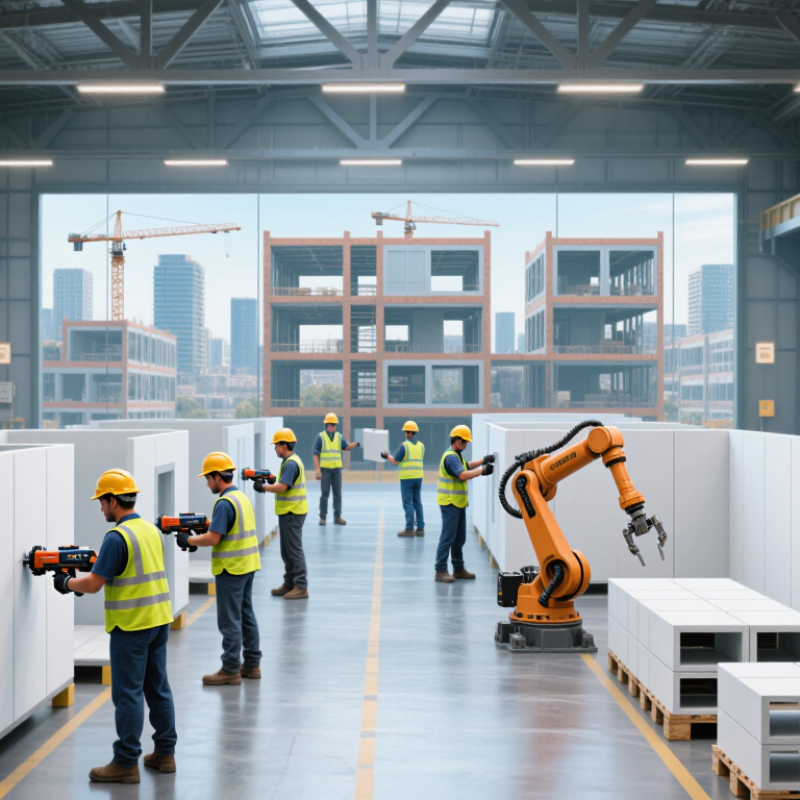
2026 Top Modular Systems Why Are They Popular in Construction?

2026 Modular Systems: Volumetric, Panelized, Hybrid, and Pod-Based Models

In 2026, modular systems are gaining attention because they move more construction work into controlled factory environments.

This can reduce weather delays, material waste, and unpredictable site labor. Yet the best choice depends on building size, transport access, and local installation skills.

Speed matters.

Volumetric systems

arrive as three-dimensional rooms with walls, floors, ceilings, and services already installed. They suit hotels, student housing, clinics, and repeated apartment layouts.

Panelized systems

use flat wall, floor, or roof sections, offering more flexibility for irregular designs. Panels also reduce transport volume, although crews need accurate equipment and careful weatherproofing on site.

Small errors can spread quickly.

Hybrid systems

combine factory-made modules with panelized sections, making them useful for projects needing both repetition and design freedom.

Pod-based models

package specialist spaces, such as bathrooms or kitchens, before delivery. These pods can improve plumbing consistency and shorten finishing work, but lifting plans and connection details require serious coordination.

In practice, factory quality does not remove site risk.

A poorly sealed joint can still cause moisture damage.

The fit is not perfect.

Project teams should review drawings, transport routes, tolerances, fire performance, and inspection records before production begins. Experienced contractors also test one installed unit before repeating the process. That step may feel slow, but it often reveals hidden coordination problems while changes remain affordable.

Factory Production: Why Modular Projects Can Finish 20–50% Faster (McKinsey)

Factory production is changing how modular systems serve construction in 2026. Building sections indoors protects work from rain, wind, and freezing conditions. Fewer weather delays. Workers can install wiring, plumbing, insulation, and finishes beside a controlled assembly line. Quality checks also happen earlier, before modules reach the site. This reduces rework caused by damaged materials or crowded work areas.

A widely cited construction analysis reports that modular projects can finish 20–50% faster than conventional builds. The reason is parallel scheduling. While foundations are prepared on site, factory teams produce finished rooms elsewhere. Trucks then deliver completed modules for rapid placement and connection. A school wing, for example, may arrive with painted walls, fitted doors, and tested electrical systems. This shortens the exposed construction period and may reduce local disruption.

The estimate is not a promise. Design changes made after factory production begins can create expensive delays. Transport routes, crane access, and connection tolerances require careful planning. I have found that the strongest schedules include detailed coordination drawings and weekly checks between factory and site teams. Small errors matter. A misplaced service opening can stop an entire installation sequence. Factory work improves consistency, but it does not remove construction risk. Teams still need experienced supervisors, documented inspections, and realistic delivery buffers. 马会恒一

Cost and Quality: McKinsey Reports Up to 20% Savings in Modular Building

Modular systems are gaining attention because they can reduce construction costs without treating quality as an afterthought. A widely cited McKinsey analysis reports potential savings of up to 20% compared with conventional building methods. The number is attractive. However, it is not a universal promise.

The savings usually come from repeatable factory work, fewer weather delays, and tighter material control. A wall panel made indoors can avoid rain, mud, and repeated on-site adjustments. Standardized modules also reduce waste from inaccurate cutting. Project teams can inspect wiring, insulation, and connections before units leave the factory. This creates a clearer quality trail.

Real results depend on design discipline. Early coordination between architects, engineers, manufacturers, and installers is essential. If a late design change affects bathroom layouts or service routes, transport and rework costs can rise quickly. Not every project wins. Local labor rates, site access, crane planning, and transport distance also influence the final budget. Independent cost reviews should test the 20% figure against actual quantities, schedules, and regional prices. That matters.

From practical project observations, modular construction performs best when decisions are made early and repeated carefully. Minor inconsistencies still occur, especially at module connections and finishes. Teams should record them rather than hide them. A lower price has limited value if repairs appear after handover. Cost and quality must be measured together, using inspection records, defect rates, delivery times, and lifecycle performance.

2026 Top Modular Systems: Why Are They Popular in Construction? — Cost and Quality: Up to 20% Savings in Modular Building
Performance Dimension Conventional Construction Modular Construction Result Reported Quantified Impact Why It Matters
Total Project Cost More site labor, material handling, and weather exposure can increase indirect costs. Factory production supports repeatable workflows, bulk purchasing, and reduced on-site labor. Up to 20% lower total construction cost in suitable projects. Improves budget control when design, logistics, and factory capacity are coordinated early.
Construction Schedule Site preparation, structure, interiors, and services are usually completed in sequence. Modules can be manufactured off-site while foundations and utilities are prepared on-site. Approximately 20%–50% shorter project schedules. Earlier completion can reduce financing, site overhead, and delayed-occupancy costs.
Material Waste Cutting, packaging, weather damage, and material movement can create significant site waste. Controlled factory cutting and standardized production improve material planning and reuse. Waste reductions of up to 90% are reported for some modular projects. Lower disposal volumes support environmental targets and reduce waste-management costs.
Labor Productivity Workers operate in changing site conditions with variable access and weather interruptions. Factory stations, repeatable tasks, and dedicated tooling create a more controlled workflow. Productivity gains of roughly 30% are reported in suitable applications. Reduces dependence on scarce site labor and supports more predictable production rates.
Quality Consistency Quality can vary with site conditions, crew availability, sequencing, and inspection timing. Factory-based work enables standardized processes, repeat inspections, and protected storage. More consistent dimensional accuracy and finishing quality; results vary by system and inspection controls. Improves repeatability and can reduce rework when design tolerances are managed correctly.
Weather Exposure Rain, snow, heat, and wind can interrupt installation and damage exposed materials. Most module fabrication occurs in an enclosed production environment. A larger share of work is protected from weather-related disruption. Supports steadier production and reduces schedule volatility in difficult climates.
On-Site Activity More trades, deliveries, storage areas, and temporary facilities are required on the site. Major building components arrive substantially complete and are assembled with fewer site operations. Potentially fewer site deliveries, shorter installation periods, and lower site congestion. Useful for urban, occupied, remote, or space-constrained construction sites.
Project Risk Late design changes, trade conflicts, and site coordination issues can affect cost and schedule. Design coordination and production planning move earlier in the project lifecycle. Risk shifts from late-stage site execution toward early design and logistics planning. Early decisions become more important, but late rework and coordination problems may decline.
Note: Figures are reported industry ranges and upper-bound outcomes from published modular-construction research and market analyses. Actual results depend on building type, design standardization, transportation distance, site conditions, local labor rates, regulations, and factory capacity.

Labor Demand: Modular Construction Responds to Global Skills Shortages (ILO)

2026 Top Modular Systems: Why Are They Popular in Construction?

Global construction faces a serious skills shortage. The International Labour Organization has repeatedly highlighted workforce gaps as a growing productivity risk. Modular construction responds by moving many tasks into controlled factory environments.

Workers assemble wall panels, bathrooms, and service units with repeatable tools and defined procedures. This can reduce dependence on scarce site-based trades. It also makes training more focused. A new worker may learn one station before handling a complete installation.

The labor shift is not effortless. Factory teams still need engineers, welders, electricians, inspectors, and logistics planners. Site crews must connect modules accurately, often within tight crane schedules. A small measurement error can delay several rooms.

Modular systems improve consistency, but they do not remove human judgment. In my experience, the strongest projects treat factories and sites as one team. Poor communication still creates expensive rework. That weakness deserves more attention.

Tips:

Map local labor shortages before choosing a system. Train workers on lifting, sealing, and service connections. Use checklists at every handover. Keep experienced supervisors involved. Automation helps, but practical judgment remains essential.

Waste Reduction: Off-Site Construction Can Cut Material Waste by Up to 90% (WRAP)

2026 Top Modular Systems: Why Are They Popular in Construction?

Waste control is a practical reason modular construction is gaining attention. WRAP reports that off-site construction can reduce material waste by up to 90% in suitable projects. This figure is not universal, however. It depends on accurate design, repeatable components, and disciplined factory management.

In a controlled workshop, panels are cut beside digital plans, not exposed to rain, mud, and hurried site work. Offcuts can be measured, sorted, and reused more easily. A standard wall section may arrive with insulation, fixings, and openings already prepared. This reduces damaged materials and unnecessary packaging on site. Small savings accumulate.

The U.S. Environmental Protection Agency reported about 600 million tons of construction and demolition debris in 2018. Modular methods cannot remove this problem alone. Design revisions remain a serious source of waste. One late change can make a finished module unusable, despite careful production planning. That weakness deserves more attention.

WRAP also emphasizes the value of designing for manufacture and assembly. In practice, project teams need early coordination between architects, engineers, manufacturers, and installers. Material passports, take-back plans, and clear cutting schedules can strengthen the result. The factory is cleaner, but not automatically sustainable. Waste must still be counted, photographed, and reviewed at each stage.

FAQS

What are modular construction systems?

They move much of the building work into controlled factory environments. This can reduce weather delays, material waste, and unpredictable site labor. Speed matters.

When do volumetric modules work best?

Volumetric modules arrive as complete rooms with floors, walls, ceilings, and services. They suit hotels, clinics, student housing, and repeated apartment layouts. Repetition helps.

What makes panelized systems different?

Panelized systems deliver flat wall, floor, or roof sections. They support irregular designs and usually use less transport space. Site teams must seal joints carefully.

When should a hybrid system be considered?

Hybrid systems combine three-dimensional modules with panelized sections. They fit projects needing repeated rooms and greater architectural freedom. The coordination burden remains significant.

What are pod-based systems used for?

Pods package specialist spaces, such as bathrooms or kitchens, before delivery. They can improve plumbing consistency and reduce finishing work. Lifting plans need careful review.

Can modular construction reduce material waste?

In suitable projects, off-site methods can reduce waste by as much as 90 percent. Factory cutting creates fewer wet, damaged, or misplaced materials. Results are not guaranteed.

What can still go wrong with factory-made modules?

A poorly sealed joint may allow moisture into a building. Transport damage, tolerance errors, and weak connections can also create problems. Factory quality is not site quality.

How should teams prepare before production begins?

Teams should review drawings, transport routes, tolerances, fire performance, and inspection records. They should test one installed unit before repeating the process. That test may feel slow. It often exposes hidden problems while changes remain affordable.

Is modular construction automatically sustainable?

No. Late design changes can make completed modules unusable. Teams should track, photograph, and review waste at every stage. The factory is cleaner, but not automatically sustainable.

Conclusion

Modular systems are becoming increasingly popular in construction because they combine speed, efficiency, flexibility, and consistent quality. The main models include volumetric modules, panelized systems, hybrid structures, and pod-based units, allowing projects to select the most suitable approach for their design and schedule. Since many components are produced in controlled factory environments, construction can progress at the same time as site preparation, potentially reducing completion times by 20–50%. This coordinated process also improves accuracy, limits weather-related delays, and supports more predictable project planning.

Another reason why are modular systems popular in construction is their potential to reduce costs and material waste. Standardized production and efficient resource management can lower overall expenses by up to 20%, while off-site manufacturing may cut material waste by as much as 90%. Modular construction also helps address global labor shortages by reducing dependence on large on-site teams and simplifying installation. As demand grows for faster, more sustainable, and reliable building solutions, modular systems are likely to remain an important part of the construction industry.

Mason

Mason

Mason is a seasoned marketing professional with a deep expertise in the company's offerings and a passion for driving brand awareness. With a strong background in digital marketing strategies, he has an innate ability to connect with diverse audiences and effectively communicate product benefits.......