Top 10 Benefits of Scaffolding in Construction Projects?

Time:2026-03-31 Author:Aria
0%

Scaffolding is a crucial element in construction projects. It provides safety and support for workers at various heights. But how does scaffolding work in construction? Understanding its function can enhance project efficiency and safety.

There are notable benefits of using scaffolding. It promotes a secure environment for workers. This support reduces accidents and enhances productivity. In urban settings, scaffolding is vital for multi-story buildings. It allows crews to reach elevated work areas with ease. However, its use requires careful planning and execution. Poor installation can lead to risks.

Moreover, scaffolding offers flexibility. It can be customized to fit different project needs. Despite its advantages, challenges exist. Weather conditions can affect stability. Proper maintenance is essential to prolong its usability. Addressing these factors is key to successful construction.
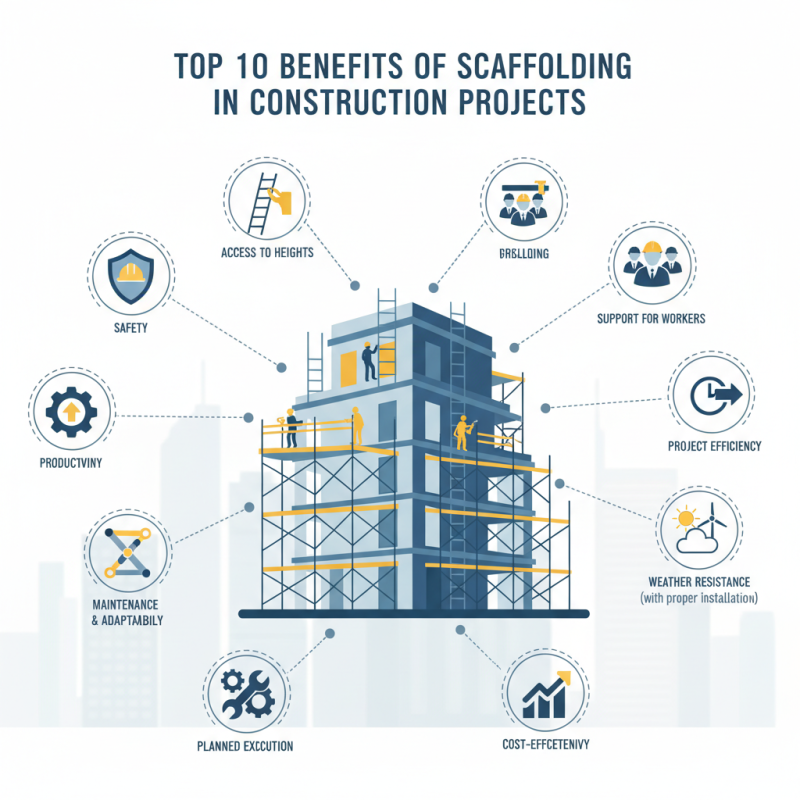
Top 10 Benefits of Scaffolding in Construction Projects?

Overview of Scaffolding in Construction Projects

Overview of Scaffolding in Construction Projects

Scaffolding is a vital component of construction projects. It provides support and access to areas that are difficult to reach. This structure enables workers to perform tasks safely and efficiently on various building heights. Scaffolding enhances work productivity by allowing multiple workers to collaborate seamlessly. Its adaptability makes it suitable for both large and small projects.

When considering scaffolding, safety should be a priority. Regular inspections can identify potential weaknesses in the structure. Ensure that all components are installed correctly. A stable foundation is essential for any scaffolding system. It's wise to follow guidelines to maintain safety and comply with regulations.

Hiring experienced professionals for scaffolding setup is crucial. They bring expertise that prevents accidents. Training workers on proper scaffolding use can further ensure safety. Communication among team members about scaffolding placement is essential. Clear guidelines help avoid misunderstandings. Misplaced scaffolding can lead to delays and increased costs. Thus, consider these aspects carefully in your construction planning.

Increased Worker Safety and Risk Mitigation

Scaffolding is a crucial element in construction projects, especially when it comes to ensuring worker safety and mitigating risks. Proper scaffolding provides a stable platform for workers. It minimizes the chances of falls, which are a leading cause of injuries on construction sites. When scaffolding is installed correctly, it significantly reduces accidents. Workers can focus on their tasks without the worry of safety hazards.

Tips for ensuring worker safety include regular inspections of the scaffolding. This can help identify any wear and tear that may compromise its stability. Additionally, training workers on how to use scaffolding safely is essential. They should understand the weight limits and know how to maintain balance while working at heights.

It's important to remember that even the best scaffolding can have flaws. Regular feedback from workers is vital for continuous improvement. If they notice any issues, they should report them immediately. Creating an open communication channel helps in addressing potential risks before they become serious problems. Investing time in safety practices today will pay off in the long run.

Enhanced Access to Elevated Work Areas

In construction projects, scaffolding plays a crucial role, especially in enhancing access to elevated work areas. When workers need to reach high places, scaffolding provides the necessary support. This system allows for safe and efficient movement around a site. Whether it’s for painting, roofing, or any overhead work, scaffolding ensures that workers can perform their tasks with confidence and ease.

Imagine a team working on a skyscraper. They need to install windows hundreds of feet up. Without scaffolding, the task would be dangerous and impractical. Workers would struggle to balance on ladders or beams. Scaffolding offers a stable platform, making it easier for the crew to do their job effectively. This structure helps in minimizing accidents and improving overall productivity.

However, it’s essential to recognize that not all scaffolding systems are created equal. The materials used and the design can greatly impact reliability. Poorly constructed scaffolding can pose risks. Regular inspections are vital. Ensuring that the scaffold meets safety standards may save lives. While it provides great benefits, a commitment to safety and quality cannot be overlooked.

Improved Project Efficiency and Time Management

Scaffolding plays a vital role in enhancing project efficiency and time management in construction. According to a 2021 report by the Construction Industry Institute, effective scaffolding can reduce project timelines by up to 25%. This efficiency stems from improved access and safety for workers, allowing them to reach heights and perform tasks without delay. Better access means less downtime and fewer disruptions during construction, which are often caused by logistical issues.

Moreover, scaffolding systems provide a structured approach for workers. A study by the Occupational Safety and Health Administration (OSHA) indicates that projects with proper scaffolding in place experience a 50% reduction in on-site injuries. Fewer accidents reduce project delays, preventing costly interruptions. Workers can remain focused and maintain productivity levels.

While scaffolding boosts efficiency, improper installation can lead to issues. Inadequate scaffolding may cause safety hazards that hinder workflow. Addressing these potential risks is essential for maximizing productivity. Investing in training and following safety regulations ensures that scaffolding logistics enhance rather than obstruct project timelines.

Cost-Effectiveness and Resource Optimization in Construction

Scaffolding is crucial for construction efficiency. It not only enhances safety but also optimizes costs. Effective scaffolding design minimizes labor time and material waste. When executed right, it saves money while maximizing productivity on-site.

Using scaffolding strategically can help allocate resources better. With careful planning, fewer materials are wasted. This leads to a reduction in overall project expenses. However, poor scaffolding design can lead to additional costs and delays. It's essential to analyze potential pitfalls before implementation.

Moreover, scaffolding allows better access to hard-to-reach areas. This can improve work quality and speed up the completion rate. Yet, it requires regular inspections to ensure safety and compliance. Ignoring this can result in hazardous conditions, undermining benefits. Balancing cost-effectiveness and safety is challenging but necessary.

FAQS

: What is the main purpose of scaffolding in construction projects?

: Scaffolding provides support and access to difficult areas in construction, enabling safe and efficient work.

Why is safety important when using scaffolding?

Safety is crucial as it prevents accidents and identifies potential weaknesses through regular inspections.

How can scaffolding enhance productivity on a construction site?

Scaffolding allows multiple workers to collaborate easily, improving efficiency in completing tasks at various heights.

What should be checked to ensure scaffolding is safe?

Inspect for correct installation of components and ensure a stable foundation to prevent accidents.

What role do professionals play in scaffolding setup?

Experienced professionals bring expertise that minimizes risks during scaffolding setup and use.

How can communication affect scaffolding effectiveness?

Clear communication about placement can prevent misunderstandings, which helps to avoid delays and increased costs.

What are some risks of poorly constructed scaffolding?

Poorly constructed scaffolding can pose serious safety risks and lead to accidents on the job site.

Why is ongoing training for workers important with scaffolding?

Training helps ensure proper use and adherence to safety practices, reducing the chance of mishaps.

What are potential problems with different scaffolding systems?

Variations in materials and design can affect reliability; systematic inspections are necessary to ensure safety.

How can the benefits of scaffolding be maximized?

A commitment to safety, quality, and regular inspections can improve the effectiveness and reliability of scaffolding.

Conclusion

Scaffolding plays a crucial role in construction projects by providing a temporary structure that supports workers and materials, ensuring safety and efficiency. One of the primary benefits of scaffolding is increased worker safety and risk mitigation, as it allows for secure access to elevated work areas, reducing the likelihood of accidents. Additionally, scaffolding enhances project efficiency and time management by enabling workers to perform tasks at varying heights without unnecessary delays.

Moreover, understanding how does scaffolding work in construction reveals its cost-effectiveness and resource optimization. By allowing multiple team members to work simultaneously at different heights, scaffolding streamlines operations and minimizes labor costs. Overall, the strategic use of scaffolding not only fosters a safer working environment but also contributes significantly to the successful completion of construction projects on time and within budget.

Aria

Aria

Aria is a dedicated marketing professional with a deep passion for innovative strategies and a keen understanding of our company's product offerings. With a wealth of experience in the industry, Aria excels at crafting engaging content that highlights the unique features and benefits of our......