Best Materials for Scaffolding Systems What Should You Choose?

Time:2026-06-22 Author:Sienna
0%

Choosing the right materials for scaffolding systems is crucial for safety and efficiency. Construction projects often rely on scaffolding for support and access. Therefore, it’s essential to ask: what materials are best for scaffolding systems?

Traditionally, wood and steel were the go-to choices. Wood is affordable and easy to work with, but it can weaken over time. Steel, on the other hand, offers strength and durability. However, it comes with higher costs and requires more careful handling.

Aluminum scaffolding is gaining popularity. It is lightweight and easy to assemble, yet strong enough for large projects. Each material has pros and cons that need evaluation. The safety of workers is paramount. Thus, careful consideration should be given to the environment and the specific needs of the project. Ultimately, the best choice will depend on various factors, including budget, project scale, and required durability.
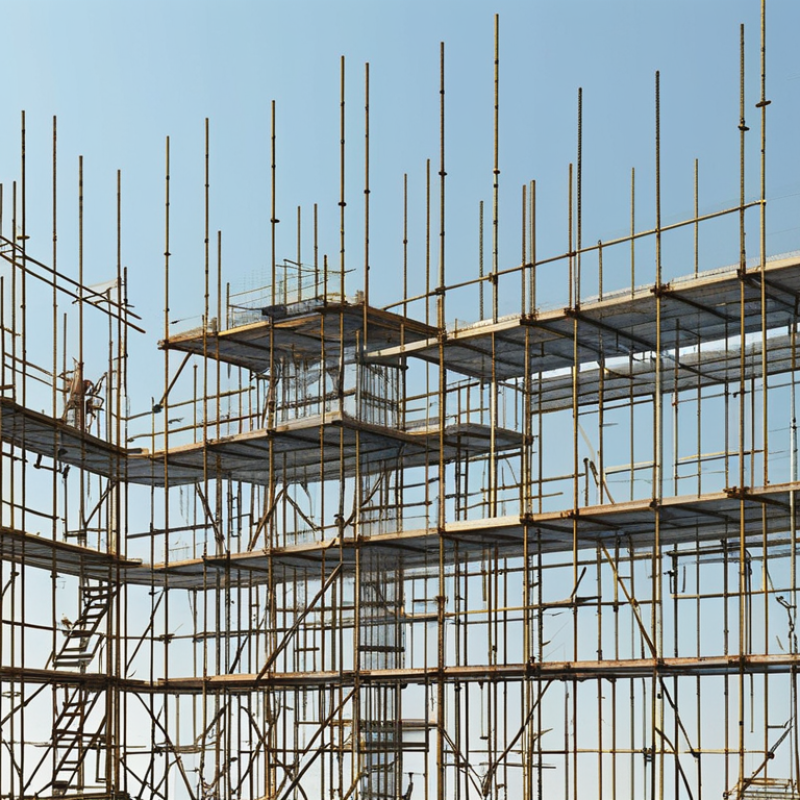
Best Materials for Scaffolding Systems What Should You Choose?

Overview of Scaffolding Systems and Their Importance

Scaffolding systems play a critical role in construction and maintenance projects. They provide a safe platform for workers to access heights. This enhances productivity and safety on-site. Proper scaffolding reduces accidents and injuries, ensuring workers can focus on their tasks.

Choosing the right scaffolding material is crucial. Various materials offer different benefits. Steel scaffolding is strong and durable. It can withstand heavy loads and harsh conditions. Aluminum scaffolding is lightweight, making it easy to transport and assemble. Wood scaffolding has a traditional appeal but may not always meet modern safety standards.

Understanding these options helps in making informed decisions. Each type has its pros and cons. Assessing the specific project requirements is essential. Consider factors like budget, site conditions, and load requirements. Often, a mix of materials might be necessary. Reflecting on these details can significantly impact overall safety and efficiency.

Common Materials Used in Scaffolding: A Comparative Analysis

Scaffolding systems are crucial for construction safety and efficiency. Choosing the right materials can greatly affect project outcomes. Common materials include steel, aluminum, and wood. Each has its own strengths and weaknesses.

Steel scaffolding is durable and can handle heavy loads, making it ideal for large-scale projects. According to a 2021 report from the Scaffold and Access Industry Association (SAIA), steel scaffolds are used in over 70% of commercial construction sites. However, they are heavy and may rust over time, requiring regular maintenance.

Aluminum scaffolding, on the other hand, is lightweight and easy to transport. It reduces labor costs due to its ease of setup. A 2020 analysis from the American National Standards Institute (ANSI) found that aluminum is preferred in 60% of residential projects. Yet, it may not support as much weight as steel and can be costly.

Wood is an economical option but can be less stable and more susceptible to environmental damage. Understanding these materials' properties can significantly impact project safety and effectiveness.

Steel vs. Aluminum: Choosing the Right Material for Your Project

When choosing between steel and aluminum for scaffolding systems, it's essential to evaluate your project's needs. Steel is known for its strength and durability. It can handle heavy loads, making it suitable for larger construction sites. On the downside, steel is heavier, which can complicate transport and assembly. Workers must often take extra precautions to ensure safety during these processes.

On the other hand, aluminum scaffolding offers significant advantages in terms of weight. It is lightweight and easy to maneuver, allowing for faster setup and takedown. This can boost productivity on smaller projects or in tight spaces. However, aluminum may not support as heavy a load as steel. This limitation means careful consideration of the workload is necessary.

Both materials present unique challenges. Steel's corrosion resistance requires galvanizing or other treatments, while aluminum becomes vulnerable to scratches that weaken its structure. Understanding the specific demands of your project is crucial to making an informed choice. Choosing the wrong material can lead to safety hazards or project delays. Prioritizing your requirements and reviewing real-world applications can aid in making the best decision.

Best Materials for Scaffolding Systems: Steel vs. Aluminum

Material Weight (lbs/ft) Load Capacity (lbs) Corrosion Resistance Cost ($/ft) Common Applications
Steel 20 5000 Moderate 2.50 Industrial Projects
Aluminum 10 3000 High 3.50 Residential Projects

Durability and Weight Considerations in Scaffolding Materials

When choosing scaffolding materials, durability and weight are critical factors. Metals like aluminum are lightweight and strong. They allow for easy transportation and setup. However, they can be susceptible to corrosion over time. Steel, on the other hand, offers high strength and resilience. Yet, its heavier weight can pose challenges in handling.

Consider the environment where the scaffolding will be used. Coastal areas with salty air can degrade aluminum sooner than expected. For heavy-duty construction, steel might be the better choice despite its weight. Understanding the intended use can guide decision-making. Materials must balance strength and ease of use, impacting worker safety.

Lastly, there's often a trade-off between weight and durability. A lighter scaffold might be less stable, while a heavier option could require more labor. This is an important consideration for long-term projects. Evaluating the specific needs of each project helps determine the best materials. Reflecting on these factors can lead to better choices in scaffolding systems.

Durability and Weight Comparison of Scaffolding Materials

Cost-Benefit Analysis of Various Scaffolding Materials

When choosing scaffolding materials, a cost-benefit analysis is crucial. Various materials can significantly affect your project’s budget and safety. Steel, for example, offers strength and durability, but can be more expensive than aluminum. Aluminum scaffolding is lightweight and easy to assemble. However, it may not be ideal for all situations, especially heavy-duty projects.

Consider the project scale when selecting materials. If you're working on a residential building, a combination of aluminum for ease and wood for temporary support may suffice. Keep in mind that cheaper options might lead to frequent repairs. Use reliable resources to gauge the lifetime of materials to avoid unexpected costs.

Tips: Always check load ratings. Ensure your scaffolding can support the required weight. Regular inspections can prevent accidents. Invest in training for workers to ensure proper setup and dismantling. Trustworthy suppliers offer guidance on material choices. Their expertise can help you avoid pitfalls in material selection.

FAQS

: Why are scaffolding systems important in construction?

: They provide safe platforms for workers to access heights, enhancing productivity and safety.

What are the common materials used in scaffolding?

Common materials include steel, aluminum, and wood, each with different strengths and weaknesses.

What are the benefits of steel scaffolding?

Steel scaffolding is strong, durable, and ideal for heavy loads. However, it can rust and requires maintenance.

Why is aluminum scaffolding favored for some projects?

Aluminum scaffolding is lightweight and easy to transport, reducing labor costs and setup time.

What is a downside of wood scaffolding?

Wood scaffolding can be less stable and more susceptible to environmental damage, despite being economical.

How can choosing the right scaffolding affect a project?

The right material choice can impact safety, efficiency, and overall project outcomes significantly.

Is it advisable to mix scaffolding materials?

Yes, often a mix of materials is necessary based on specific project requirements and conditions.

How should budget impact scaffolding material choice?

Budget considerations are crucial; more economical materials may compromise safety and stability.

What factors should be considered when selecting scaffolding?

Consider budget, site conditions, load requirements, and safety standards for effective choice.

What reflects the need for regular maintenance in scaffolding?

Steel rust and aluminum wear over time, indicating the importance of maintenance for safety.

Conclusion

When considering what materials are best for scaffolding systems, it's essential to evaluate the various options available, their strengths, and their suitability for specific projects. The overview of scaffolding systems highlights their critical role in construction and maintenance tasks, providing essential support and ensuring worker safety. Common materials used in scaffolding include steel and aluminum, both of which have distinct advantages and disadvantages.

A comparative analysis of these materials emphasizes steel's superior durability and weight-bearing capacity, while aluminum is favored for its lightweight properties, making it easier to transport and set up. Additionally, understanding durability and weight considerations is crucial in selecting the right material for different environments and project requirements. A thorough cost-benefit analysis further aids in making informed decisions, ensuring that the selected scaffolding material meets both budgetary constraints and performance expectations.

Sienna

Sienna

Sienna is a skilled marketing professional with a deep expertise in our company’s core products and services. With a passion for innovation and detail, she plays a pivotal role in crafting insightful blog posts that not only highlight the unique features of our offerings but also provide valuable......