What Is the Best Scaffold System for Your Project?

Time:2026-10-20 Author:Ethan
0%

Choosing a scaffold is not simply a matter of selecting the tallest or cheapest system. It affects worker access, material movement, installation time, and daily safety control. A façade project may benefit from frame scaffolding, while a congested industrial site may require modular scaffolding with adjustable connections. A narrow courtyard creates different problems again.

Understanding how to choose between different scaffold systems begins with the work itself. Measure the building height, working loads, ground conditions, access points, and expected project duration. Then consider whether the system can be erected, inspected, altered, and dismantled efficiently. On a real site, a few misplaced standards can block a delivery route. Uneven ground can also turn a convenient design into a serious maintenance problem.

Scaffolding safety consultant Dave Waters offers a practical reminder: “The safest scaffold is the one that matches the work, the site, and the people using it.” That principle deserves attention. Product brochures rarely show muddy ground, changing weather, or a crew carrying heavy materials through a tight passage.

There is no perfect system.

A reliable decision also includes competent design review, manufacturer guidance, inspection procedures, and clear communication with workers. Cost matters, but it should not dominate the decision. A cheaper system may demand more labor, more adjustments, and more supervision. In some cases, I would reconsider an initial choice after observing the first installation. Real site experience can expose assumptions that drawings conceal. This guide examines the main scaffold options and explains how project conditions should shape the final selection.
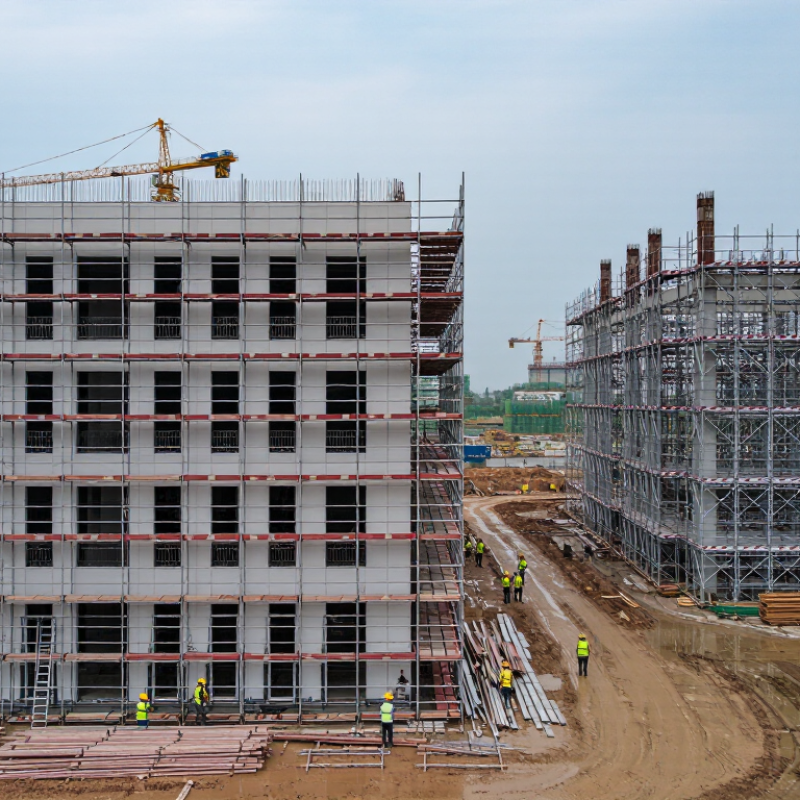
What Is the Best Scaffold System for Your Project?

Scaffold Systems: Definition, Purpose, and Main Categories

What Is the Best Scaffold System for Your Project?

A scaffold system is a temporary structure that gives workers safe access and stable working platforms. It supports people, tools, and selected materials during construction, repair, or maintenance. Its purpose extends beyond height. A properly planned scaffold controls movement, reduces fall exposure, and keeps work areas organized.

In practice, the right choice depends on building height, ground conditions, load requirements, access needs, and project duration. Measure twice.

The Main Scaffold System Categories

The main categories include:

Tube-and-fitting scaffolds offer flexibility around unusual shapes and crowded sites.

Frame scaffolds are practical for repeated wall sections and faster assembly.

Modular system scaffolds use connected components, which can improve consistency on larger projects.

Mobile towers suit short tasks on level surfaces, while suspended scaffolds serve elevated façade work where ground access is limited.

Key Selection and Safety Considerations

Experienced site teams assess more than price. They check platform width, guardrails, bracing, base support, access points, and maximum working loads.

A qualified person should review the design, erection, and inspection process according to local requirements and written technical guidance. Small errors matter.

A soft patch of ground, a missing brace, or overloaded platform can change the risk quickly. I have seen project plans underestimate material movement, forcing awkward adjustments later. That weakness deserves honest review before installation.

Weather, nearby traffic, and changing work phases also influence the final selection. Safety records and inspection findings should guide revisions throughout the project.

Key Project Factors for Selecting a Scaffold System

Selecting the best scaffold system starts with project conditions, not a catalogue image. OSHA estimates that about 2.3 million construction workers use scaffolds annually. Its safety guidance also reports roughly 4,500 scaffold-related injuries and 50 deaths each year. These figures show why height, load, access, and inspection deserve equal attention. A scaffold carrying masonry needs different capacity from one supporting painters and lightweight tools.

Measure the working height, platform width, ground condition, and project duration. Consider wind exposure, uneven surfaces, overhead services, and material movement. EN 12811-1 recommends performance-based design for temporary works, including strength, serviceability, and stability. A fixed system may suit long, repetitive work on a stable façade. A mobile tower may improve efficiency for short interior tasks, but wheels require level surfaces and reliable locking. That assumption often gets missed. A neat plan can still fail on wet ground.

Tips: Match the system to the real load. Ask a competent person to verify design calculations, tie patterns, guardrails, access, and inspection intervals. Keep manufacturer instructions and site records available.

The U.S. Bureau of Labor Statistics recorded 1,069 construction deaths in 2022, with 395 involving falls, slips, trips, or related incidents. The number is sobering. Before hiring equipment, walk the site with the installer and challenge optimistic assumptions about weather, schedule, and worker movement. Small access delays can encourage unsafe improvisation. A practical trial setup may reveal problems that drawings do not.

Comparing Safety, Stability, Access, and Load Capacity

What Is the Best Scaffold System for Your Project?

Comparing Safety, Stability, Access, and Load Capacity

The best scaffold system depends on the work, building geometry, and expected loading. Safety must remain measurable, not assumed. OSHA reports that about 2.3 million workers use scaffolds each year. Scaffold-related incidents still cause approximately 4,500 injuries and 50 deaths annually, according to its scaffold safety data.

Access design affects daily risk. A properly positioned stair tower reduces climbing fatigue and keeps tools away from access routes. Platforms should provide enough width for workers, materials, and controlled movement. In the United Kingdom, the HSE recorded 50 fatal falls from height during 2023/24. That figure shows why guardrails, toe boards, and secure access deserve constant inspection.

Stability depends on firm foundations, correct bracing, and suitable ties to the structure. Uneven ground can create movement that is difficult to notice from the platform.

Load capacity requires equal care. OSHA requires supported scaffolds to hold their own weight plus at least four times the maximum intended load. This includes workers, boards, tools, and stored materials.

A competent person should inspect the scaffold before each work shift, as required by OSHA 29 CFR 1926.451. Site teams sometimes estimate loads by experience, but that habit is unreliable. A simple load schedule and visible inspection record are safer choices.

Matching Scaffold Types to Building Tasks and Site Conditions

Choosing the best scaffold system starts with the building task, not the equipment catalog. A frame scaffold suits repetitive façade work on level ground. It assembles quickly and provides broad working platforms. For irregular structures, a modular system offers more adaptable connections. Tube-and-fitting scaffolding can solve awkward corners, sloped surfaces, and changing elevations. It demands more planning and skilled assembly.

Site conditions can change the decision. Soft soil needs stable base plates, suitable sole boards, and careful load distribution. Narrow streets may favor a compact system with controlled access. Strong wind requires extra attention to ties, bracing, sheeting, and platform loading. Wet or icy surfaces also increase slipping risks. Keep platforms clear.

The work itself sets the load requirements. Bricklaying needs stronger platforms than light painting. Material hoists, debris screens, and public walkways add further design considerations. A competent person should review the scaffold design, access points, ground conditions, and local safety requirements. Daily inspections matter, especially after storms or alterations. Small errors become expensive quickly. I have seen teams choose speed over fit, then lose hours correcting unstable layouts. That trade-off deserves honest review. A practical system is not always the cheapest or fastest; it is the one that supports the task without forcing unsafe improvisation.

Planning, Installing, Inspecting, and Adjusting the Selected System

What Is the Best Scaffold System for Your Project?

Selecting a scaffold system is only the beginning. Planning must match the building height, ground condition, access route, weather, and expected load. OSHA estimates that scaffold accidents cause about 4,500 injuries and 50 deaths annually in the United States. That figure makes early planning more than paperwork. A competent person should review drawings, load calculations, tie patterns, fall protection, and emergency access. Keep the plan practical. A perfect drawing cannot correct a weak foundation.

Installation requires disciplined sequencing. Check sole boards, base plates, standards, ledgers, braces, platforms, guardrails, and access points as the structure rises. Keep components level and fully connected. Never improvise with damaged parts. The UK Health and Safety Executive reports that falls from height remain a leading cause of fatal workplace injuries. Clear communication matters when several trades share one platform. Small misunderstandings become serious quickly.

Inspection should occur before each work shift and after events that may affect stability, including strong wind, impact, or unauthorized alteration. Record the inspector, time, findings, and corrective action. Watch for settlement, missing pins, loose ties, slippery boards, and excessive materials. Adjust the system when the project changes. A new façade opening or heavier equipment can alter the original design. Stop work when conditions are uncertain. That pause may feel inefficient. It is still cheaper than repairing a preventable failure. OSHA 29 CFR 1926.451 and HSE Work at Height guidance provide useful benchmarks, but local requirements and site conditions must control the final decision.

FAQS

How should I choose a scaffold system for a construction project?

Start with the work, building shape, ground, height, and project duration. A frame system suits repetitive façade work on level ground. A modular system adapts better to irregular structures. Tube-and-fitting systems handle awkward corners and changing elevations. The fastest option may not fit.

What information should be measured before selecting scaffolding?

Measure working height, platform width, ground condition, and access routes. Record wind exposure, overhead services, material movement, and expected loading. Check whether workers need stairs, hoists, or public protection. Small measurements prevent large corrections.

How do ground conditions affect scaffold stability?

Soft or uneven ground can cause movement and uneven loading. Use suitable base plates and sole boards where necessary. Wet or icy surfaces increase slipping risks. Wet ground changes everything. Do not trust a neat layout without checking the soil.

What scaffold system works best for short indoor tasks?

A mobile tower can improve efficiency for short interior work. Its wheels need a level surface and reliable locking. Move it only as directed by a competent person. Never assume locked wheels solve every stability problem.

How much load should a scaffold support?

Include workers, platforms, tools, boards, and stored materials in the load estimate. A common safety requirement requires supported scaffolds to carry their weight plus four times the intended load. Bricklaying usually needs more capacity than light painting. Use a visible load schedule. Guesswork is not enough.

What access features should a scaffold include?

Provide secure access that matches worker movement and material handling. A properly positioned stair tower can reduce climbing fatigue. Keep tools away from access routes. Guardrails and toe boards help control fall and falling-object risks. Keep platforms clear.

How often should scaffolding be inspected?

A competent person should inspect it before each work shift. Inspect again after storms, alterations, impacts, or other unusual events. Check ties, bracing, platforms, guardrails, access, and foundations. Keep inspection records available on site. Records expose forgotten assumptions.

What practical checks can reveal design problems?

Walk the site with the installer before hiring equipment. Challenge assumptions about weather, schedules, worker movement, and material storage. A trial setup may reveal access delays or unstable layouts. Those delays can encourage unsafe improvisation. Review the plan honestly.

Conclusion

Choosing the best scaffold system for a project begins with understanding its purpose, structure, and main categories, including supported, suspended, mobile, and modular options. The right choice depends on project height, building design, work duration, site access, ground conditions, weather exposure, crew requirements, and budget. A careful evaluation should compare safety features, stability, platform access, mobility, and load capacity to ensure the system can support workers, tools, and materials without creating unnecessary risks.

To determine how to choose between different scaffold systems, match the system to the specific building task and site conditions. Consider whether the work involves construction, maintenance, repair, or finishing, and select a configuration that supports efficient movement and reliable access. Proper planning should include layout design, safe installation, regular inspections, and adjustments as the project changes. With ongoing supervision and maintenance, the selected scaffold system can improve productivity while supporting a safer and more organized work environment.

Ethan

Ethan

Ethan is a seasoned marketing professional with a deep expertise in our company's innovative product line. With a passion for sharing knowledge and insights, he takes the lead in regularly updating our corporate blog, where he explores industry trends, product features, and effective marketing......