Reducing construction costs in China requires more than choosing the lowest quotation. It demands disciplined planning, reliable data, and practical control from concept to handover. This guide explores how to reduce construction costs effectively without weakening structural safety, material quality, or legal compliance. It reflects common lessons from residential, commercial, and industrial projects across China, where labor rates, transport distances, regional suppliers, and approval requirements can differ sharply.
The ten methods cover accurate budgeting, early value engineering, efficient design, local procurement, competitive tendering, and careful contract management. They also examine BIM coordination, waste reduction, labor productivity, schedule control, and quality inspections. For example, replacing repeated design changes with a coordinated BIM review can prevent rework on pipes, ceilings, and electrical routes. Buying suitable local materials may reduce delivery costs, but supplier reliability must be verified through samples, certifications, and site testing. Small choices matter.
Not every saving improves value.
Experienced project managers know that aggressive cost cutting can create expensive defects later. A delayed waterproofing repair may cost far more than its original installation. A cheaper subcontractor may also bring weak supervision or unstable labor. Therefore, each recommendation should be tested against safety, durability, performance, and applicable Chinese standards. Some projects will need different priorities. That is normal. Cost control is not a perfect formula; it is a continuous process of measuring assumptions, correcting mistakes, and protecting the project’s long-term value.
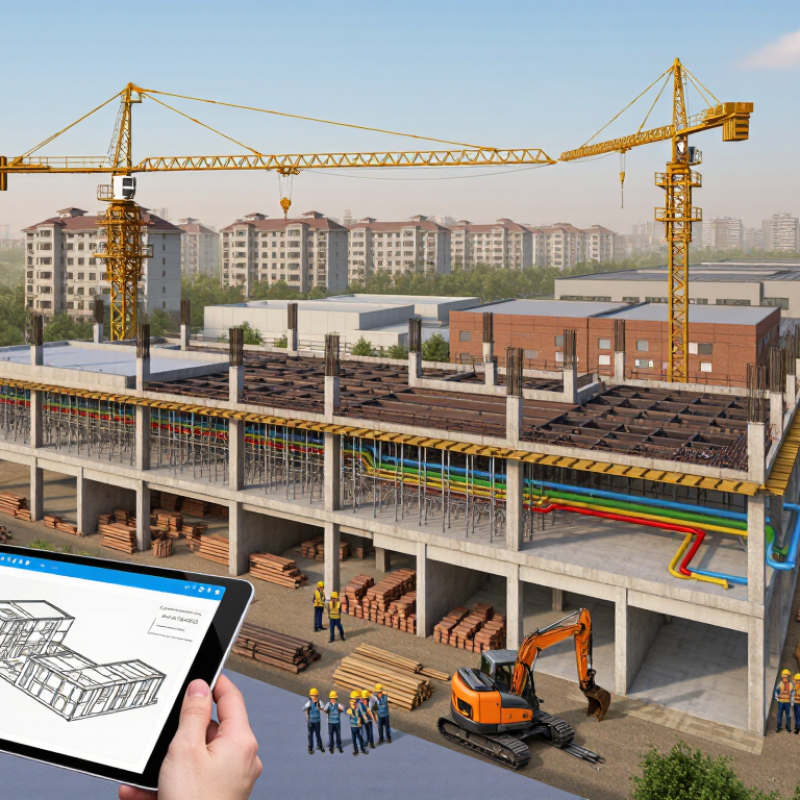
A reliable cost plan starts with a clear project scope. Define floor area, structural system, finishes, utility connections, and required handover conditions. In China, location can change costs substantially. A coastal site, inland city, or remote industrial zone may face different transport, labor, and material conditions. Record these assumptions before comparing contractor estimates. Otherwise, a lower quote may simply exclude important work.
Break the budget into measurable packages, such as earthworks, concrete, steel, mechanical systems, and interior finishes. Check local site constraints, including soil conditions, access for delivery trucks, and available power or water connections. Review recent regional price information with qualified local cost professionals, then confirm how each estimate treats taxes, temporary facilities, schedule risks, and price changes. Small omissions matter. A drainage connection or a delayed equipment delivery can disrupt the whole plan. Early estimates are never perfect; teams should revisit them as drawings and site data improve.
Tips: Create a scope checklist, request itemized quotations, and compare matching specifications—not just totals. Keep a written list of exclusions and unresolved assumptions. If a cost allowance seems unusually low, ask what evidence supports it. That question can feel awkward, but it is useful.
China’s construction cost control starts before the first truck arrives. Early design decisions shape material quantities, labor needs, and site time. McKinsey’s 2017 report, Reinventing Construction, found that global construction productivity grew about 1% annually from 1995 to 2014, far below the wider economy’s 2.8% rate. That gap points to real savings in better planning. In practice, compare structural grids, floor heights, and façade options while drawings are still flexible. A simpler grid can reduce awkward cuts and rework. Small changes matter.
Use coordinated digital models to identify clashes between beams, ducts, and pipes before crews install them. Pair this with a build sequence that matches local site access and labor skills. For repetitive elements, consider prefabrication where transport, lifting capacity, and tolerances support it. Track design revisions and quantities against the cost plan at each stage. A model is not a magic fix; poor inputs can make confident-looking errors.
Tips: Freeze key layouts early, review high-cost materials with contractors, and test one construction sequence before repeating it across the site. Keep a short record of assumptions. Some will be wrong, and that is worth noticing.
Cost control starts before the first purchase order. Specify durable, readily available materials with standard dimensions. This reduces cutting, waiting, and replacement costs. The U.S. Environmental Protection Agency reported about 600 million tons of construction and demolition debris in 2018. Poor ordering creates a large hidden bill. A practical material schedule should compare purchase price, delivery distance, installation time, maintenance, and expected service life.
Local suppliers can shorten delivery routes and improve response when quantities change. Request at least three comparable quotations, including freight, taxes, packaging, and handling. Check production capacity and quality certificates, not only the lowest price. A cheap batch that arrives late may delay several trades. That saving disappears quickly. McKinsey’s Reinventing Construction report found construction productivity grew about 1% annually over two decades, compared with 2.8% across the broader economy. Better procurement and fewer disruptions can help narrow that gap.
However, local does not always mean cheaper. Regional shortages may raise prices, while distant suppliers may offer stronger volume discounts. I would test both options using a delivered-cost worksheet. Include one realistic contingency for price changes. My own review would also challenge the first estimate, because early quantities are often too optimistic. Small mistakes matter. A ten percent over-order on tiles, pipes, or concrete accessories can quietly become a major cost. Select substitutes only after checking compatibility, performance, and local building requirements.
Construction costs often rise before work reaches the site. A late delivery, vague scope, or idle crew can turn a small estimate gap into a daily expense. McKinsey Global Institute’s 2017 report found construction labor productivity had grown about 1% annually over two decades. That figure makes procurement and workforce planning practical cost controls, not paperwork.
Start with a package-by-package procurement plan. Compare suppliers on total delivered cost, lead time, quality, and replacement risk—not unit price alone. Confirm quantities against current drawings, then track high-use items such as rebar, concrete, and cable with weekly delivery logs. For major purchases, request comparable quotations and document why the selected offer fits the schedule. It takes time. But rushed buying can create costly substitutions.
Contracts should define scope boundaries, change approval steps, payment milestones, and responsibility for delays. Keep clauses readable, and review them with qualified project and legal professionals. On site, match crew size to the next two weeks of tasks; record planned versus actual hours each shift. The U.S. Bureau of Labor Statistics’ productivity measures show why output per labor hour matters, though they cannot explain every project’s conditions. Weather, access, and rework still interfere. A weekly review can reveal whether labor is waiting for materials or unclear instructions. One honest weakness: estimates often assume perfect coordination. They rarely get it.
Illustrative planning model: estimated savings for a hypothetical project with a baseline budget of ¥10 million. Each percentage is measured against the original budget; savings are not additive and actual results vary by project.
Estimated savings are planning assumptions, not verified industry averages or guaranteed outcomes. Validate estimates using project-specific bids, contracts, schedules, and labor data.
Construction costs are easier to control when quality, schedule, and site waste are managed together. A low bid can become expensive if poor workmanship leads to rework. Set clear inspection points for foundations, reinforcement, waterproofing, and finishes. Record defects with photos, locations, and assigned repair dates. For example, checking reinforcement before a concrete pour can prevent costly removal later. Small checks matter.
Keep a short-interval schedule that shows upcoming tasks, required materials, and responsible crews. Review it with site supervisors each week, then address delays before they affect following trades. A delivery arriving too early may block access or expose materials to damage. Track quantities issued and installed, especially for concrete, tiles, pipes, and cable. Separate reusable offcuts from mixed waste, and store them in marked areas near work zones. This takes discipline. It may not work perfectly on a crowded site, so review what is actually being discarded and adjust storage or ordering. Cost control improves when workers can report problems early without hiding mistakes.
Compare total delivered cost, lead time, quality, and replacement risk. Check quantities against current drawings. Unit price alone can mislead.
Track high-use items such as rebar, concrete, and cable with weekly delivery logs. Small shortages can stall a crew.
Set scope boundaries, change approvals, payment milestones, and responsibility for delays. Keep the wording readable. Ambiguity still happens.
Match crew size to tasks scheduled over the next two weeks. Record planned and actual hours each shift. Review the gap.
Check whether workers are waiting for materials or clear instructions. Weather, access, and rework can also disrupt output.
Inspect foundations, reinforcement, waterproofing, and finishes. Photograph defects, note their locations, and assign repair dates. Check before the concrete pour.
Review upcoming tasks, needed materials, and responsible crews with supervisors each week. An early delivery may block access.
Track quantities issued and installed. Store reusable offcuts separately from mixed waste, then review what gets discarded. Crowded sites make this harder.
Reducing building expenses in China starts with a clear understanding of the project’s scope, site conditions, local requirements, and major cost drivers. Careful planning helps teams identify budget risks early and focus spending where it adds value. Design choices and construction methods can then be refined to avoid unnecessary complexity, reduce rework, and make better use of space, materials, and labor.
A practical approach to how to reduce construction costs effectively also includes comparing suitable materials from local suppliers, planning procurement to limit delays, and setting clear contract responsibilities. Coordinating labor and equipment efficiently can help keep work on schedule, while consistent quality checks prevent defects from becoming expensive repairs. On-site waste control and timely progress reviews further support cost discipline. Together, these measures can improve budget predictability without compromising safety, durability, or the intended performance of the finished project.

Shubrixa Build