In the construction industry, choosing the right scaffolding solution can significantly impact project efficiency and safety. A modular scaffolding system is becoming increasingly popular due to its adaptability and ease of use. According to a recent report by the Construction Industry Institute, projects using modular scaffolding systems saw a 30% reduction in assembly time compared to traditional methods.
So, what is a modular scaffolding system? John Smith, a leading expert from the Scaffold and Access Industry Association, states, “A modular scaffolding system allows for greater flexibility and speed in construction.” This adaptability allows contractors to quickly adjust to changing site conditions. Modular systems are designed to accommodate various building shapes and slopes, making them suitable for diverse projects.
However, it's important to acknowledge that not all modular systems are created equal. Variability in quality can affect performance and safety. Investing time into selecting the right modular scaffold is crucial. The benefits can be significant, but understanding the nuances of these systems is essential for informed decision-making. Balancing innovation with reliability is key for successful project outcomes.
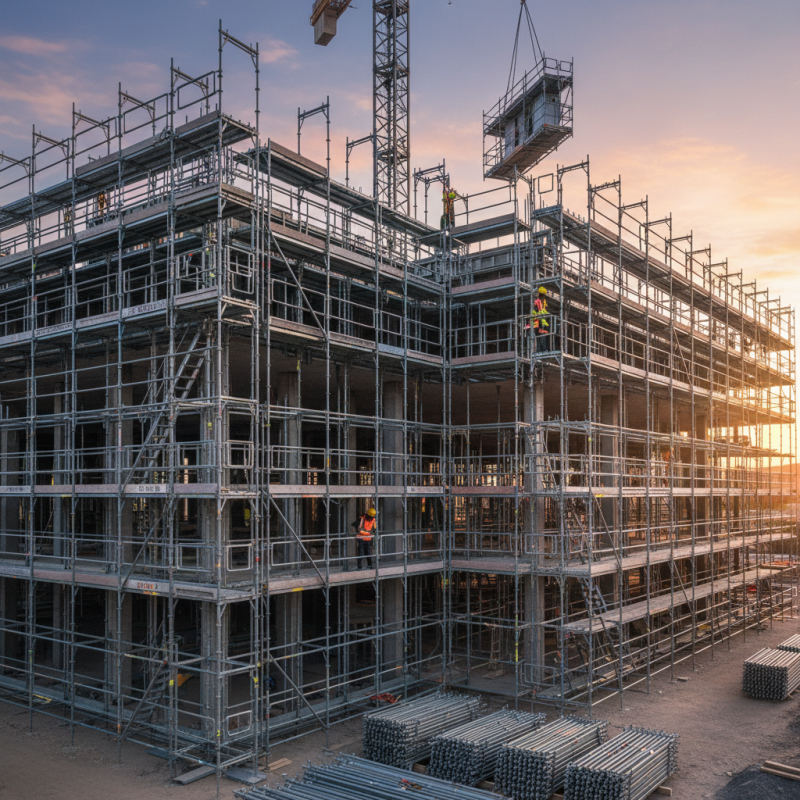
Modular scaffolding systems offer a range of benefits for construction projects. They are designed for efficiency and adaptability. These systems can be quickly assembled and disassembled, saving valuable time on site. This speed is crucial, especially in tight project timelines. Furthermore, modular scaffolding can be easily adapted to different building shapes and heights, providing versatility for various construction needs.
Safety is another significant factor. A well-designed modular system ensures stability and minimizes risks for workers. Regular inspections and maintenance can enhance reliability. Workers can focus on their tasks without worrying about scaffolding issues. However, proper training is essential. Misuse or improper assembly can lead to accidents. Addressing these concerns through training and best practices is vital.
Cost-effectiveness also plays a role. Investing in modular scaffolding can reduce labor costs in the long run. Fewer materials and quick setup lead to lower expenses. Yet, it's important to evaluate the initial investment. Some projects may find traditional scaffolding cheaper upfront. This analysis requires careful consideration of the project's specific requirements and goals.
Modular scaffolding systems have become increasingly popular in the construction industry. Unlike traditional scaffolding, which relies on a fixed structure, modular scaffolding offers flexibility and adaptability. These systems allow for quick assembly and disassembly, making them ideal for projects with tight deadlines. Workers can easily create platforms tailored to the specific needs of the project.
On the other hand, traditional scaffolding often requires more time and labor resources to set up. It can be cumbersome and rigid, leading to inefficiencies. In comparison, the modular approach reduces the risk of errors during installation. However, one must consider the initial investment. Modular systems can be more expensive upfront, which may not suit every budget.
In terms of safety, both systems have their strengths and weaknesses. Modular scaffolding can be safer due to its more advanced design. Yet, it requires proper training for workers to maximize its benefits. In contrast, traditional scaffolding can be familiar to some crews, but may lack modern safety features. This choice demands careful reflection on the team’s skills and project requirements.
When selecting a modular scaffolding system, certain features stand out. Stability is crucial. A well-designed modular system should distribute weight evenly, reducing the risk of collapse. Check the materials used. High-quality steel or aluminum enhances durability and resistance to wear and tear. Modular systems should also accommodate various construction needs, making them versatile for different projects.
Consider the ease of assembly and disassembly. A system that can be quickly set up saves time and labor costs. Look for lightweight components, which can be handled easily without heavy machinery. Moreover, safety features are essential. Handrails, toe boards, and locking mechanisms prevent accidents and ensure worker safety on site.
Adaptability is another key aspect. A good modular scaffolding system should be configurable to fit various structures. This flexibility allows for tailored solutions on unique job sites. However, not all products offer the same level of adaptability. Research and evaluate options carefully. Additionally, ensure compliance with local regulations. This is fundamental, as overlooking this could jeopardize project safety and legal standing.
Modular scaffolding systems are gaining traction for their significant safety enhancements. According to the Occupational Safety and Health Administration (OSHA), falls are the leading cause of construction-related injuries. Proper scaffolding can reduce these risks. Modular systems provide stable platforms constructed with durable materials. This reliability ensures workers are less likely to experience accidents or serious injuries.
One study published in the Journal of Construction Safety highlights that projects using modular scaffolding reported a 30% decrease in fall-related incidents. This might be attributed to the improved design of modular systems. They offer adjustable height options and easy assembly, which leads to less worker confusion. Yet, despite these advantages, not all crews utilize proper training. This can diminish the benefits of the safety features inherent in modular designs.
Furthermore, while modular scaffolding components can be assembled quickly, their effectiveness relies heavily on correct installation. A misaligned scaffold can still lead to hazardous situations. Companies must emphasize training and regular safety audits to maximize the benefits of modular systems. The data suggests a comprehensive approach is needed to ensure workplace safety.
| Feature | Safety Enhancement | Benefit |
|---|---|---|
| Modular Design | Customizable configurations | Fits various project requirements |
| Quick Assembly | Reduced assembly time | Lower labor costs |
| Aluminum Components | Lightweight material | Easier handling and transport |
| Enhanced Stability | Wider bases and braces | Increased safety for workers |
| Integrated Safety Features | Built-in guardrails and toe boards | Minimizes fall hazards |
| Versatility | Suitable for various applications | Utilized in diverse construction environments |
Modular scaffolding systems offer remarkable cost-effectiveness for construction projects. A recent industry report shows that these systems can reduce labor costs by up to 30%. This significant savings arises from their ease of assembly and disassembly. Workers spend less time setting up, leading to faster project completion. The efficiency of modular systems can minimize downtime, which is crucial for project timelines.
Additionally, modular scaffolding generates less material waste compared to traditional methods. Research indicates that using modular solutions can lead to a 20% reduction in waste materials. This not only cuts costs but also supports sustainability efforts within the construction industry. However, it's essential to ensure proper training for workers to maximize these benefits and avoid potential safety issues.
While modular scaffolding systems present many advantages, some challenges remain. Initial setup costs can be higher than traditional scaffolding. Projects with unique site requirements may need custom solutions, complicating cost estimates. It’s important to assess long-term savings against these initial expenses. Overall, the balanced approach can lead to smarter financial decisions in construction.
: Modular scaffolding systems provide efficiency, adaptability, safety, and cost-effectiveness for construction projects.
They can be quickly assembled and disassembled, allowing for faster project timelines on site.
A well-designed system ensures stability and requires regular inspections to minimize risks for workers.
Proper training prevents misuse and improper assembly, which could lead to accidents and injuries.
Yes, they can reduce labor costs significantly and minimize material waste, supporting overall project budgets.
Initial setup costs may be higher, and unique site needs could complicate cost estimates for projects.
Labor costs can decrease by up to 30%, thanks to their ease of assembly and efficient setup.
Yes, they can lead to a 20% reduction in material waste, supporting eco-friendly construction efforts.
Projects need to evaluate long-term savings against the potentially higher initial costs of modular systems.
Yes, modular scaffolding can be tailored to different shapes and heights, enhancing their versatility.
A modular scaffolding system, as the name suggests, consists of pre-engineered components that can be easily assembled and disassembled to create versatile structures for construction projects. The benefits of modular scaffolding include enhanced safety features, improved efficiency, and cost-effectiveness, making it a popular choice among contractors. Unlike traditional scaffolding systems, modular designs offer greater flexibility and adaptability, allowing them to be tailored to various project requirements.
When considering what is a modular scaffolding system, it’s essential to evaluate key features such as its load capacity, ease of assembly, and durability. These systems not only expedite the construction process but also significantly reduce labor costs and construction time. By opting for modular scaffolding solutions, project managers can ensure a safer work environment while maximizing their investment, ultimately leading to successful outcomes in construction projects.

Shubrixa Build