How to Choose the Right Scaffolding for Your Construction Project?

Time:2026-05-01 Author:Isabella
0%

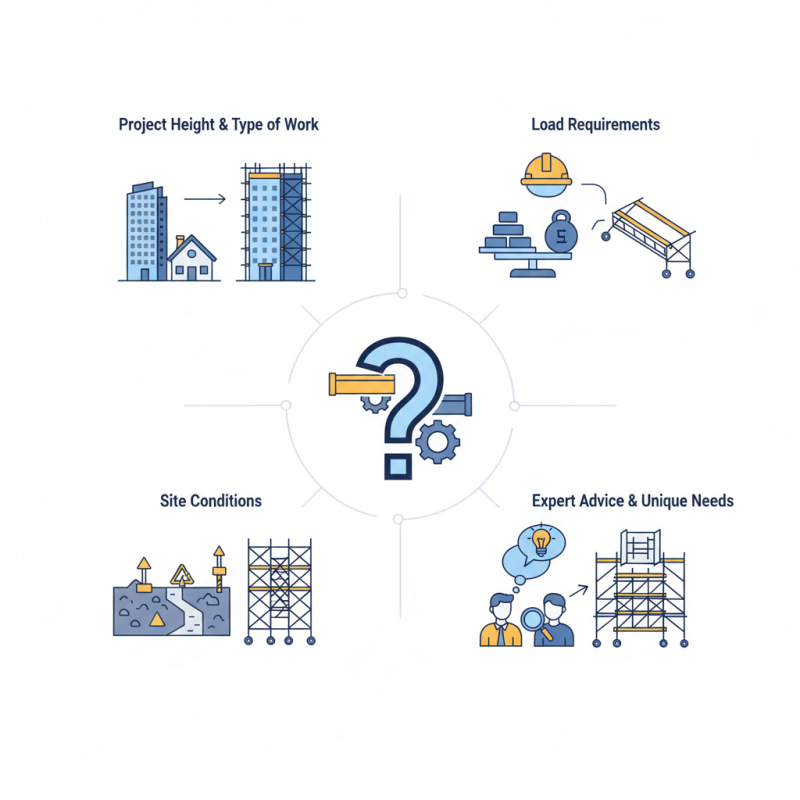
Choosing scaffolding for a construction project is crucial. The right choice affects safety, efficiency, and cost. It's overwhelming with various options available. Understanding how to choose the right scaffolding for a project involves key factors like project height, type of work, and duration.

Consider the specific needs of your site. For instance, a residential project may need different scaffolding than a commercial one. Analyze the load requirements carefully. Using inadequate scaffolding could lead to accidents or delays. Site conditions also play a significant role. Uneven ground or tight spaces can limit your options.

Seek expert advice when necessary. Professional insights can guide your selection process. However, not all recommendations will suit your situation. Reflect on your unique needs and challenges. A personal touch can lead to better outcomes. Aim to understand the nuances involved to make informed choices.
How to Choose the Right Scaffolding for Your Construction Project?

Understanding Different Types of Scaffolding Available for Construction

When selecting scaffolding for a construction project, understanding the available types is crucial. There are several popular types: frame scaffolding, modular scaffolding, and system scaffolding. Frame scaffolding consists of pre-fabricated frames and is easy to assemble. It's ideal for small to medium projects, providing stability and access.

Modular scaffolding is versatile and can be customized to fit unique project needs. It is more complex but offers flexibility in challenging layouts. This type requires more planning and can lead to mistakes if not properly set up.

System scaffolding, on the other hand, is suitable for large construction sites. It holds heavy loads, but it demands a higher level of skill for assembly and disassembly.

Choosing the right scaffolding goes beyond understanding types. Consider your project size, environment, and safety regulations. Mistakes in selection can lead to construction delays or safety hazards. There’s no one-size-fits-all solution. Each project presents unique challenges that may require reflection and adjustment in scaffolding choices.

Factors to Consider When Selecting Scaffolding for Your Project

Choosing the right scaffolding for a construction project requires careful consideration of various factors. Begin with assessing the specific requirements of your project. Is it for high-rise buildings or smaller renovations? The height and weight capacity are crucial here. Opt for scaffolding that can safely support the materials and workers without risking structural integrity.

Next, consider the type of scaffolding. Different styles suit specific tasks. This includes frame scaffolding, which is versatile, and suspended scaffolding, which works well for tall structures. Evaluate the working environment too. Is the job site stable and dry? Or does it face challenges like uneven ground or inclement weather? Safety features play a vital role. Look for sturdy connections and reliable guardrails. Would these meet safety standards?

Understand that no choice is perfect. Mistakes can happen. You may find that the scaffolding you selected does not suit new project demands halfway through. This requires flexibility and a willingness to adapt. Often, returning to reassess your needs mid-project can help avoid safety hazards. Prioritize ongoing training for workers on scaffolding usage. It’s not just about choosing well; it’s about using it correctly.

Scaffolding Type Selection for Construction Projects

Assessing Load Requirements and Safety Standards for Scaffolding

Selecting the right scaffolding for your construction project requires careful consideration of load requirements and safety standards. Understanding the weight that scaffolding must support is crucial. This includes not only the workers using it but also materials and equipment. Each scaffold type has a load limit. Overloading can lead to catastrophic failures, resulting in serious injuries.

Safety standards are non-negotiable. Regulations often dictate minimum load capacities, construction materials, and inspection frequencies. Scaffolding must be designed and erected by qualified personnel. Regular inspections are essential to ensure that each component is in good condition. Ignoring these standards can compromise worker safety and lead to project delays due to accidents.

Reflecting on previous projects can offer valuable insights. Maybe a specific scaffolding type worked well while others did not. Learning from those experiences helps refine future decisions. It’s a continuous process of evaluation, considering both successes and failures to achieve optimal safety and efficiency.

Evaluating the Site Conditions and Accessibility for Scaffolding Use

Evaluating site conditions is critical for scaffolding selection. Assessing the ground stability ensures safety for workers. Unstable ground can lead to accidents. It's essential to check for underground utilities before installation. This preliminary step avoids potential hazards during construction.

Accessibility also plays a significant role. Is the site easily reachable for delivery trucks? Consider narrow streets or limited entry points. The scaffolding needs to fit properly into the site’s constraints. Poor accessibility can delay project timelines. Clearing paths may be necessary, which can often be overlooked.

Reflect on the weather conditions as well. Windy sites can impact stability. Regularly monitor forecasts to adjust plans accordingly. Environmental factors can change site dynamics. Each of these assessments contributes to overall scaffold performance. Overlooking them can lead to costly mistakes and safety risks.

Cost-Effectiveness and Rental Options for Scaffolding Solutions

Choosing the right scaffolding for your construction project involves thorough cost considerations. According to a report by the Construction Industry Institute, scaffolding accounts for approximately 25% of total project costs. Rental options can significantly alleviate upfront expenses. Short-term projects benefit from rental, as companies avoid the high costs of purchasing equipment.

However, rental agreements come with their nuances. Rental fees can vary based on duration and scaffold type. Many contractors overlook hidden costs in rentals, such as setup and dismantling. A detailed breakdown of expected expenses is crucial for keeping the budget in check. Reports suggest that clear communication with rental companies can lead to better pricing structures.

It's important to weigh the pros and cons of rental versus purchase. A long-term project might justify buying scaffolding, while short projects often favor rentals. An analysis found that 70% of construction firms opt for rentals for projects lasting less than six months. Balancing these factors ensures a cost-effective solution while maintaining safety and efficiency on site.

How to Choose the Right Scaffolding for Your Construction Project?

Scaffolding Type Cost per Day ($) Load Capacity (lbs) Material Recommended Use
Steel Scaffolding $50 2000 Steel Heavy Construction
Aluminum Scaffolding $40 1500 Aluminum Medium-Duty Work
Wooden Scaffolding $30 1000 Wood Light Work
Modular Scaffolding $60 1800 Steel/Aluminum Versatile Use
Suspended Scaffolding $70 1200 Steel High-Rise Construction

FAQS

: What factors should I consider when selecting scaffolding?

: Assess the specific requirements of your project, including height and weight capacity for safety.

What types of scaffolding are available?

Consider frame scaffolding for versatility or suspended scaffolding for taller structures.

How does the working environment affect scaffolding choice?

A stable, dry job site is preferable. Uneven ground or bad weather can create challenges.

Why are safety features important in scaffolding?

Strong connections and reliable guardrails ensure worker safety and adherence to safety standards.

What should I do if my scaffolding choice doesn't fit project needs?

Flexibility is key. Reassess your needs mid-project to avoid safety hazards.

Are there cost-effective options for scaffolding?

Renting scaffolding can help reduce upfront costs, especially for short-term projects.

What hidden costs should I look for in rental agreements?

Setup and dismantling fees are common. A detailed expense breakdown is important.

When is it better to rent scaffolding than to buy?

Rentals are often best for projects lasting less than six months, as most firms prefer this option.

How can communication with rental companies help?

Clear communication may lead to better pricing structures and fewer unexpected costs.

Is ongoing training for workers important?

Yes, proper training ensures that scaffolding is used safely and effectively on the job site.

Conclusion

Choosing the right scaffolding for a construction project is essential for ensuring safety and efficiency on site. To effectively navigate how to choose the right scaffolding for a project, one must first understand the different types available, such as supported scaffolds, suspended scaffolds, and aerial lifts. Each type serves distinct purposes based on project requirements and site conditions.

Factors to consider include assessing the load requirements, ensuring compliance with safety standards, and evaluating site conditions for accessibility and space constraints. Additionally, cost-effectiveness and rental options play a significant role in decision-making. By carefully analyzing these elements, construction professionals can select the most suitable scaffolding solution that meets their project's specific needs while maximizing safety and budget efficiency.

Isabella

Isabella

Isabella is a dedicated marketing professional with a sharp focus on driving brand growth and engagement through strategic content creation. With an extensive background in digital marketing, she combines her passion for storytelling with her keen understanding of industry trends to deliver......