10 Common Scaffolding Mistakes Every Buyer Should Avoid?

Time:2026-05-09 Author:Amelia
0%

When embarking on a construction project, understanding what are common scaffolding mistakes can significantly impact your success. Scaffolding plays a critical role in ensuring safety and efficiency. However, many buyers overlook essential details, leading to costly errors.

Common missteps often include inadequate planning. Skipping thorough inspections may result in using subpar materials. This oversight can compromise structural integrity and person safety. Additionally, neglecting to account for local regulations can lead to legal challenges. Buyers sometimes hastily select equipment without considering training needs, which can create a dangerous work environment.

Reflecting on past experiences, many find that proper communication is overlooked. Effective dialogue between teams can prevent miscalculations. By recognizing these pitfalls, buyers can adopt a more informed approach. Ultimately, awareness of common scaffolding mistakes will lead to wiser decisions and a more successful project outcome.
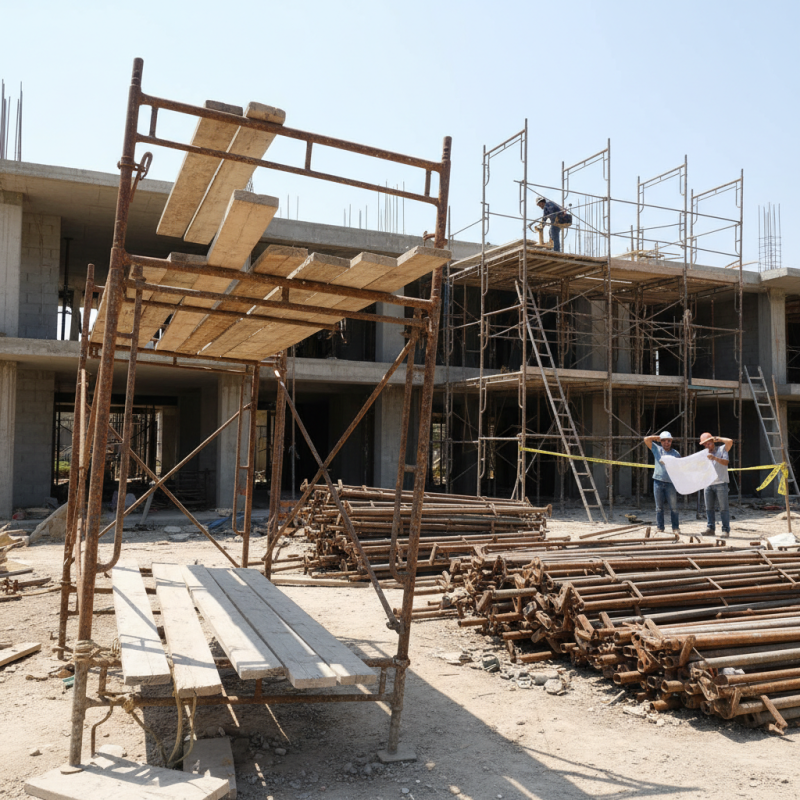
10 Common Scaffolding Mistakes Every Buyer Should Avoid?

Common Misconceptions About Scaffolding Regulations in Construction Projects

In the construction industry, many buyers misunderstand scaffolding regulations. This can lead to costly mistakes. A report by the Occupational Safety and Health Administration found that around 65% of scaffolding accidents are due to improper use. Misconceptions about safe practices can lead to dangerous situations.

Many believe all scaffolding is the same. In reality, various types exist, each with specific regulations. For instance, frame scaffolds require more bracing than mobile scaffolds. Understanding these nuances can help avoid violations and ensure safety. Buyers must consult local regulations before procurement.

Tip: Always request documentation for compliance when purchasing scaffolding.

Another common misconception is that regulations are optional. They are not. Compliance is crucial for worker safety and project success. Lax adherence can result in fines or project delays. A staggering 77% of construction firms report experiencing compliance issues at least once.

Tip: Regularly train staff on scaffolding regulations to minimize risks. Proper training fosters a culture of safety and awareness. Education is key to avoiding common scaffolding mistakes.

Overlooking the Importance of Scaffold Inspection Before Use

Inspecting scaffolding before use is crucial for safety and efficiency. Too many buyers underestimate its importance. They often focus on price and aesthetics without considering potential hazards. A thorough inspection can reveal hidden flaws that may lead to accidents. It’s essential to check the integrity of all components, including frames, platforms, and connections.

Many assume that new scaffolding is safe, but this is not always true. Even brand-new equipment can have manufacturing defects. Buyers should examine each part closely. Look for signs of wear, rust, or damage. Structural weaknesses can compromise stability. An inspection checklist can help guide this process.

Ignoring scaffold inspection can lead to serious risks. Some may overlook the necessity due to time constraints. However, short-term savings may result in costly accidents later. It’s wise to prioritize safety over convenience. Investing time in a proper inspection can protect workers and enhance project efficiency. Always remember, safety should never be an afterthought.

Neglecting Proper Load Capacity Calculations for Scaffold Structures

When it comes to scaffolding, neglecting proper load capacity calculations can lead to serious risks. Many buyers assume that standard scaffolding can handle any job. They overlook the specific weight requirements of their projects. Each scaffold type has its limitations. Understanding load capacity is essential to ensure safety and compliance.

A miscalculation can result in structural failure. Imagine a scenario where scaffolding collapses under excessive weight. Injuries could occur, leading to costly delays and legal issues. Buyers should consult professionals before making decisions. They must assess the materials and equipment being used. Get clear information about the load ratings specified by manufacturers.

Prioritizing thorough evaluations can prevent mishaps. Buyers tend to focus on price, often sacrificing safety. It’s crucial to strike a balance between budget and safety standards. The consequences of negligence can be dire. Make safety your top priority. Address load capacity with the diligence it deserves. You don’t want to regret overlooking this critical aspect.

Ignoring Safety Training Requirements for Scaffold Users and Workers

When it comes to scaffolding, ignoring safety training is a common mistake. Proper training can drastically reduce accidents. According to the Occupational Safety and Health Administration (OSHA), improper scaffolding was a factor in nearly 50% of all fall-related accidents in the construction industry. Ensuring that workers understand and follow safety protocols is essential.

Tips: Always conduct regular safety briefings. These meetings reinforce the importance of proper use. Encourage open discussions about potential hazards. Workers often spot risks that others might miss.

Training requires investment, but it pays off. A study by the National Institute for Occupational Safety and Health (NIOSH) found that workplaces with comprehensive training programs saw a 70% decrease in scaffold-related accidents. Ignoring this crucial step can result in serious injuries and costly legal issues. Most workers are eager to learn, but they need the right information and guidance.

Tips: Use visual aids to enhance learning. Diagrams and videos can clarify complex tasks. Regularly update training materials to reflect current best practices. Engaging workers in the training process fosters a culture of safety on site.

10 Common Scaffolding Mistakes Every Buyer Should Avoid

Failing to Account for Environmental Factors Affecting Scaffolding Stability

When setting up scaffolding, it’s crucial to consider how environmental factors impact stability. Weather conditions play a significant role. The American National Standards Institute (ANSI) notes that wind loads can affect scaffolding structures, sometimes reaching up to 40 mph. Properly accounting for such conditions can prevent accidents and ensure safety.

Always check for ground conditions. Uneven or wet ground can lead to instability. According to a report from the Occupational Safety and Health Administration (OSHA), nearly 35% of scaffolding-related incidents result from insufficient ground assessments. Ensure that the base is solid and level to avoid tipping or collapse.

Tips: Regularly assess your working environment. Keep an eye on the weather forecast. Secure scaffolding before storms. Inspect the scaffold daily for any signs of wear or instability. Taking these steps can save time and prevent potential hazards. Remember, a small oversight can lead to significant consequences. Keeping vigilant is essential for safe practices.

10 Common Scaffolding Mistakes Every Buyer Should Avoid

Mistake Description Impact Prevention Strategy
Ignoring Weather Conditions Failing to consider wind, rain, or snow which can affect stability. Increased risk of accidents and structural failures. Check weather forecasts and secure scaffolding accordingly.
Overloading Scaffolding Placing too much weight on scaffolds beyond their capacity. Potential collapses and injuries to workers. Know and adhere to load limits specified by manufacturers.
Lack of Proper Inspection Failing to inspect scaffolding before use. Increased likelihood of using damaged equipment. Conduct thorough inspections regularly and before usage.
Neglecting Ground Conditions Setting up scaffolding on unstable or uneven ground. Risk of instability leading to accidents. Assess ground conditions and use proper footings.
Improper Assembly Not following manufacturer’s instructions when assembling. Structural weaknesses and increased risk of collapse. Ensure all personnel are trained on assembly procedures.
Inadequate Safety Protection Not using guardrails or safety nets where required. Higher risk of worker falls and injuries. Implement appropriate safety measures per regulations.
Forgetting About Electrical Hazards Setting up near live electrical lines without precautions. Risk of electrocution or electrical fires. Identify and avoid electrical hazards before setup.
Not Training Workers Properly Failing to provide sufficient training to workers. Increased chances of accidents due to lack of knowledge. Conduct comprehensive training for all workers involved.
Ignoring Regulatory Compliance Not following local regulations and safety standards. Possible legal issues and fines. Stay updated on and comply with relevant regulations.

FAQS

: What are common misconceptions about scaffolding regulations?

: Many people think all scaffolding is the same, but different types exist with specific rules.

Are scaffolding regulations optional?

No, regulations are mandatory. Non-compliance can lead to fines and delays in projects.

How does proper training impact scaffolding safety?

Proper training can reduce scaffolding accidents significantly. It ensures workers follow safety protocols.

What percentage of fall-related accidents involve improper scaffolding?

Almost 50% of fall-related accidents in construction are linked to improper scaffolding use.

Why is it important to consider environmental factors when using scaffolding?

Weather conditions can affect stability. For example, wind can impact scaffolding structures.

What can happen if ground conditions are not assessed?

Ignoring ground conditions can lead to instability. About 35% of scaffolding incidents are due to poor assessments.

How often should scaffolding be inspected?

Scaffolding should be inspected daily for signs of wear or instability to ensure safety.

What role do safety briefings play in scaffolding safety?

Regular safety briefings reinforce proper use and encourage workers to discuss potential hazards.

How can scaffolding training materials be improved?

Using visual aids, like diagrams and videos, can enhance learning and understanding of safety practices.

Conclusion

In the construction industry, understanding "what are common scaffolding mistakes" is crucial for safety and efficiency. One frequent misconception is the misunderstanding of scaffolding regulations, which can lead to serious compliance issues. Additionally, many overlook the necessity of thorough scaffold inspections prior to use, potentially jeopardizing worker safety.

Another critical error is neglecting proper load capacity calculations, which can result in structural failures. Furthermore, safety training requirements for scaffold users and workers are often ignored, leaving teams unprepared for potential hazards. Lastly, failing to consider environmental factors that may affect scaffolding stability can compromise safety on job sites. Addressing these common mistakes is essential for ensuring a secure and effective scaffolding setup.

Amelia

Amelia

Amelia is a seasoned marketing professional with a wealth of expertise in our company’s core offerings. With an unwavering passion for driving growth and innovation, she plays a pivotal role in shaping our marketing strategies and enhancing brand visibility. A key aspect of her responsibilities......