Construction projects face inherent risks, making safety a top priority. As the industry evolves, the integration of technology plays a pivotal role. This raises the question: how does construction technology improve safety? Today, innovative tools and methods are transforming the construction landscape. From wearable devices to AI-driven solutions, technology enhances oversight and minimizes hazards.
One notable advancement is the use of drones. These flying machines can survey construction sites, identifying potential risks without placing workers in danger. Wearable technology, such as smart helmets, offers real-time data on workers' health. However, reliance on technology also brings challenges. There’s a learning curve, and not all sites adopt these tools effectively.
Despite these hurdles, the overall impact is significant. Improved communication systems enable teams to report hazards swiftly. Enhanced training programs harness virtual reality, allowing workers to practice safety protocols in a controlled environment. Ultimately, by embracing technology, the construction industry strives for safer work environments. The journey has its obstacles, but the commitment to improvement is essential.
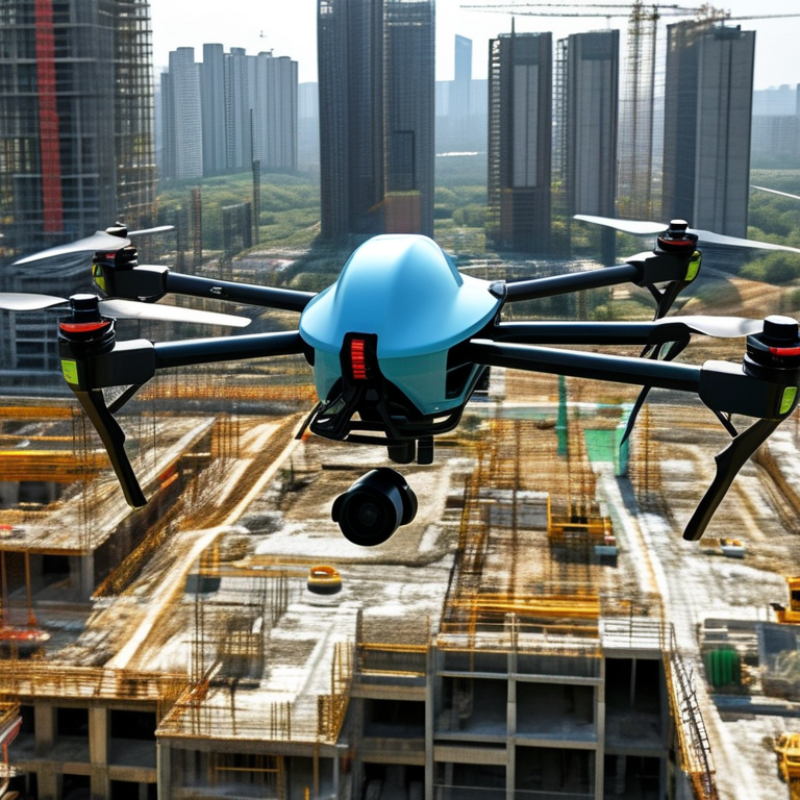
The construction industry has seen a significant shift in safety management with the rise of construction technology. This evolution includes wearable devices that monitor workers' health in real time. For instance, smart helmets can detect fatigue, reducing the risk of accidents on site. Drones also play a crucial role. They assess site conditions regularly, identifying potential hazards before they escalate.
However, while technology improves safety, it is not infallible. In some cases, reliance on devices can lead to complacency among workers. Training must accompany new tools to ensure proper usage. Additionally, integrating technology in established workflows can present challenges. Some workers may resist the change, fearing it may complicate their tasks instead of aiding them.
The emergence of construction technology necessitates a cultural shift in safety management. Companies should foster an environment where technology is seen as a supportive tool. Workers need to engage with these innovations actively. This collaboration can enhance the overall safety culture, making projects more secure for everyone involved. Still, continuous evaluation and adaptation are essential to address shortcomings and ensure lasting improvements in safety practices.
| Technology Type | Benefits | Impact on Safety | Percentage Improvement in Safety |
|---|---|---|---|
| Wearable Technology | Real-time health monitoring, alerts for hazardous conditions | Enhances individual awareness and reduces incidents | 40% |
| Drones | Site inspections, hazard detection from above | Reduces human exposure to dangerous areas | 35% |
| Building Information Modeling (BIM) | Visualize project stages, improve planning, and risk management | Identifies potential safety issues early in planning | 50% |
| Safety Management Software | Streamlines reporting, compliance tracking | Improves communication and response times | 30% |
| Robotics | Automation of hazardous tasks | Minimizes worker risk in dangerous environments | 45% |
: Technology has improved safety by using devices that monitor workers' health and identify hazards early.
Wearable devices track vital signs, location, and can detect falls, enhancing real-time safety monitoring.
Yes, some workers resist change, fearing technology may complicate their tasks or lead to a feeling of being monitored.
Training ensures proper usage of technology and helps workers engage proactively with safety tools.
Companies should promote technology as a supportive tool and involve workers in discussions about it.
Many workers prefer digital tools, as they provide easier access and accommodate different learning paces.
Continuous evaluation helps address shortcomings and adapt safety practices to better fit the workforce's needs.
VR and AR create realistic job site scenarios, enhancing engagement and understanding of safety protocols.
Open communication fosters trust and allows workers to voice concerns, making them feel more comfortable with technology.
Comfortable devices increase the likelihood that workers will wear them consistently, supporting safety efforts.
Construction technology plays a pivotal role in enhancing safety within construction projects. By integrating advanced safety management systems, the industry is witnessing significant improvements in risk mitigation and incident prevention. Key technologies such as drones, robotics, and automated machinery are reshaping safety protocols, allowing for safer site operations. Moreover, data analytics empowers project managers to predict potential safety risks, facilitating proactive measures to avert accidents before they occur.
Furthermore, wearable technology is revolutionizing real-time safety monitoring by providing instant feedback on worker conditions and environmental hazards. This proactive approach is complemented by technology-driven training and education initiatives, equipping the workforce with the necessary skills to navigate modern safety challenges effectively. In summary, understanding how construction technology improves safety is essential for fostering a safer work environment and ultimately leading to a reduction in accidents on construction sites.

 Shubrixa Build