When considering "what are the different types of scaffolding systems," it's essential to understand their diversity. Scaffolding plays a crucial role in construction. Each type serves specific needs. According to industry expert John Smith, "Choosing the right scaffolding system can enhance safety and efficiency."
Different scaffolding types are tailored for various tasks. For instance, frame scaffolding is popular for its ease of assembly. Suspended scaffolds offer flexibility for high-rise buildings. These variations reflect project requirements and site conditions. The choice greatly affects workflow and safety measures on-site.
However, selecting the correct system is often not straightforward. Employers and contractors must weigh costs and regulations. Each scaffolding type has its pros and cons. Understanding them can make a difference in project outcomes. Recognizing what scaffolding system to choose requires experience and careful planning.
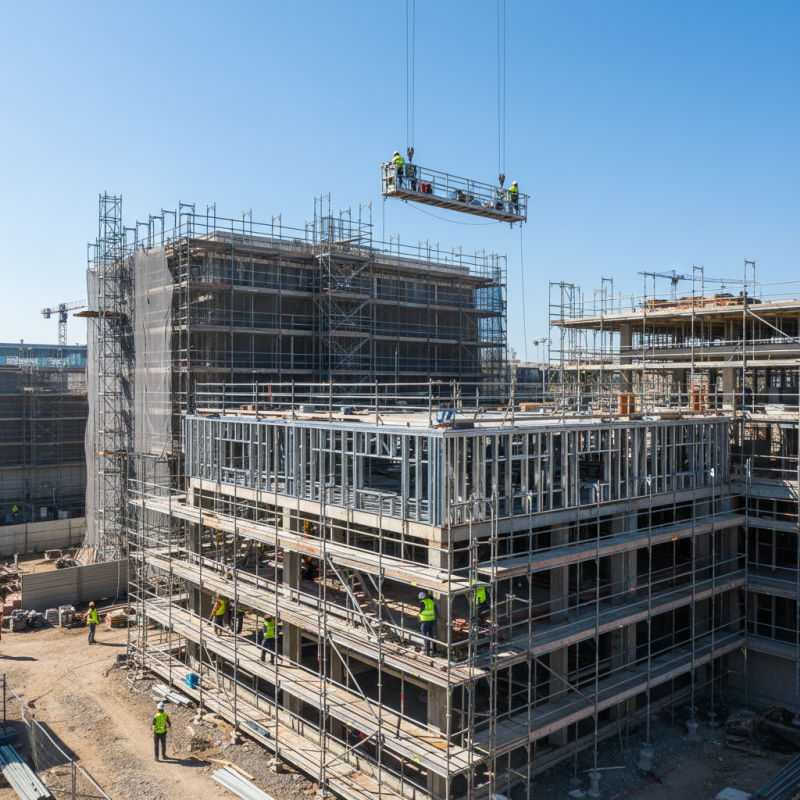
Scaffolding systems come in various types, each tailored to meet specific construction needs. One common type is the frame scaffold. This design offers quick setup and dismantling. It is widely used for residential buildings. Reports indicate that frame scaffolds account for about 45% of the scaffolding market.
Another significant type is the suspended scaffold. This system hangs from a higher structure, allowing access to hard-to-reach areas. It is often used in high-rise construction and maintenance. According to industry statistics, suspended scaffolds are growing in popularity, with a market share increasing by 10% annually.
Both systems have their unique features. However, challenges exist, such as stability concerns in high winds or on uneven ground. The choice of a scaffolding system should factor in these risks. While some systems provide flexibility, their safety measures might not be foolproof. Understanding these nuances is crucial for any construction project.
When selecting a scaffolding system, various factors come into play. Project size is crucial. Larger projects often require more robust systems for safety and efficiency. Smaller jobs might suit lightweight options. The building's height dictates the type of scaffolding as well. Some designs work better at greater heights, while others are more stable on lower levels.
Another critical aspect is the type of work being done. Tasks like masonry, painting, or electrical work have different needs. For example, workers painting high walls may prefer scaffolds that provide easy access. Environmental conditions also affect choices. Windy or rainy locations demand sturdier scaffolding systems. Each scenario can significantly influence the final decision.
It's essential to consider the workers' experience as well. Skilled labor might maneuver more complex systems easily, while others may struggle. Adequate training for all crew members is vital. The choice of scaffolding can also reflect local regulations, which vary by region. Compliance ensures safety but can limit options. Balancing safety, cost, and efficiency is a continuous challenge for project managers.
When it comes to scaffolding systems, each type has unique advantages and disadvantages. Frame scaffolding is one of the most commonly used. It provides excellent stability and is quick to assemble. However, its size can limit accessibility in tight spaces. In contrast, modular scaffolding is highly flexible. It adapts to various shapes and heights, but requires a skilled team for efficient setup.
Tips: Always assess the specific needs of your project. Consider factors like site layout and the type of work involved. This will help in choosing the right scaffolding.
The rope scaffolding system is lightweight, making it easy to transport. It’s ideal for smaller jobs or where mobility is essential. Yet, it may not offer the same strength as frame scaffolding. For large-scale projects, it could lead to safety concerns if not used properly.
Tips: Ensure that all team members are trained in safety protocols. Regular inspections of equipment are vital for maintaining integrity. This proactive approach can minimize risks.
| Scaffolding Type | Advantages | Disadvantages | Typical Use Cases |
|---|---|---|---|
| Steel Scaffolding | Durable, strong, and reusable. | Heavier and may require more labor to assemble. | Industrial construction, high-rise buildings. |
| Aluminum Scaffolding | Lightweight, easy to assemble, and transport. | Less durable than steel and can be more expensive. | Residential construction, maintenance work. |
| Wood Scaffolding | Cost-effective and easy to customize. | Not as strong or durable as metal scaffolding. | Small projects, indoor work. |
| Mobile Scaffolding | Easy to move and set up; versatile for different tasks. | Limited height and stability on uneven ground. | Maintenance, interior work, painting. |
| System Scaffolding | Quick to assemble; highly flexible design. | May require specific training for assembly. | Large construction sites, complex structures. |
Different types of scaffolding systems play crucial roles in construction. Each system serves unique applications, depending on the project requirements. For instance, frame scaffolding is commonly used for residential buildings. It provides easy assembly and strong support. Tube and coupler scaffolding, while more labor-intensive, offers flexibility for complex structures. According to a report by ResearchAndMarkets, the global scaffolding market is projected to reach $68 billion by 2025, emphasizing the rising demand for tailored solutions.
In high-rise projects, suspended scaffolding proves essential. It allows workers to operate at great heights safely. A report from Freedonia Group indicates that demand for suspended scaffolding will grow by 5.5% annually. This highlights its growing importance in urban development. However, challenges remain. Proper training and safety protocols are often overlooked, leading to potential hazards. Lack of understanding about the specific needs of each scaffolding type can impede project success.
Choosing the right scaffolding system impacts productivity and safety significantly. A well-planned scaffolding setup can reduce time on site and enhance workflow. Conversely, inadequate systems can lead to delays and increased costs. This duality illustrates the importance of expertise in selecting the appropriate scaffolding for each project. Building contractors must carefully assess all factors before implementation.
Scaffolding systems are essential in construction, but safety is paramount. Regulations vary by region, influencing design and use. Workers rely on these structures to perform tasks at height, making compliance critical. Each system must meet specific safety standards to reduce accidents and injuries on job sites.
The Occupational Safety and Health Administration (OSHA) sets guidelines in the United States. These guidelines outline load capacities, materials, and proper assembly. Compliance can feel overwhelming, but it ensures safety. On-site inspections help maintain these standards. Too often, shortcuts lead to serious risks that could have been avoided.
Categories of scaffolding include suspended, system, and mobile types. Each has unique safety requirements. For instance, suspended scaffolding must have secure anchors. Yet, many workers may overlook details, like daily inspections. Reflecting on this, it is clear that training and diligence are not just necessary; they are vital. Adaptation to local regulations and ongoing education is needed to enhance safety culture in the construction industry.
: Common types include frame scaffolds and suspended scaffolds, each serving different construction needs.
Frame scaffolding allows for quick setup and is ideal for residential buildings, making it popular among contractors.
Suspended scaffolding hangs from a higher structure, offering access to difficult areas, especially in high-rise projects.
Consider project size, building height, type of work, environmental conditions, and workers’ experience.
Experienced workers can manage complex scaffolding systems better, while novice workers may face difficulties.
Windy or rainy locations need sturdier scaffolding for safety, impacting the decision significantly.
Stability issues in high winds or uneven ground and inadequate safety protocols can create hazards.
Poorly chosen scaffolding can lead to delays, increased costs, and safety risks, impacting overall productivity.
Compliance with local regulations ensures safety but may limit the types of scaffolding available for projects.
Proper training helps workers understand system use, ensuring safer operations and reducing potential hazards on site.
In exploring why there are different types of scaffolding systems, it is essential to understand what are the different types of scaffolding systems and their unique features. Scaffolding systems vary in design and functionality, with each type catering to specific construction needs. Factors influencing the choice of a scaffolding system may include project requirements, site conditions, and the nature of the work to be performed.
Moreover, each system offers distinct advantages and disadvantages, impacting both efficiency and safety during construction projects. Applications of various scaffolding systems span across a wide range of projects, from residential buildings to large-scale commercial developments. Adhering to safety standards and regulations is crucial to ensure the safety of workers and the integrity of the structures being built. Understanding these elements helps in making informed decisions when selecting the appropriate scaffolding system for any construction endeavor.

Shubrixa Build