Ensuring safety in construction sites is a pressing concern. According to the U.S. Bureau of Labor Statistics, construction accidents account for nearly 20% of all workplace fatalities. This alarming statistic underscores the need for effective safety measures. Understanding how to improve safety in construction sites is vital for protecting workers and reducing incidents.
Construction sites are inherently hazardous. Common risks include falls, electrical hazards, and equipment-related accidents. Implementing robust safety protocols can drastically lower these risks. The National Safety Council emphasizes that a comprehensive safety program can reduce injury rates by up to 50%. Yet, many projects still lack essential safety training and oversight, leading to preventable tragedies.
The construction industry faces unique challenges in promoting safety. Workers may underestimate risks, or supervisors may overlook critical safety checks. By adopting best practices and utilizing technology, companies can enhance their safety culture. Addressing gaps in safety measures is essential for fostering a safer work environment. Stakeholders must prioritize effective training and awareness to avoid severe consequences.
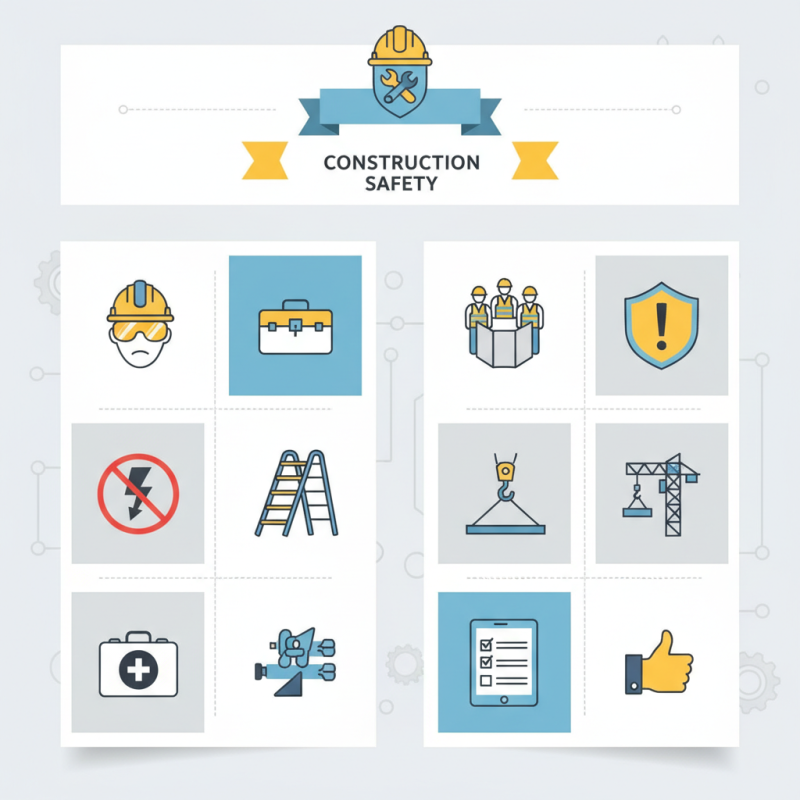
Safety training is crucial in construction. According to the Occupational Safety and Health Administration (OSHA), falls, being struck by objects, and electrocutions account for over 60% of construction-related deaths. Proper training can significantly reduce these accidents. Workers equipped with safety knowledge are more aware of their surroundings. They can recognize hazards and respond effectively, minimizing risks.
Inexperience often leads to unnecessary injuries. A study by the National Institute for Occupational Safety and Health (NIOSH) noted that new workers are at a higher risk of accidents in their first few weeks. This highlights the need for robust orientation programs that address specific site conditions. Regular, hands-on training refreshes workers' skills and keeps safety protocols top of mind.
Moreover, consistent safety training impacts overall morale. Workers feel valued when employers invest in their safety. A safe work environment fosters trust and enhances productivity. Despite this, some sites still overlook adequate training. This oversight can lead to severe consequences. Prioritizing safety training is not just a legal obligation; it’s an ethical responsibility.
Construction sites are rife with hazards. Identifying these dangers is crucial. Common risks include falls, machinery accidents, and electrical issues. Each of these can lead to serious injuries. Workers must be aware of their surroundings. Regular safety audits can help pinpoint potential hazards. Effective communication on-site is vital. Everyone needs to speak up about unsafe conditions.
Mitigating these risks requires diligent effort. Implementing safety training is essential. This empowers workers to recognize dangers early. Proper use of personal protective equipment (PPE) can significantly reduce injury risks. Yet, many workers neglect to wear their gear. Reinforcing the importance of PPE is necessary. Regular drills can keep safety procedures fresh in mind.
Even with strict measures, accidents happen. Reflecting on past incidents helps prevent future ones. Analyzing what went wrong is key. Encourage a culture of safety where feedback is welcomed. Engaging the entire team fosters vigilance. Safety should be a shared responsibility, not just management's concern.
Effective safety equipment and gear protocols are vital in construction. Studies show that nearly 21% of construction site injuries stem from falls. Proper use of safety harnesses and helmets can reduce these incidents significantly. Each worker must receive training on how to wear and adjust their gear. This ensures they are protected on-site.
Employers are responsible for providing high-quality safety gear. However, sometimes workers favor comfort over safety. A survey indicated that 30% of construction workers admitted to skipping the use of personal protective equipment due to discomfort. Regular assessments are needed to identify gear that meets safety standards while ensuring comfort.
Conducting regular safety drills is essential. These drills keep everyone informed about the correct use of equipment. Candidates in the construction field should receive hands-on training. This practical experience can improve reaction times in emergencies. Safety protocols should be reviewed consistently to adapt to evolving construction methods. Reflecting on accidents can lead to insights that enhance gear effectiveness.
| Tip Number | Safety Measure | Implementation Strategy | Effectiveness Rating |
|---|---|---|---|
| 1 | Personal Protective Equipment (PPE) | Ensure workers wear helmets, gloves and visibility gear | High |
| 2 | Safety Training Programs | Conduct regular safety workshops and drills | High |
| 3 | Regular Equipment Checks | Inspect all tools and machinery before use | Medium |
| 4 | Clear Signage | Use clear signs for hazards and safety zones | Medium |
| 5 | Emergency Procedures | Establish and communicate emergency protocols | High |
| 6 | First Aid Availability | Equip sites with first aid kits and trained personnel | High |
| 7 | Falling Object Protection | Use netting and barriers to prevent falls | High |
| 8 | Hazardous Material Handling | Train workers in safe handling practices | Medium |
| 9 | Site Supervision | Ensure supervisors are present to enforce safety | High |
| 10 | Workplace Cleanliness | Maintain a tidy and organized work environment | Medium |
Establishing clear communication channels among team members is crucial in construction. Miscommunication can lead to accidents and project delays. Regular briefings help reinforce messages. Meetings should be short and focused. During these sessions, each team member must feel comfortable voicing concerns. Encourage open dialogue. This fosters a culture of safety.
Visual aids can enhance understanding. Use posters and signs to clarify safety protocols. Everyone should know the emergency procedures. These resources bridge gaps in knowledge. Checking in regularly can surface issues early. Team activities can build rapport. Trust is fundamental when lives are at stake.
However, communication is not always perfect. Some team members may hesitate to share thoughts. Language barriers can complicate exchanges. Reflecting on these challenges is essential. Solutions should evolve over time. Constructive feedback should be welcomed. It can pave the way for improvement in safety practices.
Conducting regular safety audits and inspections on construction sites is critical. Safety audits provide essential insights into current practices and potential hazards. According to the Occupational Safety and Health Administration (OSHA), effective safety programs can reduce injury rates by up to 40%. Regular audits help identify weak points, ensuring protocols are followed and improving overall site safety.
Inspectors should pay close attention to personal protective equipment (PPE) compliance. A survey by the National Safety Council found that 70% of construction-related injuries are preventable with proper PPE. Regular checks can ensure that workers are using the right gear, but gaps often exist. It is not uncommon to find workers wearing inadequate protection during routine tasks. This is an area where reflection and improvement is necessary.
Additionally, conducting audits fosters a safety culture. When workers see that safety is a priority, they engage more actively in safety practices. However, the challenge remains in the inconsistent execution of these audits. Many sites conduct audits infrequently or superficially. This inconsistency may lead to a false sense of security and increase risks. Investing time in comprehensive audits could save lives and reduce costs associated with workplace injuries.
This chart illustrates the relationship between the frequency of safety audits conducted on construction sites and the incident rate per 100 workers. As the frequency of audits increases, the incident rate tends to decrease, highlighting the importance of regular safety checks to enhance safety on construction sites.
: Common hazards include falls, machinery accidents, and electrical issues. These can lead to serious injuries if not addressed.
Safety training helps workers recognize dangers and understand how to respond. It empowers them to take proactive safety measures.
Proper use of PPE like helmets and harnesses lowers injury chances. Yet, many workers often neglect to wear these essential items.
Studies indicate that nearly 21% of injuries result from falls. Training on safety gear can help mitigate this risk.
Regular safety audits are crucial. They reveal potential hazards and improve safety practices, but they need to be thorough and consistent.
Effective communication on-site encourages workers to share concerns. Everyone should feel comfortable reporting unsafe conditions without hesitation.
Audits help identify weak points in safety practices. They ensure compliance with protocols and promote a safer working environment.
Some workers prioritize comfort over safety and may avoid wearing PPE due to discomfort, which is a concerning trend.
Analyzing past accidents provides insights to avoid future occurrences. Reflection fosters a better understanding of safety practices.
Safety drills keep procedures fresh in mind. They also improve workers' reaction times in emergency situations, fostering preparedness.
To effectively address how to improve safety in construction sites, it is crucial to prioritize safety training for construction workers. This training equips them with the necessary skills to identify and mitigate common hazards they may encounter on the job. Furthermore, implementing rigorous safety equipment and gear protocols ensures that all personnel are well-protected against potential dangers.
Establishing clear communication channels among team members is essential for promoting a safety-first culture. Regular safety audits and inspections also play a pivotal role in identifying risks and ensuring compliance with safety standards. By adopting these strategies, construction sites can significantly enhance their safety measures, reducing accidents and promoting a healthier work environment for all employees.

Shubrixa Build