Construction sites rarely fail because workers lack effort. They fail when essential tools do not match the work, ground conditions, or project risks. Understanding what equipment is essential for construction work helps managers plan safer, faster, and more reliable operations.
A practical equipment list usually begins with excavators, loaders, dump trucks, cranes, compactors, and concrete mixers. Each machine solves a specific problem. An excavator opens trenches through dense soil. A loader moves broken material into a waiting truck. A compactor presses loose gravel until the surface feels firm beneath a worker’s boots. Cranes lift steel beams where human strength cannot safely reach.
Construction safety specialist John Smallwood emphasizes, “Equipment selection must support both productivity and worker safety.” That principle sounds obvious. It is often missed. The largest machine is not always the best choice. A compact excavator may protect a narrow residential site, while a tower crane may suit a high-rise project. The decision depends on load weight, reach, terrain, maintenance access, and operator competence.
Essential equipment also includes less dramatic tools. Surveying instruments, fall-protection systems, personal protective equipment, lighting, and backup alarms can prevent costly mistakes. A machine can operate perfectly and still create danger when visibility is poor. I have seen project plans treat maintenance as an afterthought. That is a weakness worth admitting.
This guide examines the equipment construction teams actually need, why each item matters, and how careful selection improves site performance. Capability matters. Judgment matters more.
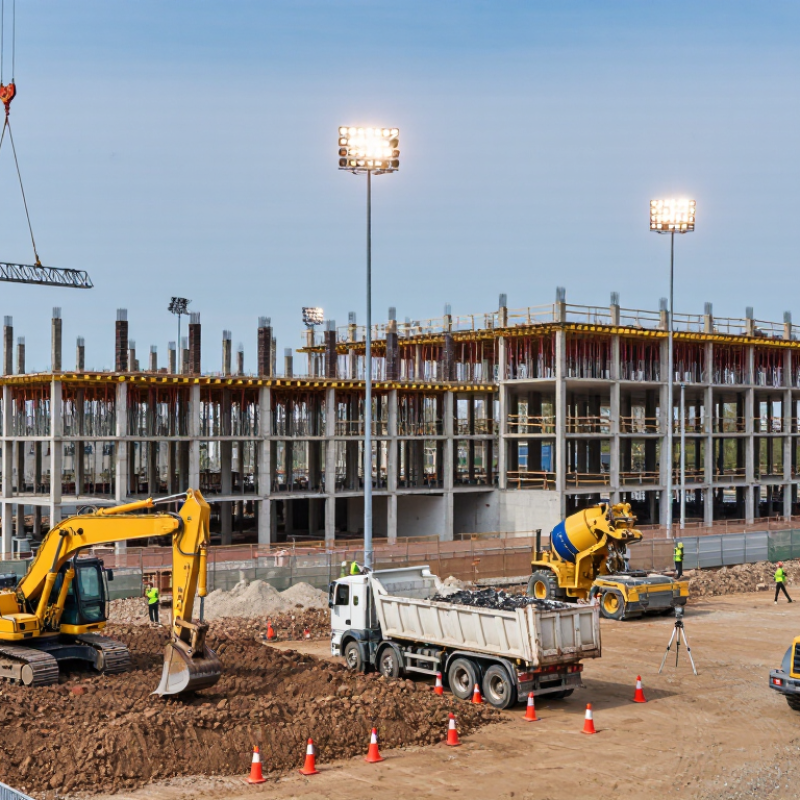
Essential construction equipment is the machinery and supporting tools that make site work safer, faster, and more controllable. It includes excavators for digging, loaders for moving materials, cranes for lifting, compactors for stabilizing soil, and concrete equipment for structural work. Safety essentials matter too: guardrails, fall-arrest systems, dust controls, lighting, and reliable communication devices.
The right equipment depends on ground conditions, load weight, access limits, and project design. A narrow excavator may work better beside an existing wall than a larger machine. Laser levels and surveying tools can reduce alignment errors before concrete is poured. The U.S. Bureau of Labor Statistics recorded more than 1,000 fatal injuries annually among construction and extraction occupations in recent years. This figure shows why equipment selection must include risk control, not only productivity.
Industry reports support that approach. The International Labour Organization identifies construction as one of the world’s most hazardous sectors, with frequent risks from falls, moving objects, and heavy machinery. On active sites, daily inspections often reveal small problems: worn lifting slings, poor visibility, or unstable access routes. These details are easy to overlook. A bigger machine is not automatically better. That assumption needs questioning, especially when operators lack training or the site changes during the day.
Construction equipment does more than move soil and materials. It helps crews complete demanding tasks with greater speed, control, and consistency. On a busy site, properly matched equipment reduces manual handling and prevents unnecessary delays. An excavator can prepare foundations while loaders remove spoil and transport materials nearby. This keeps work areas moving.
Time matters.
Lifting equipment also supports project efficiency. Operators can position steel, concrete panels, and heavy tools with fewer workers exposed to strain. However, productivity depends on trained operators, clear communication, and accurate load information. A machine cannot compensate for poor planning. Daily inspections, maintenance logs, and verified load limits help prevent breakdowns and unsafe interruptions. These practices reflect real site experience and established construction procedures.
I have seen oversized machines create delays instead of saving time. They consumed more fuel, blocked narrow access routes, and waited between tasks. That mistake deserves reflection. Smaller equipment may perform better on restricted sites, even when its output seems lower. Compactors provide another example. Proper soil compaction supports stable foundations and reduces costly rework later. Project managers should compare equipment capacity, site conditions, operator skill, and maintenance support before making a choice. Efficient construction is not simply about using more machines. It is about using the right machine at the right moment.
Why Is Essential Equipment Needed for Construction Work?
Different construction tasks demand different equipment. Excavators remove soil and prepare trenches, while skid-steer loaders move materials through tight areas. Tower cranes lift steel, concrete forms, and heavy mechanical components above ground. Concrete pumps deliver wet concrete across difficult distances, reducing manual handling. Compactors press soil and gravel into stable layers beneath roads and foundations. These choices affect productivity, accuracy, and worker exposure to hazards.
The U.S. Bureau of Labor Statistics reported 1,075 fatal work injuries in construction during 2023. That figure shows why equipment selection cannot rely on habit. Mobile elevating work platforms support controlled work at height, while trench shields protect workers during excavation. According to OSHA, construction accounted for about one in five private-industry workplace deaths in recent years. Guardrails, lifting plans, inspections, and trained operators remain essential.
Real sites are rarely perfect. Mud can reduce machine stability, and limited access can make the “best” equipment impractical. A smaller excavator may work more safely beside existing structures, even if it takes longer. I have found that planning often overlooks attachments, ground conditions, and maintenance time. That oversight costs more than expected. Equipment should match the task, the soil, the load, and the people operating it. Geological surveys and safety reports can guide decisions, but field judgment still matters.
The chart shows the equipment categories commonly associated with major construction tasks. A value of 1 means the equipment type is commonly applicable to that task. Proper equipment improves productivity, material handling, lifting capacity, worksite safety, and project quality.
The classification is based on standard construction applications and is intended as a practical overview rather than project-specific production data.
Construction equipment is more than a way to finish work faster. It creates a controlled working environment when used correctly. Guardrails, lifting devices, dust extraction systems, and properly fitted protective equipment reduce common site hazards. A stable access platform can prevent a fall, while a mechanical lifter can reduce back injuries during material handling. These benefits depend on trained operators, clear procedures, and daily inspections.
Quality also improves when workers use suitable, maintained tools. A calibrated laser level helps crews set accurate lines before walls or floors are installed. Moisture meters can identify damp areas that might damage finishes later. Compaction equipment creates a stronger base, but only when workers check soil conditions and follow the required passes. Small errors can become expensive repairs.
Equipment is not a replacement for judgment. A damaged cable, blocked guard, or rushed inspection can create serious problems. In practice, workers sometimes overlook minor defects when schedules become tight. That habit needs honest review. Inspection logs, maintenance records, and short safety briefings help teams notice issues earlier. Even advanced equipment can produce poor results when settings are wrong or operators lack experience. Good construction depends on reliable tools, careful supervision, and people willing to stop and question unsafe work.
Choosing construction equipment starts with the work itself, not machine size. A compact loader may fit a narrow street, but it cannot safely handle every load. Measure material weight, lifting height, digging depth, and working radius before making a decision. Small errors matter. Manufacturer load charts and site assessments should guide the selection.
Ground conditions often change the answer. Soft soil may require tracked equipment with lower ground pressure. Finished paving may need lighter machines to reduce surface damage. Check gate widths, overhead cables, turning space, and delivery access. Weather also matters, especially on muddy or steep sites. Noise limits, fuel availability, and project duration can affect equipment suitability. The lowest rental price may hide transport, maintenance, and downtime costs.
Operator competence is equally important. Controls, visibility, attachment changes, and emergency systems should match the crew’s training. Regular inspections and clear exclusion zones reduce avoidable risks. A machine can be technically suitable yet still create danger when visibility is poor. On active sites, experienced supervisors often compare the equipment plan with actual ground conditions each morning. Plans can be wrong. It is tempting to choose one machine for several tasks, but this may reduce productivity and increase wear. A practical choice balances capacity, access, safety, operating cost, and the skills available on site.
Construction equipment selection guide based on common applications, operating conditions, capacity, safety, and project efficiency.
| Equipment Type | Essential Construction Work | Typical Operating Range | Key Selection Factors | Main Productivity Benefit | Important Limitations and Safety Points |
|---|---|---|---|---|---|
| Hydraulic Excavator | Trenching, foundation excavation, material loading, demolition, and site preparation. | Approximately 1.5–90 metric tons operating weight; bucket sizes commonly range from about 0.05–6 m³. | Required digging depth, reach, soil type, bucket capacity, access restrictions, and lifting requirements. | Combines digging, lifting, swinging, and loading functions in one machine. | Requires stable ground, adequate swing clearance, trained operators, and controlled exclusion zones around the machine. |
| Wheel Loader | Loading aggregates, moving soil, stockpile management, and short-distance material handling. | Typical bucket capacities are approximately 1–20 m³, depending on machine size and material density. | Material density, haul distance, pile height, required bucket volume, ground conditions, and turning space. | Fast cycle times for loading trucks and relocating loose materials across prepared surfaces. | Less suitable for deep excavation; visibility, reversing movements, and pedestrian separation must be managed. |
| Bulldozer | Earth spreading, rough grading, site clearing, embankment construction, and pushing material. | Common operating weights range from roughly 7–100 metric tons; blade widths often range from about 2.5–6 m. | Push distance, soil resistance, slope angle, blade type, site area, and required grading accuracy. | Provides strong drawbar force for moving and spreading large quantities of soil. | Not designed for long-distance hauling; rollover protection, slope awareness, and edge clearance are essential. |
| Motor Grader | Fine grading, road crowning, drainage shaping, shoulder construction, and surface maintenance. | Moldboard widths commonly range from approximately 3–4.5 m; working speeds are generally lower during precision grading. | Required surface tolerance, material moisture, site width, drainage profile, and number of grading passes. | Achieves accurate slopes and smooth finished surfaces with adjustable blade positioning. | Needs sufficient working space and skilled operation; excessive speed can reduce grading accuracy. |
| Backhoe Loader | Utility trenching, minor excavation, backfilling, loading, and maintenance work in confined areas. | Usually combines a front loader bucket with a rear excavator attachment; digging depths commonly reach about 4–6 m. | Mobility, trench depth, attachment needs, access width, surface conditions, and the need for multiple functions. | Versatile for small and medium projects because it can excavate, load, backfill, and travel between work areas. | Lower output than dedicated large machines; stabilizers must be correctly positioned before excavation. |
| Dump Truck | Hauling soil, aggregates, demolition debris, and construction materials around or away from the site. | Payloads commonly range from approximately 5–40 metric tons for common site-haul applications. | Payload requirement, haul distance, road condition, turning radius, loading equipment size, and legal weight limits. | Maintains continuous material flow between excavation, stockpile, processing, and placement areas. | Requires suitable haul roads, secure loads, controlled reversing, and careful operation near edges and soft ground. |
| Compactor or Roller | Soil compaction, subbase preparation, asphalt paving support, and surface stabilization. | Drum widths commonly range from approximately 1–2.2 m; machine type varies for soil, granular material, or asphalt. | Material type, target density, moisture content, lift thickness, drum configuration, and required number of passes. | Improves load-bearing capacity, reduces settlement, and helps achieve specified pavement performance. | Incorrect moisture or insufficient passes can cause weak layers; operators must avoid unstable edges and excessive vibration near structures. |
| Mobile Crane | Lifting structural steel, prefabricated components, formwork, equipment, and heavy materials. | Capacity depends heavily on boom length and radius; lifting capacity decreases as working radius increases. | Load weight, lift radius, height, boom configuration, ground bearing capacity, wind, and overhead hazards. | Enables controlled vertical and horizontal placement of heavy components that cannot be moved manually. | Requires a documented lift plan, certified operators and riggers, outrigger support, exclusion zones, and weather monitoring. |
| Telescopic Handler | Placing materials at height, moving pallets, handling formwork, and supporting masonry or structural activities. | Typical rated capacities range from about 2–5 metric tons; maximum lift heights commonly range from 6–18 m. | Load chart, lift height, forward reach, attachment type, ground stability, and required travel distance. | Combines reach, lifting, and mobility for material placement on multi-level or uneven construction sites. | Capacity changes with boom extension; loads must remain within the manufacturer’s rated load chart and stability limits. |
| Concrete Mixer and Pump | Batching, transporting, and placing concrete for foundations, slabs, walls, columns, and elevated structures. | Concrete pump output varies by equipment size and mix; common site pumps may deliver roughly 20–100 m³ per hour under suitable conditions. | Required volume, placement distance, vertical height, mix workability, access, pour sequence, and setting time. | Provides continuous placement and reduces manual handling during large or difficult-to-access pours. | Needs coordinated delivery, clean pipelines, suitable concrete consistency, and strict hose and pressure safety procedures. |
Essential equipment includes excavators, loaders, cranes, compactors, concrete pumps, and safety systems. It improves control, speed, and site safety. Conditions change.
Match the machine to the soil, load weight, access space, and project design. A narrow excavator may suit a tight area beside an existing wall. Bigger is not always better.
Excavators remove soil and prepare trenches. Trench shields help protect workers during excavation. Daily checks should include soil stability and access routes.
Loaders and skid-steer machines move soil, gravel, and other materials. Skid-steer machines can work through narrow site areas. Mud may reduce their stability.
Cranes lift steel, concrete forms, and heavy mechanical components. Lifting slings require inspection before use. A lifting plan should consider load weight and nearby obstacles.
Concrete pumps deliver wet concrete across difficult distances. Laser levels and surveying tools help reduce alignment errors. Small measurement mistakes can become expensive later.
Guardrails, fall-arrest systems, dust controls, lighting, and communication devices support safer work. Mobile elevating platforms provide controlled access at height. Inspections remain necessary.
Construction sites face risks from falls, moving objects, and heavy machinery. Inspections can reveal worn slings, poor visibility, or unstable routes. Training may be overlooked, but that decision deserves reconsideration.
Yes, smaller equipment may provide better control near walls or existing structures. It may take longer to finish the work. That trade-off can still reduce risk.
Essential construction equipment includes the machines, tools, and support systems needed to move materials, prepare sites, build structures, and complete finishing work. Understanding what equipment is essential for construction work depends on the project’s size, location, materials, schedule, and technical requirements. Excavators, loaders, cranes, concrete mixers, compactors, lifts, and surveying tools each serve different purposes, helping workers perform demanding tasks more efficiently and accurately.
The right equipment can reduce manual effort, shorten project timelines, improve material handling, and support consistent construction quality. It also contributes to safety by reducing exposure to heavy loads, unstable surfaces, excessive heights, and other workplace hazards when operated correctly. Equipment selection should consider capacity, terrain, fuel or power needs, mobility, maintenance requirements, operator training, and overall cost. By matching machinery and tools to specific construction tasks, project teams can improve productivity, control expenses, maintain quality standards, and create a safer, more organized work environment.

Shubrixa Build