When considering what are the different types of scaffolding systems, it’s crucial to understand their impact on safety and efficiency in construction. According to a recent industry report, scaffolding accounts for nearly 50% of construction site injuries. This highlights the importance of choosing the right system.
Scaffolding systems vary significantly, from frame scaffolds to suspended and mobile options. Each type offers unique benefits that cater to specific project needs. For example, frame scaffolds provide excellent stability for heavy loads, while suspended scaffolds allow easy access to high-rise structures. Understanding these differences is vital for project managers.
However, despite advancements, misconceptions persist. Many underestimate the complexity and safety risks associated with scaffolding. A survey indicated that 30% of workers lack proper training in scaffold use. This underlines the need for improved education in the industry. By exploring these essential tips, you can improve safety and efficiency in your construction projects.
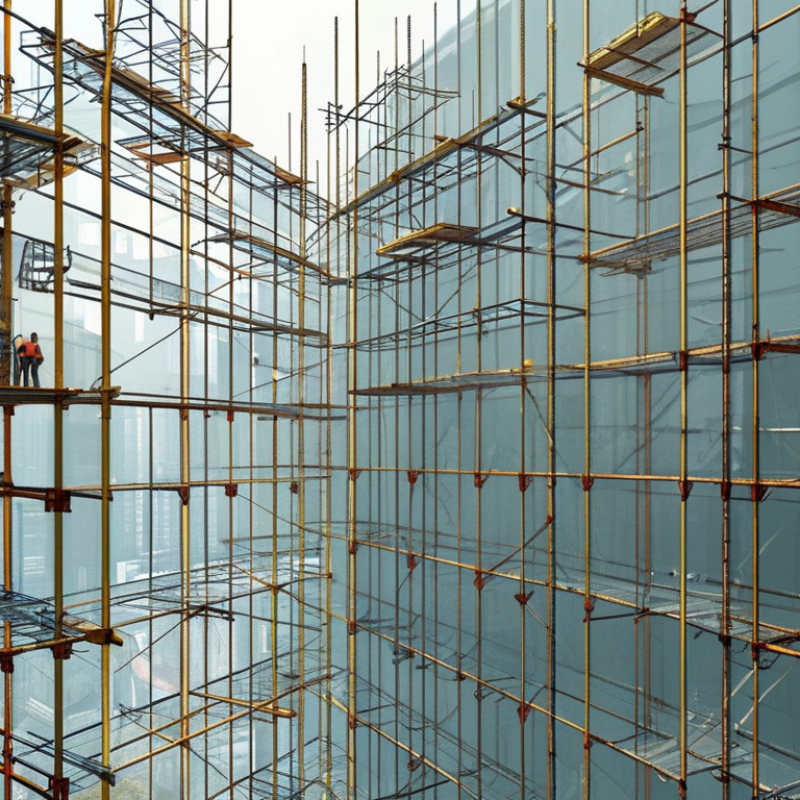
Scaffolding is crucial in construction. It provides temporary support structures for workers and materials. The primary purpose is to ensure safety. Workers can reach heights without risk. Proper scaffolding enhances productivity and efficiency.
Different types of scaffolding systems exist. Each serves a unique purpose. For instance, tube and clamp scaffolding is versatile. It adapts easily to various building shapes. Frame scaffolding, on the other hand, is quick to assemble. It is often used for residential projects.
However, not all scaffolding setups are foolproof. Improper assembly can lead to accidents. Regular inspections are essential to maintain safety. Knowledge of load capacities is vital. Workers must be trained to identify issues. Failing to do so can result in serious injuries. Understanding scaffolding is a continuous learning process.
| Scaffolding Type | Description | Usage | Load Capacity | Advantages |
|---|---|---|---|---|
| Tube and Clamp | Versatile scaffolding system using tubes and clamps for structural support. | Construction, maintenance, and industrial projects. | Up to 300 lbs per square foot. | Flexible design, high load capacity. |
| Frame Scaffolding | Pre-assembled frames providing quick setup and stability. | Residential and light commercial projects. | Up to 200 lbs per square foot. | Easy assembly, lightweight. |
| System Scaffolding | Modular scaffolding with standardized components for efficient use. | Heavy industrial applications. | Up to 350 lbs per square foot. | Rapid setup, high strength. |
| Cantilever Scaffolding | Supports loads from one end, ideal for overhanging structures. | Maintenance on bridges and tall buildings. | Up to 250 lbs per square foot. | Space-saving, suitable for tight areas. |
| Suspended Scaffolding | Hangs from the top and can be moved vertically. | High-rise buildings and maintenance. | Up to 500 lbs per platform. | Excellent for tall structures, adjustable height. |
| Rolling Scaffolding | Scaffolding on wheels for easy mobility. | Interior painting and maintenance tasks. | Up to 300 lbs per square foot. | Highly portable, quick repositioning. |
| Shoring Scaffolding | Temporary structures for support while construction is ongoing. | Used during construction of large structures. | Dependent on system used. | Ensures safety during construction, prevents collapse. |
: Steel tubes and aluminum are popular. Steel offers strength, while aluminum is lighter and easier to transport.
Regular inspections prevent accidents. Weak or damaged parts can lead to dangerous situations for workers.
Scaffolding supports workers at heights. It stabilizes them, especially with diagonal braces that prevent swaying.
Consider your project’s needs. Look at load capacity, safety, and the skill level of your workforce.
Prefabricated systems are quicker to set up but may lack customization options. This can affect project flexibility.
Yes, combining modular and frame scaffolding may enhance safety and efficiency. Balance is key in your choice.
Complex systems can elevate risks if not managed properly. Skill shortages can exacerbate these issues.
Regular worker training reduces risks during assembly. Understanding safety is vital for preventing accidents.
The main components include steel tubes, braces, decks, and connectors. Each plays a critical role in stability.
Yes, consulting experienced professionals can highlight challenges. Their insights can improve safety and effectiveness.
This article provides a comprehensive overview of scaffolding systems, focusing on essential tips for understanding their definition, purpose, and different types. The discussion begins with an exploration of what scaffolding is and its fundamental role in construction and maintenance projects. In addressing what are the different types of scaffolding systems, the article categorizes them into several classes, including supported, suspended, and rolling scaffolds, each tailored for specific tasks and environments.
Furthermore, the article highlights the key components that make up scaffolding structures, emphasizing the importance of proper materials and design. Safety considerations are a critical aspect, outlining best practices to ensure worker safety during scaffolding use. Finally, the article concludes with guidance on selecting the right type of scaffolding based on project needs and site conditions, empowering readers to make informed decisions in their scaffolding endeavors.

 Shubrixa Build