In the construction industry, understanding what affects load capacity in scaffolding is crucial for safety and efficiency. A report by the Scaffold and Access Industry Association (SAIA) indicates that scaffold-related incidents account for a significant percentage of workplace injuries. Properly evaluating load capacities can prevent accidents and ensure compliance with safety standards.
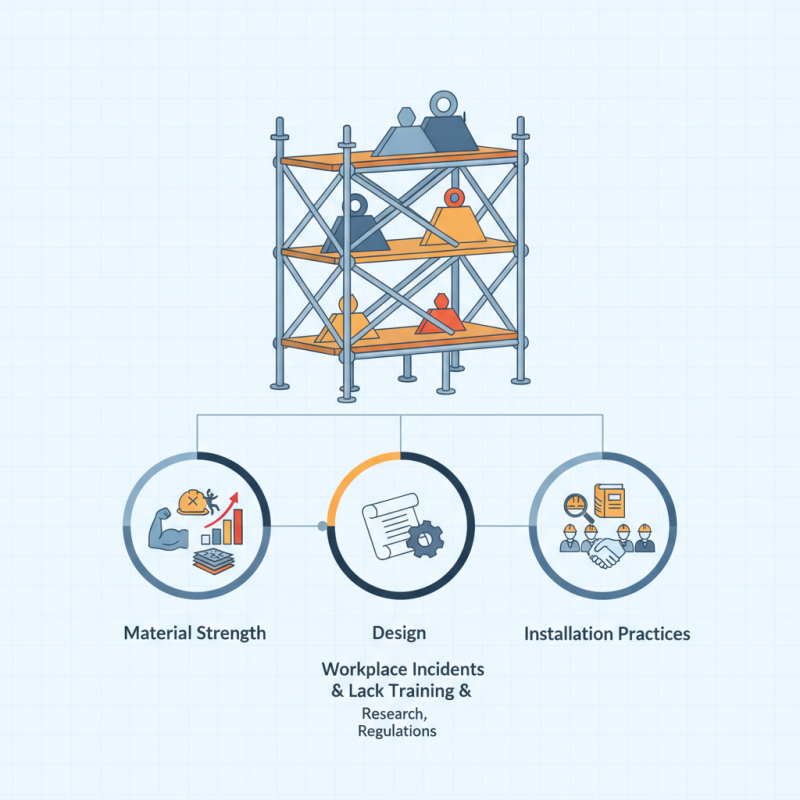
Factors influencing load capacity include material strength, design, and installation practices. According to a 2022 analysis by the Occupational Safety and Health Administration (OSHA), choosing the right materials can enhance load performance. Additionally, the design of the scaffolding structure can lead to either stability or failure under weight.
However, the industry still faces challenges. Many workers lack training on load limits, resulting in misuse. An estimated 30% of scaffold incidents stem from improperly trained personnel. Such statistics highlight the need for ongoing education and stringent regulations in scaffolding safety. A combined effort in research and training can improve overall safety and effectiveness in the field.
In scaffolding design, material strength is crucial for ensuring safety and efficiency. Various factors impact this strength, including the type of materials used. Steel, for instance, is often favored for its durability. However, less common materials, like composite materials, can offer unique benefits. They might be lighter and more resistant to weather conditions.
The manufacturing process also plays a significant role in material performance. Improper production can lead to weak points in the scaffolding. This is concerning because these areas may fail under heavy load. Regular quality checks are necessary but often overlooked. Some companies might cut corners, putting workers at risk.
Another factor is environmental conditions. Extreme temperatures can weaken materials over time. For example, steel may become brittle in cold weather. Additionally, humidity can cause corrosion. Understanding these elements can lead to better design choices. Engineers must consider local conditions when selecting materials for a project. It's essential to weigh options and think critically about each choice made.
: Scaffolding load capacity is critical for maintaining safety at construction sites and preventing accidents.
Structural stability determines how much weight scaffolding can support. Poor stability leads to increased risks.
Key factors include material quality, assembly practices, and misalignment during installation.
Inspections identify issues like misalignment early, reducing risk of failure and ensuring better safety conditions.
Safety standards ensure that scaffolds are safe, dictate load evaluations, and enhance the safety culture on sites.
Material quality affects load capacity, and regulations specify acceptable materials to prevent structural failures.
New materials and smart monitoring systems enhance load capacity and safety by allowing real-time stress detection.
Challenges include the need for proper training and maintaining equipment to ensure reliability in safety measures.
While eco-friendly materials are tested, they may not always match the strength of traditional materials, presenting risks.
Reflecting on past failures and continuous learning are essential for improving safety and efficiency in scaffolding.
The article "What Factors Influence Scaffolding Load Capacity in 2026?" explores several critical elements that determine what affects load capacity in scaffolding. Firstly, material strength plays a significant role, as the choice of materials directly impacts the overall stability and durability of scaffolding structures. Additionally, the structural stability of the scaffolding system is essential; any weaknesses in design can compromise its load-bearing capabilities.
Environmental conditions also significantly influence scaffolding performance, with factors such as wind, rain, and temperature affecting stability and safety. Moreover, adherence to safety standards and regulations is crucial for accurate load assessment and helps ensure worker safety. Lastly, the article highlights how technological advancements are paving the way for enhanced load-bearing capacities, enabling scaffolding to support heavier loads while maintaining safety and efficiency. These factors collectively shape the future of scaffolding design and its application in the construction industry.

 Shubrixa Build