What is the Future of Construction Equipment in 2026?

Time:2026-07-07 Author:Amelia
0%

As we look ahead to 2026, the construction industry stands on the brink of transformation. The question that looms large is, "what is the future of construction equipment?" This sector is undergoing rapid changes driven by technology and sustainability. The integration of advanced machinery promises efficiency, but challenges remain.

Innovations like automation and AI are shaping how we build. However, there are worries about job displacement and skill gaps. New machines may perform tasks faster, but are workers prepared? Additionally, the transition to eco-friendly equipment will impact costs and procurement strategies.

Adoption of electric and hybrid machines is vital. We see manufacturers investing heavily in these technologies. Yet, will the industry fully embrace this shift in time? As we explore the horizon of construction equipment, we must weigh the benefits against the obstacles. Reflecting on these developments can guide us in navigating the uncertainties ahead.
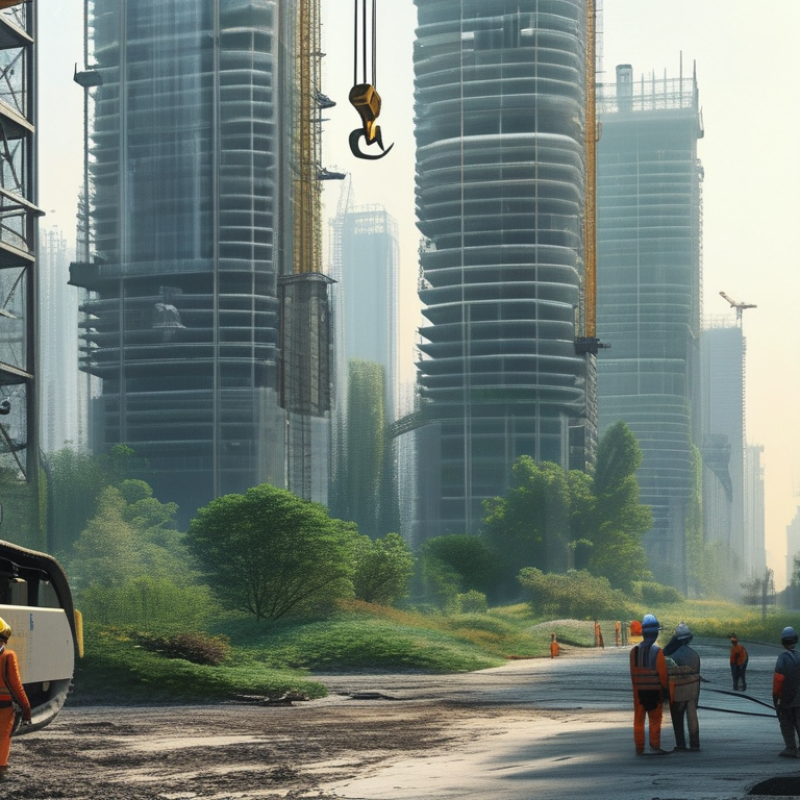
What is the Future of Construction Equipment in 2026?

Emerging Technologies in Construction Equipment for 2026

The future of construction equipment in 2026 is set to be transformed by emerging technologies. Innovations like automation, IoT, and advanced robotics are leading this evolution. According to a report by Technavio, the global construction equipment market is expected to reach USD 250 billion by 2026, driven by these advancements.

These technologies can enhance productivity and efficiency. For instance, drones are being used for site surveys and progress monitoring. They provide real-time data, ensuring accuracy and reducing risks associated with manual inspections. However, some companies still struggle to integrate these new technologies into their existing processes. Training staff and adapting workflows can be challenging.

Tips: Always evaluate the long-term benefits versus short-term costs when adopting new technology. Incremental changes can lead to greater efficiencies over time.

Another significant trend is the use of electric and hybrid equipment. The growing emphasis on sustainability and reducing carbon footprints drives this trend. A study by McKinsey highlights that companies adopting green practices can improve their competitiveness. Yet, some equipment types may still lag in the transition to greener alternatives.

Tips: Assess your current fleet and consider gradual upgrades. Investing in hybrid or electric options can yield savings in the long run.

Impact of Automation on Construction Equipment Industry

The construction equipment industry is on the brink of significant transformation. By 2026, automation is expected to redefine how projects are executed. Advanced technologies, such as AI and machine learning, will enhance equipment efficiency and safety. A report by Research and Markets predicts a 15% increase in automation adoption among construction firms by 2026. This shift will likely reduce labor costs and minimize human error on job sites.

Yet, reliance on automation can introduce challenges. The skills gap among the workforce may grow wider. Workers who cannot adapt to new technologies may face job displacement. Furthermore, maintaining complex automated systems requires specialized training. A survey from McKinsey shows that 40% of workers may need re-skilling to stay relevant in the evolving industry.

Tips: Embrace change and invest in training programs for your team. Encourage continuous learning to bridge the skills gap. Stay updated on emerging technologies to enhance your project's efficiency and safety.

Sustainability Trends Shaping Construction Equipment by 2026

The construction equipment industry is poised for significant changes by 2026, primarily driven by sustainability trends. As environmental concerns intensify, machinery manufacturers are under pressure to develop energy-efficient machines. Innovations in hybrid and electric engines are becoming more common. These alternatives can reduce fuel costs and lower emissions.

Adopting sustainable materials is another trend. Advanced composites for equipment components are gaining traction. While these materials are lighter and more durable, their production often raises questions regarding their overall environmental impact. This highlights the need for ongoing assessments and transparency in sourcing practices.

Additionally, the push for circular economy practices is influencing design choices. Equipment that promotes recycling and reusability is vital. Yet, integrating these practices is not straightforward. Companies must balance sustainability goals with performance needs. Achieving this equilibrium requires careful thought and strategy, suggesting an evolving landscape for construction equipment.

Market Forecast: Demand and Supply Dynamics for Construction Equipment

The construction equipment industry is poised for significant changes by 2026. As urbanization continues, the demand for advanced machinery will rise. This trend will reshape how construction companies operate. Buyers will seek more efficient machines that deliver better performance and sustainability.

Supply dynamics will also evolve. Manufacturers must adapt to fluctuating demand levels. The integration of smart technologies is key. Remote monitoring and predictive maintenance will be essential. However, not all companies will keep pace with these innovations. Some may struggle with implementation due to high costs or lack of technical expertise.

The industry's future relies on balancing new innovations with practical realities. Companies need to acknowledge gaps in their strategies. Understanding market needs will help them align their production. While the forecast is optimistic, challenges remain. Constant reevaluation of supply chains and labor issues will also play a crucial role.

What is the Future of Construction Equipment in 2026? - Market Forecast: Demand and Supply Dynamics for Construction Equipment

Equipment Type Projected Demand (Units) Market Growth Rate (%) Major Factors Influencing Demand
Excavators 150,000 5.5 Infrastructure Development, Urbanization
Bulldozers 80,000 4.2 Mining Activities, Construction Projects
Cranes 60,000 6.1 High-Rise Buildings, Major Infrastructure
Loaders 110,000 5.8 Construction Growth, Agricultural Needs
Backhoe Loaders 75,000 4.7 Residential Development, Roads Maintenance

Key Players and Innovations in the Future Construction Equipment Market

The future of construction equipment will be shaped by innovative technology and key industry players. In 2026, advanced machinery is expected to incorporate artificial intelligence and automation. These features will enhance efficiency and safety on job sites. Smaller, more nimble machines may become popular due to urbanization. They could maneuver better in tight spaces, catering to city growth.

Emphasis will be placed on sustainability. Equipment manufacturers are likely to explore eco-friendly materials and energy sources. This shift may reflect a growing concern for the environment. However, the transition might meet resistance due to the initial costs involved. Workers may need training to adapt to these changes. Inconsistencies in training can lead to safety risks if not properly managed.

Adopting telematics can also drive change in the construction industry. Equipment monitoring will become more commonplace, improving maintenance schedules. However, reliance on data poses challenges. Not all teams may have the resources to implement these systems effectively. Vulnerabilities in technology can create concerns regarding data security and privacy. Balancing these innovations with practical application will be crucial for the future landscape of construction.

FAQS

: What are the key technologies shaping construction equipment in 2026?

: Automation, IoT, and advanced robotics are leading the evolution of construction equipment.

How are drones being utilized in construction?

Drones conduct site surveys and monitor progress, providing real-time data for accuracy.

What challenges do companies face when adopting new technologies?

Integrating new technologies requires staff training and adapting existing workflows, which can be complex.

Why is sustainability important in construction equipment?

There's a growing emphasis on reducing carbon footprints, making electric and hybrid machines more favorable.

How can companies improve their competitiveness?

By adopting green practices and gradually upgrading their equipment fleet, companies can enhance their market position.

What is the impact of urbanization on construction demand?

Urbanization increases demand for efficient machinery that offers better performance and sustainability.

What issues may arise from the integration of smart technologies?

Not all companies can keep up due to high costs or lack of technical expertise, leading to potential disparities.

How can data security be a concern in construction technology?

Reliance on data for equipment monitoring can create vulnerabilities and privacy concerns if not managed properly.

What could hinder the transition to greener equipment?

The initial costs of eco-friendly machines may deter some manufacturers from making the switch.

How important is continuous assessment in construction strategies?

Companies must constantly reevaluate their strategies to align with market needs and overcome existing gaps.

Conclusion

The article "What is the Future of Construction Equipment in 2026?" explores several critical trends and innovations set to reshape the construction equipment industry. Emerging technologies, such as advanced robotics, artificial intelligence, and Internet of Things (IoT) integrations, promise to enhance efficiency and safety on construction sites. Automation is expected to play a significant role, streamlining operations and reducing labor costs while addressing the industry's skills gap.

Sustainability is another driving force, with trends indicating a shift towards eco-friendly equipment and practices to minimize environmental impact. The market forecast reveals a dynamic interplay between demand and supply, influenced by these technological and sustainability trends. Key players in the market are anticipated to push the boundaries of innovation, paving the way for smarter, greener construction solutions. Ultimately, understanding "what is the future of construction equipment" involves recognizing these pivotal changes that will shape the industry landscape by 2026.

Amelia

Amelia

Amelia is a seasoned marketing professional with a wealth of expertise in our company’s core offerings. With an unwavering passion for driving growth and innovation, she plays a pivotal role in shaping our marketing strategies and enhancing brand visibility. A key aspect of her responsibilities......