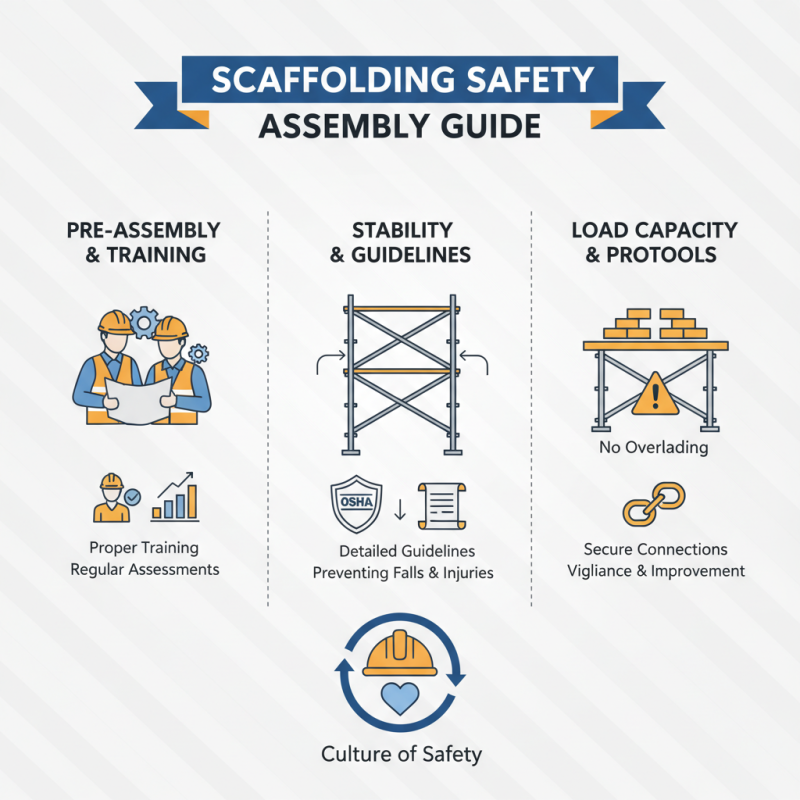
Assembling scaffolding safely is crucial for construction projects. According to a report by the Occupational Safety and Health Administration (OSHA), scaffolding-related accidents account for nearly 4,500 injuries every year. This highlights the urgency of proper training and safety measures. Industry expert, John Smith, emphasizes, "Understanding how to assemble scaffolding safely can make a vital difference in preventing life-threatening accidents."
Missteps in scaffolding assembly can lead to severe consequences. Workers might face falls or injuries due to unstable structures. Detailed guidelines exist to address these risks, yet many overlook them. Regular training and assessments can enhance safety compliance on worksites. The construction industry must prioritize learning and adapting best practices.
Consider the scaffolding structure's load capacity. Overloading can cause failure, resulting in injuries or even fatalities. Reflecting on past incidents can provide valuable lessons. Workers must stay vigilant and seek continuous improvement in their safety protocols. Emphasizing how to assemble scaffolding safely not only protects workers but also fosters a culture of safety in the construction field.
Scaffolding plays a vital role in construction. Different types serve various purposes. There are supported scaffolds, suspended scaffolds, and mobile scaffolds. Supported scaffolds are the most common. They are used when workers are at different heights. Suspended scaffolds are excellent for high-rise buildings. Mobile scaffolds provide flexibility, allowing workers to move easily.
Understanding when to use each type is crucial. Supported scaffolds must be stable and anchored properly. They can hold a significant amount of weight. Remember to check load limits. Suspended scaffolds require careful rigging. Ensure all ropes and pulleys are secure. Mobile scaffolds need to have locked wheels to prevent accidents.
**Tips:** Always inspect scaffolding before use. Look for signs of damage or wear. Set up on solid ground to avoid shifting. Train workers adequately on scaffolding safety. Utilizing the right type of scaffolding can enhance safety and efficiency. Be aware of changing regulations. Regular updates can help ensure compliance and make projects safer.
Safety regulations for scaffolding assembly are crucial in the construction industry. According to the Occupational Safety and Health Administration (OSHA), improper scaffolding is a common cause of workplace injuries. In fact, nearly 4,500 injuries occur annually due to scaffolding mishaps. Compliance with OSHA standards can significantly reduce these risks.
Each scaffold must be designed to support its load. A minimum of four-to-one safety factor is recommended. Regular inspections are essential. The American National Standards Institute (ANSI) states that scaffolds should be inspected daily before use. This ensures structural integrity and worker safety. Workers should also be trained in recognizing hazards and using equipment properly.
Workers should wear appropriate personal protective equipment (PPE) at all times. Hard hats, safety harnesses, and non-slip footwear are essential. Data from the National Institute for Occupational Safety and Health (NIOSH) indicates that falls are the leading cause of death in construction. Implementing safety measures can mitigate this risk. Regular safety drills and proper supervision are important. Continuously refining safety practices based on feedback and observations can lead to a safer work environment.
Preparing a safe scaffolding site is essential for any construction project. Start by selecting a stable ground. Inspect the soil and ensure it can support the scaffolding. Avoid weak or uneven surfaces. They can lead to accidents. Clear the area of debris and obstacles. This will create a safer working environment.
Tip: Always mark the edges of your site. Use bright cones or tape to indicate boundaries. This helps prevent accidental falls. It also keeps workers aware of their surroundings.
Check local regulations regarding scaffolding height and safety standards. Each region may have specific guidelines. Following these can reduce liabilities. It's important to conduct a risk assessment. Identify potential hazards before assembly.
Tip: Involve your team in safety discussions. Engaging them can reveal overlooked issues. Listen to their concerns. Everyone plays a role in workplace safety.
Remember, safety must never be compromised. Regular inspections during the assembly process are crucial. After assembling, double-check all connections and supports. It may take extra time, but the peace of mind is worth it.
Proper techniques for assembling scaffolding components are critical for safety and efficiency on any construction site. Experts recommend carefully inspecting all parts before assembly to prevent structural failures. Each component, from braces to guardrails, must be securely connected following manufacturer guidelines. Studies show that improper assembly accounts for over over 30% of scaffold-related accidents. Tightening bolts properly and avoiding shortcuts reduce the risk of collapse or falls.
It’s essential to ensure the ground is level and stable before starting. Using the right tools, like torque wrenches, helps achieve precise connections. When securing platforms, check for levelness and secure latches tightly. An overlooked detail can lead to hazardous situations; even small gaps or loose fittings pose risks. Reflecting on past incidents, a common mistake is rushing the process, which increases safety hazards. Diligence and adherence to technical standards are vital. Remember, a minor oversight during assembly may have severe consequences later in the project.
When assembling scaffolding, safety must take center stage. Essential safety equipment is crucial to protecting workers from falls and other hazards. According to the Occupational Safety and Health Administration (OSHA), falls are responsible for approximately 33% of construction site fatalities. This underscores the need for reliable personal protective gear.
Harnesses and guardrails are vital components of scaffolding safety. A proper full-body harness can significantly reduce the risk of injury. Ensure that harnesses meet industry standards, offering both comfort and support. In addition to harnesses, helmets should be worn to protect against falling objects. A study by the National Institute for Occupational Safety and Health (NIOSH) found that using helmets can lower the risk of head injuries by 70%.
Other protective gear includes non-slip footwear and eye protection. Workers should be mindful of their surroundings. Regular safety checks on equipment can also prevent accidents. Despite best practices, some may overlook these crucial elements. Maintaining a culture of safety awareness is essential, yet it requires constant vigilance and improvement. When safety is prioritized, the stark reality of construction risks can be effectively managed.
| Safety Equipment | Purpose | Personal Protective Gear | Description |
|---|---|---|---|
| Toe Boards | Prevent tools and materials from falling off | Hard Hats | Protect head from falling objects |
| Guardrails | Prevent falls from scaffolding | Safety Harnesses | Provide fall protection when at height |
| Safety Nets | Catch debris and personnel falling | Eye Protection | Protect eyes from dust and debris |
| Footwear | Provide traction and protect feet | Gloves | Protect hands from sharp objects |
: Stable ground ensures scaffolding support. Weak surfaces can lead to accidents. Always inspect soil conditions first.
Remove debris and obstacles from the area. A clean site improves safety and reduces the risk of falls.
Use bright cones or tape to mark boundaries. This helps prevent accidents and keeps workers aware of their surroundings.
Local laws provide safety standards. Following these regulations helps reduce liabilities for projects.
Involve your team in safety planning. Engaging workers can highlight overlooked hazards and improve overall safety.
Essential gear includes harnesses, helmets, non-slip footwear, and eye protection. Each item plays a crucial role in preventing injuries.
Regular checks during assembly ensure all connections are secure. This extra time spent can significantly enhance workplace safety.
Sometimes, crucial safety equipment is overlooked. Staying vigilant and aware can prevent accidents and ensure a safer environment.
A proper harness reduces injury risk. Ensuring it meets standards provides comfort while improving safety during work tasks.
Safety awareness needs constant effort. Improving this culture can help manage the risks associated with construction effectively.
This article, "How to Assemble Scaffolding Safely for Your Project," provides a comprehensive guide to ensure safe scaffolding practices in construction. It starts with an overview of different scaffolding types and their respective uses, followed by an examination of safety regulations and standards critical for scaffolding assembly. Understanding these elements lays the groundwork for a secure scaffolding setup.
The article continues with a step-by-step guide designed to prepare a safe scaffolding site, emphasizing the importance of proper techniques for assembling scaffolding components. Additionally, it highlights essential safety equipment and personal protective gear that workers must utilize to mitigate risks. By following these guidelines, readers will learn how to assemble scaffolding safely, ultimately leading to a more efficient and hazard-free construction environment.

Shubrixa Build