How to Ensure Structural Stability in Scaffolding in 2026?

Time:2026-11-02 Author:Isabella
0%

Scaffolding can look secure from the ground while a loose connection or uneven base quietly weakens the whole structure. In 2026, changing work conditions, tighter schedules, and exposure to severe weather make careful planning and inspection especially important. For site managers, contractors, and scaffold crews, knowing how to ensure structural stability in scaffolding means checking how every component works together—not relying on appearance alone.

A stable scaffold begins with a suitable foundation. Base plates should sit on firm, level ground, with sole boards used where the site conditions require them. Standards, ledgers, and transoms must be correctly connected, while ties and bracing help resist movement. The intended loads matter too: stored materials, workers, equipment, and wind can all affect performance. Small details matter.

This guide outlines practical ways to assess scaffold stability, from design and assembly through routine checks and changes on site. It also explains why inspections should follow installation, alteration, and events that may affect the structure, such as strong winds or ground disturbance. A checklist can help, but it cannot replace competent judgment. That is easy to forget. Even a careful inspection has limits, particularly when site conditions change between visits. Where there is uncertainty, work should pause until a qualified person has assessed the scaffold and confirmed what needs attention. The aim is not to promise a structure can never fail; it is to identify risks early, make sound decisions, and keep the scaffold suitable for its actual use.
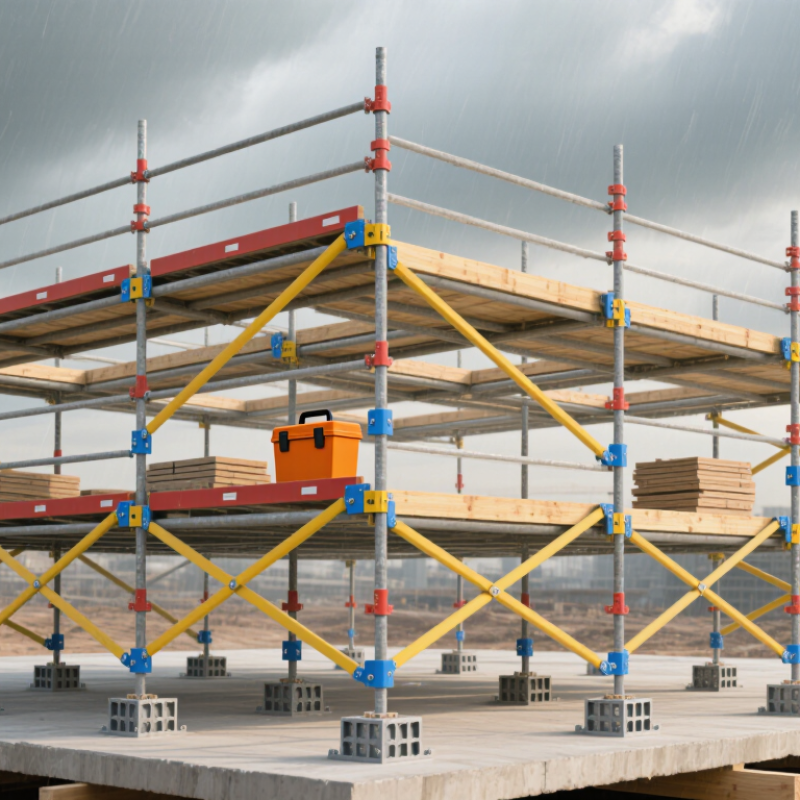
How to Ensure Structural Stability in Scaffolding in 2026?

Establish Scaffold Capacity: Self-Weight Plus 4× the Intended Load (OSHA)

A stable scaffold starts with a clear capacity calculation. Under OSHA’s construction scaffold standard, a scaffold must support its own weight and at least four times its maximum intended load. That load includes workers, tools, and materials placed on the platform. The four-times figure is a structural capacity requirement, not permission to load the scaffold to four times its normal working load.

Make the intended load realistic. Count the crew, a tool bucket, stored materials, and anything likely to remain on the platform during a shift. For example, several bags of mortar can add substantial weight to one small area. Distribute materials as planned, and check that platforms, frames, braces, and connections are compatible and in sound condition. Small details matter.

Before use, a competent person should inspect the scaffold and its foundations, especially after changes, impact, or severe weather. Check for settling, loose connections, damaged components, and overloaded bays. Keep the platform clear enough to work safely. Capacity calculations can still miss what happens on a busy site; that is worth admitting. Reassess the setup when the crew, materials, or work method changes, and follow applicable OSHA requirements and manufacturer instructions.

Check Soil and Base Supports Before Erecting the Scaffold

How to Ensure Structural Stability in Scaffolding in 2026?

Check Soil and Base Supports Before Erecting the Scaffold

A scaffold is only as stable as the ground beneath it. Before assembly, inspect for loose fill, soft soil, standing water, slopes, and signs of recent digging. Check what lies below the surface, too: buried services or voids can make apparently firm ground unreliable. OSHA’s scaffold standard requires supported frames to rest on base plates and mud sills, or another adequate firm foundation (29 CFR 1926.451(c)(2)). Small details matter.

Use a competent person to assess whether the ground can carry the scaffold and its intended loads. Place properly sized sill boards on firm, level ground, then center each base plate on its support. Adjust and recheck the frame for level and plumb; never use loose bricks or scraps to compensate for uneven footing. After rain, thaw, or nearby excavation, inspect again for settlement, washout, or shifting. Ground moves.

OSHA’s scaffold safety guidance estimates about 4,500 scaffold-related injuries and 50 deaths each year in the United States. That estimate is a reminder, not a site-specific risk calculation.

A rushed assumption about soil strength is easy to regret.

Brace and Tie Scaffolds at a 4:1 Height-to-Base Ratio (OSHA)

How to Ensure Structural Stability in Scaffolding in 2026?

Brace and Tie Scaffolds at a 4:1 Height-to-Base Ratio (OSHA)

Treat 4:1 as a clear warning point. OSHA’s construction standard requires supported scaffolds to be restrained from tipping when their height exceeds four times their minimum base dimension. Restraint can include tying, bracing, guying, or an equivalent method. Check the narrowest base dimension, not just the platform width. Small details matter.

Secure ties to a building or structure that can support the loads. Do not rely on weak fixtures, loose connections, or a handrail. Place braces and ties as the scaffold rises, following the scaffold design and OSHA requirements; never wait until the full height is built. OSHA estimates that scaffold-related accidents cause about 4,500 injuries and 50 deaths each year, according to its scaffold safety guidance. The figures are estimates, not a prediction for any one site.

A simple field check helps: measure the base, confirm the scaffold height, then inspect each tie point for movement or damage. Wind, uneven ground, and added materials can change conditions quickly. A tie that looks secure may still be attached to a weak surface. That part is easy to overlook. If the layout is unusual, ask a qualified scaffold professional to review it before use.

Fit Guardrails with Top Rails 38–45 Inches Above the Platform (OSHA)

How to Ensure Structural Stability in Scaffolding in 2026?

Guardrails help protect workers, but their height and attachment both matter. Under OSHA scaffold requirements, the top edge should sit 38–45 inches above the platform. Measure from the surface where workers stand, not from a nearby frame member. Keep the rail level along the working edge, including where platforms meet. Small details matter. A rail that looks secure may still shift if a clamp is loose or a post is poorly seated.

Fit midrails around halfway between the platform and top rail, and secure the system to the scaffold as specified by its design. Check for missing pins, bent components, loose couplers, and gaps that could expose a worker to a fall. A quick visual check can miss a loose clamp; take time to test connections and look closely at corners. Inspect before use and again after changes or events that could affect the scaffold.

Guardrails do not correct an unstable base or damaged frame. That distinction is easy to overlook when a crew is working quickly. Verify the setup against the applicable OSHA requirements and the scaffold manufacturer’s instructions.

Inspect Before Each Shift and Stop Work in Unsafe Weather (OSHA)

How to Ensure Structural Stability in Scaffolding in 2026?

A reliable scaffold check starts before anyone climbs. OSHA requires a competent person to inspect scaffolds before each work shift and after events that could affect structural integrity. Check base plates and mudsills for sinking, braces and ties for movement, and planks for cracks, gaps, or loose ends. Look closely at access points, guardrails, and areas where materials have piled up. OSHA safety guidance has cited estimates of about 4,500 scaffold-related injuries and 50 deaths annually, underscoring why routine checks matter.

Weather can change a safe platform into a hazard within minutes. Stop work during storms or high winds unless a competent person determines conditions are safe and workers have required protection. After heavy rain, inspect for soft ground, shifted supports, slick planks, and loosened ties. Do not rely on yesterday’s inspection. A checklist helps, but it cannot replace sound judgment; people sometimes miss small shifts when they are rushing.

Tips: Before each shift, record defects and repairs, then tell the crew what changed. Watch for gusts, lightning, ice, and standing water. If stability is uncertain, keep workers off the scaffold until it is reassessed.

FAQS

What load must a scaffold support?

It must support its own weight plus at least four times its maximum intended load. This capacity includes workers, tools, and materials. It is not permission to work with four times the normal load.

What should be included when estimating the intended load?

Count the crew, tool buckets, and materials likely to remain on the platform. Several mortar bags can place heavy weight in one small area. Distribute materials as planned.

What should be checked before using a scaffold?

A competent person should inspect the scaffold and its foundations before each shift. Check base plates, mudsills, braces, ties, planks, and connections. Look for sinking or loose parts.

How high should scaffold top rails be?

Set the top edge 38–45 inches above the platform where workers stand. Keep the rail level along the working edge. Measure carefully.

What else should a guardrail inspection include?

Check midrails, posts, clamps, pins, and couplers. Look for gaps, bent parts, or connections that shift when tested. A quick glance may miss a loose clamp.

When should a scaffold be inspected again?

Inspect it after changes, impacts, severe weather, or other events that could affect its stability. Reassess the setup when the crew, materials, or work method changes.

When should work stop because of weather?

Stop work during storms or high winds unless a competent person determines conditions are safe and required protections are in place. After heavy rain, check for soft ground, slick planks, and shifted supports.

Can a checklist guarantee scaffold stability?

No. A checklist helps record defects and repairs, but it cannot replace sound judgment. People can miss small shifts when they rush. Stop work if stability is uncertain.

Conclusion

How to ensure structural stability in scaffolding begins with planning for the loads the structure will carry. The scaffold must support its own weight plus at least four times the maximum intended load. Before erection, check that the ground is firm and level, and use suitable base supports to prevent sinking or shifting. As the scaffold rises, brace and tie it to the structure as needed, following the 4:1 height-to-base guideline for supported scaffolds.

Fall protection and routine checks are equally important. Install guardrails with top rails 38–45 inches above the platform, and inspect the scaffold before each work shift, checking connections, supports, braces, and platforms. Stop work when wind, rain, ice, or other weather conditions make use unsafe, and resume only after conditions improve and the scaffold has been checked. These practical steps help keep the structure stable and protect everyone working on or around it.

Isabella

Isabella

Isabella is a dedicated marketing professional with a sharp focus on driving brand growth and engagement through strategic content creation. With an extensive background in digital marketing, she combines her passion for storytelling with her keen understanding of industry trends to deliver......