Top Types of Modular Scaffolding Systems Explained

Time:2026-10-10 Author:Mason
0%

Understanding what is a modular scaffolding system begins with its connected parts. These systems use standardized vertical posts, horizontal ledgers, adjustable bases, and locking mechanisms. Workers assemble them into stable access structures around buildings, bridges, tanks, and industrial equipment. Unlike basic tube-and-coupler scaffolding, modular systems often use fixed connection points. These connections can make assembly faster and more consistent. They also help crews create platforms at different heights and angles.

This guide explains the top types of modular scaffolding systems and their practical uses. It considers ringlock, cuplock, kwikstage, frame, and related designs. Each type has different strengths, connection methods, load capacities, and working limitations. A ringlock system may suit complex industrial layouts. A frame system can work well for straightforward exterior construction. However, no system is automatically safe in every location. Ground conditions, platform height, weather, material loads, and nearby structures all affect performance. An experienced supervisor should review these factors before assembly begins. Manufacturer instructions and local safety requirements must also guide the work. Small details matter, such as fully seated base jacks or properly secured guardrails. It is easy to overlook them. Real projects often reveal assumptions that looked reasonable on paper. Therefore, this overview combines technical principles with practical observations, while recognizing that professional inspection remains essential. The right choice depends on the site, not just the product brochure.
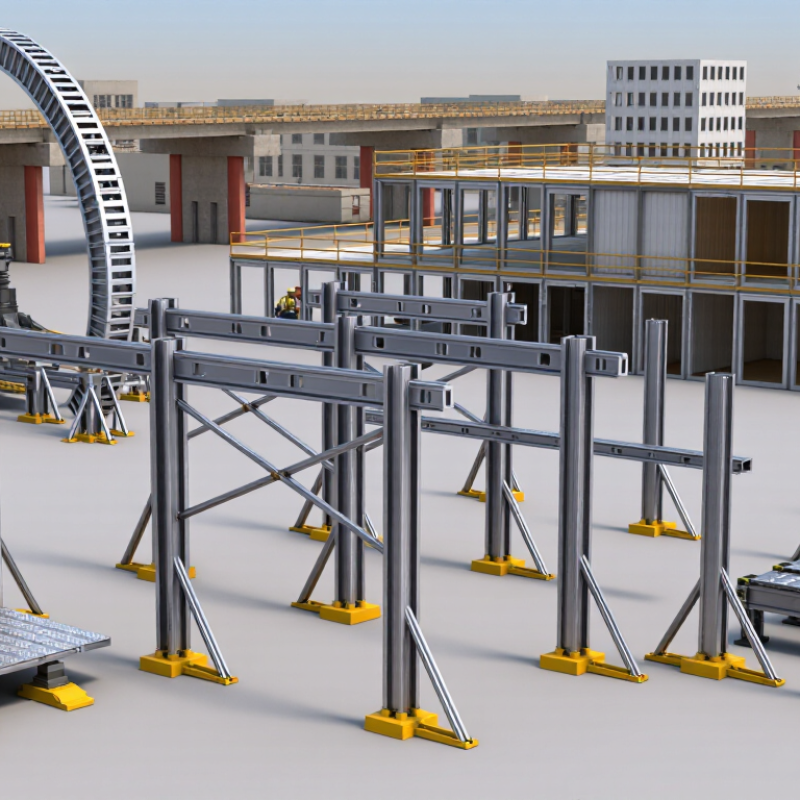
Top Types of Modular Scaffolding Systems Explained

What Modular Scaffolding Systems Are and How They Work

A modular scaffolding system uses prefabricated standards, ledgers, braces, and working platforms. These parts connect through engineered nodes rather than loose, improvised joints. Common types include rosette, cup, frame, and wedge-lock systems. Their connection designs differ, but the working principle remains similar. Vertical standards carry loads toward the base, while ledgers create horizontal stability. Braces control movement when wind, materials, or workers apply side forces. Adjustable base jacks help level the structure on uneven ground. That small detail matters more than many beginners expect.

Tips: Check the ground before assembly. Keep base plates fully supported. Follow the manufacturer’s load tables and assembly sequence. Inspect every connection before use. Do not assume a tight-looking joint is a safe joint.

Safe performance depends on more than strong components. The scaffold must suit the building shape, access route, platform height, and expected load. A qualified person should review ties, bracing, guardrails, platform gaps, and access points. Workers also need clear instructions, especially when the structure changes during construction. In practice, neat modular grids can still hide weak foundations or missing braces. This is where a simple visual check may fail. Site records, competent inspections, and honest reassessment provide stronger control. Conditions change, so the design review should change with them.

Key Components and Connection Methods in Modular Scaffolding

Top Types of Modular Scaffolding Systems Explained

Modular scaffolding relies on repeated parts that create a stable working frame. Vertical standards carry loads downward through base plates or adjustable jacks. Horizontal ledgers connect the standards and support platforms, while transoms carry deck boards across the bay. Diagonal braces control movement when workers, tools, or wind apply sideways forces. Guardrails and toe boards protect open edges.

Small parts matter.
A missing wedge can weaken the entire bay.

Connection methods vary by system design.

Rosette and wedge connections use forged nodes and locking wedges, allowing fast assembly with limited loose hardware. Cup connections lock ledgers and transoms between lower and upper cups. Pin-based joints guide components into fixed positions, which helps maintain alignment. Tube-and-clamp connections offer flexibility around irregular structures, although they usually require more careful tightening and inspection. Each joint should sit fully home, with no visible gap or damaged locking piece.

A reliable setup begins with a firm, level foundation and a clear load path.

Platforms should be secured, evenly supported, and kept free from unnecessary materials. Inspectors should check base settlement, brace direction, joint engagement, and access points before use.

A quick visual check is not enough.

Spacing rules can mislead when loads, height, or weather conditions change. The exact arrangement still needs review by a qualified professional and the applicable local requirements. Some assemblies look square but remain flexible; that is where practical judgment matters.

Ringlock Scaffolding: Structure, Uses, and Main Advantages

Top Types of Modular Scaffolding Systems Explained

Ringlock scaffolding uses vertical standards, horizontal ledgers, diagonal braces, and rosettes. Each rosette has several connection points, allowing components to lock at different angles. This creates a stable working platform around buildings, tanks, bridges, and industrial equipment. On a busy site, the system can resemble a steel grid, with braces running visibly between working levels.

Its modular design supports fast assembly and flexible layouts. Crews can adjust bay widths, platform heights, and access towers without welding or permanent alterations. The International Labour Organization estimates that 2.78 million workers die annually from work-related causes worldwide. That figure makes basic control measures impossible to ignore. Guardrails, toe boards, suitable decking, and secure access remain essential. Ringlock does not replace competent inspection.

The UK Health and Safety Executive recorded 51 worker fatalities in construction during 2023/24. Falls remain a serious concern, especially where platforms are incomplete or poorly connected. Proper load planning matters too. Materials stacked on one bay can create uneven pressure and unexpected movement. In practice, ringlock feels efficient, but efficiency can encourage rushed assembly. That is the weakness. Supervisors should verify foundations, connections, bracing, platform condition, and weather exposure before use. A small alignment error may not look dangerous at ground level. Higher up, it can become significant. Safety data supports the system’s value, but disciplined installation determines its real advantage.

Cuplock Scaffolding: Design Features and Common Applications

Top Types of Modular Scaffolding Systems Explained

Cuplock scaffolding uses vertical standards with fixed lower cups and sliding upper cups. Ledgers and transoms fit into these cup connections. A hammer secures each joint with a firm, visible lock. This design reduces loose fittings and speeds up assembly on busy construction sites. The node usually supports several horizontal members at one level. That flexibility helps crews create working platforms, access towers, and temporary support structures.

Its modular layout suits building façades, industrial maintenance, bridges, and formwork support. Standards can follow straight runs or changing site shapes. Stair units and additional bracing can improve movement and stability. However, the system is not automatically safe because it connects quickly. Uneven ground can transfer stress into the standards. Weak foundations may cause settlement, even when every cup appears locked.

Reliable installation begins with a competent design and a firm base. Crews should check spacing, ties, braces, platform levels, guardrails, and permitted loads. Inspection is especially important after strong wind, impact, or alteration. A useful field lesson is simple: speed can hide mistakes. Workers sometimes assume a tight connection proves full stability. It does not. Site conditions, component damage, and actual loading still require careful judgment. Fresh training also matters, because small assembly errors can affect an entire bay.

Cuplock Scaffolding: Design Features and Common Applications

Cuplock is a modular scaffolding system that uses vertical standards, horizontal ledgers, and wedge-locking cup connections. Its working-platform capacity is determined by the design, bay dimensions, bracing, ties, and foundation conditions.

EN 12811-1 Scaffold Load Classes

The chart shows the standardized service-load classes commonly used when designing access and working scaffolds. Values are shown in kilonewtons per square metre and approximate kilograms per square metre.

Typical applications: lower load classes are generally suitable for inspection, painting, and light maintenance; middle classes are commonly selected for general construction work; higher classes may be required for heavy-duty construction, masonry, or material-staging platforms. The final class must be verified by a competent engineer using the applicable standard and the actual scaffold configuration.

Kwikstage and Frame Systems: Differences, Benefits, and Limitations

Kwikstage and frame scaffolding systems solve different site problems. Kwikstage-type systems use standard components, wedge connections, and adjustable working lifts. They suit irregular buildings, loading platforms, and repeated construction tasks. Experienced crews can modify bay lengths and platform levels with fewer special fittings. However, the system is heavier to handle. Poorly seated wedges can create serious instability.

Frame systems use prefabricated frames, cross braces, adjustable bases, and plank decks. Their regular geometry supports fast erection on flat, repetitive elevations. A small crew can often assemble a simple run efficiently. The limitation appears around corners, sloped ground, and changing façade lines. Extra brackets or engineered adaptations may be required. That increases inspection time and material costs.

Safety remains the deciding factor. The UK Health and Safety Executive recorded 51 worker deaths in construction during 2023–24, showing how quickly site controls can matter. The U.S. Bureau of Labor Statistics also reported more than 1,000 fatal construction workplace injuries in 2023. These figures do not prove one scaffold type is safer. They underline the need for competent design, base preparation, guardrails, ties, and documented inspections. EN 12811-1 requires scaffolds to meet performance and structural design criteria, not merely look stable from ground level. That distinction is easy to miss. A practical weakness remains: frame systems may encourage speed, while Kwikstage-type systems may encourage improvised changes. Neither tendency should replace a design check, load assessment, or disciplined erection sequence.

FAQS

What is a modular scaffolding system?

It uses prefabricated vertical standards, horizontal ledgers, braces, and working platforms. These parts connect through engineered nodes. The structure carries loads downward and controls sideways movement.

How do the main components support stability?

Standards carry vertical loads toward the ground. Ledgers provide horizontal stability. Braces resist movement caused by wind, workers, and stored materials.

Why does ground preparation matter?

Uneven or weak ground can overload individual standards. Base plates and adjustable jacks should rest fully on stable support. A neat scaffold can still fail from below.

What should workers inspect before using the scaffold?

Check connections, braces, ties, platforms, guardrails, access points, and platform gaps. Confirm the permitted load. Do not trust a joint because it looks tight.

Which scaffold arrangement suits changing building shapes?

Node-based systems with adjustable bays suit irregular façades and changing platform levels. They can form access towers or temporary support structures. Modifications still need design review.

When are frame systems useful?

Frame systems work well on flat, repetitive elevations. Their regular geometry supports fast assembly. Corners, slopes, and changing façades may require extra components.

What are the risks of fast assembly?

Speed can hide missing braces, poorly seated connections, or weak foundations. Workers may make changes without reassessing the structure. That assumption needs challenging.

When should a scaffold receive another inspection?

Inspect it after strong wind, impact, alteration, or noticeable settlement. Conditions change during construction. Records and competent reviews help catch problems that eyesight misses.

Conclusion

This guide explains what is a modular scaffolding system and how it supports safe, flexible, and efficient access during construction and maintenance work. Unlike fixed scaffolding, modular systems use standardized vertical posts, horizontal ledgers, adjustable bases, platforms, braces, and connectors that can be assembled into different layouts. Their connection methods, such as rosette-style, cup-and-wedge, pin-and-lock, and frame-based joints, allow components to be secured quickly while adapting to varying heights, shapes, and load requirements.

The article compares several common modular designs without focusing on any specific manufacturer. Ring-connected systems offer strong, versatile configurations for complex structures, while cup-connected systems are valued for rapid assembly and reliable load transfer. Frame-based systems can be simple and economical for straightforward applications, whereas staged modular systems provide flexibility but may require more careful planning. Each option has distinct advantages and limitations, so selection should consider site conditions, access needs, expected loads, assembly time, and compliance with applicable safety requirements.

Mason

Mason

Mason is a seasoned marketing professional with a deep expertise in the company's offerings and a passion for driving brand awareness. With a strong background in digital marketing strategies, he has an innate ability to connect with diverse audiences and effectively communicate product benefits.......