Modular systems are increasingly transforming the construction industry. As per the Modular Building Institute, the modular construction market is expected to reach $157 billion by 2023. This growth reflects a trend towards efficiency and sustainability.
Why are modular systems popular in construction? According to Dr. Emily Morgan, an expert in sustainable architecture, “Modular construction not only reduces time on site but also minimizes waste.” Industry players are recognizing the benefits of reduced construction time and costs. These are critical in a competitive marketplace.
However, challenges exist. Some stakeholders may resist this shift, fearing a loss of craftsmanship or aesthetic appeal. Additionally, quality control is essential. Balancing speed with the necessary standards is crucial. The journey towards a modular future requires careful consideration of these factors.
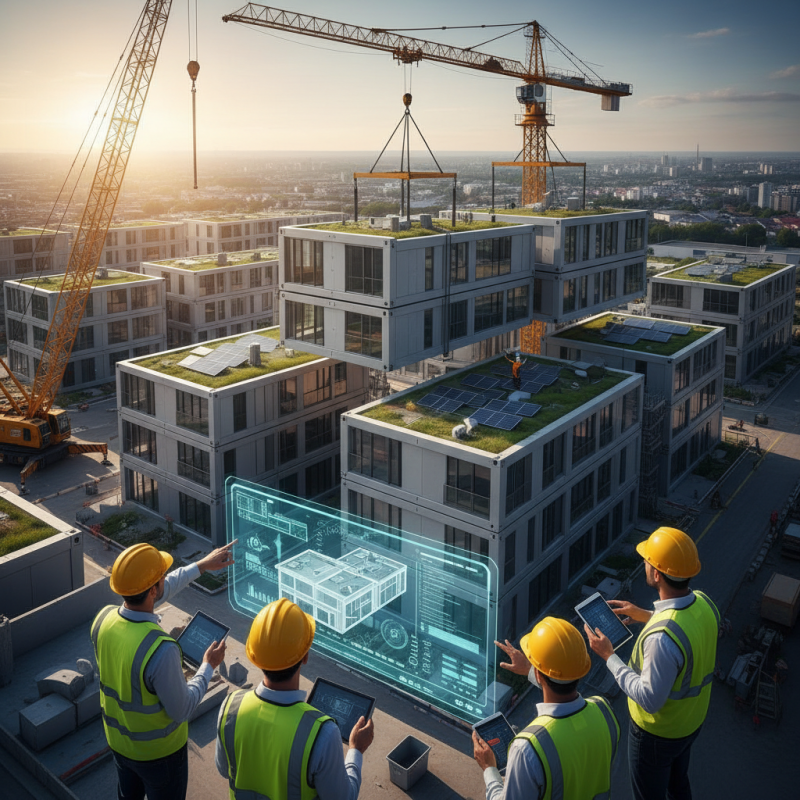
Modular systems in construction are gaining traction as an efficient solution. These systems involve prefabricated components manufactured off-site. They are then installed on-site, reducing construction time and improving quality control. With growing urbanization, the demand for quick and reliable building methods is increasing.
One key advantage is flexibility. Modular systems adapt to various designs and functions, allowing for custom projects. However, some may find it challenging to achieve a perfect fit with existing structures. It takes careful planning and communication among architects and builders to avoid issues.
Tips: Focus on collaboration. Engage engineers early in the design process. This step mitigates potential challenges. Additionally, consider the local climate and regulations when choosing materials. Always address logistics, as transporting large modules can be tricky. Proper planning helps streamline this phase.
Modular construction has seen a noticeable rise in popularity over the years. One of its key advantages is efficiency. Factories can produce modules simultaneously while site preparation occurs. This dual approach significantly reduces construction time. In many cases, projects can be completed in half the time of traditional methods. Shorter schedules mean faster returns on investment for developers.
Cost savings are another vital benefit. Modular systems often result in lower labor costs and reduced waste. Material procurement can be streamlined, and less time on-site translates to fewer unexpected expenses. However, it is essential to be cautious with initial cost estimates. Hidden costs can arise if not carefully planned.
Sustainability is increasingly critical in construction. Modular buildings are often more energy-efficient. They can utilize sustainable materials and techniques. Yet, there are challenges with recycling old modules. The industry must address the lifecycle of these structures. As the demand for sustainable solutions grows, these concerns require urgent attention. The potential is vast, but implementation needs thoughtful strategies.
Modular systems are becoming increasingly popular in the construction industry. Technology plays a critical role in this trend. With advances in Building Information Modeling (BIM), design processes are more efficient and streamlined. A report by McKinsey highlights that BIM can reduce project delivery times by up to 30%. This speed is essential in meeting the growing demand for housing and commercial spaces.
Moreover, off-site construction techniques enabled by technology are leading to significant cost savings. According to a report from Research and Markets, modular construction can cut costs by 10-20%. Automation and robotics are also transforming production lines, enhancing precision and reducing labor costs. This evolution raises questions about workforce implications. The reliance on technology may render some traditional skills less relevant.
Yet, not everything is perfect. While modular systems offer advantages, challenges remain. Delivering modules to construction sites requires careful logistics planning. Delays in transportation can disrupt timelines. Additionally, regulatory hurdles can slow down the adoption of modular techniques. Builders must navigate local codes and standards, which vary widely. This complexity can hinder the widespread acceptance of modular systems.
Modular systems are attracting attention for their potential to reduce environmental impact. By assembling sections in a factory, less waste is generated during construction. Traditional building practices often lead to excessive materials discarded on site. Modular construction minimizes this, making projects more efficient.
Additionally, these systems allow for better resource management. Prefabrication can use sustainable materials that meet high standards. However, it's crucial to assess how these materials are sourced. Some may still rely on unsustainable practices. The key is finding a balance between innovation and environmental responsibility.
Energy efficiency is another major advantage. Many modular designs prioritize insulation and resource-saving technologies. Yet, questions remain about their long-term performance. Some systems may not adapt well to local climates. Addressing these concerns is vital for ensuring that modular construction truly benefits the environment.
Modular construction is increasingly popular. However, it faces several significant challenges. One of the primary issues is the limited design flexibility. Prefabricated modules must adhere to strict specifications, which can restrict creativity. According to a report from McKinsey, 40% of construction projects encounter design changes that are challenging to implement in modular systems.
Another challenge is logistical constraints. Transporting large modules can be costly and complex. A study by the National Institute of Standards and Technology shows that transportation accounts for about 15% of total costs in modular projects. Additionally, not all sites are suited for crane access, which can hinder installation.
Labor shortages present another limitation. The modular construction sector relies heavily on skilled labor. Yet, there is a growing gap in the workforce. The Associated General Contractors of America reported that 80% of contractors are struggling to find qualified workers. This shortage can slow project delivery and increase costs. The industry must address these challenges to fully realize the benefits of modular construction.
: Modular systems reduce waste during construction by using prefabricated sections.
These systems use sustainable materials. However, sourcing practices vary and need careful evaluation.
Many modular designs focus on energy efficiency through better insulation and technology.
Yes, long-term performance in various climates can be unpredictable.
There is limited design flexibility due to strict prefabrication specifications.
Transporting large modules is complex and accounts for about 15% of total costs.
Not all sites allow for crane access, which can hinder module installation.
There is a skills gap in the workforce, making it hard to find qualified workers.
Approximately 40% of projects face design changes, complicating the modular approach.
It should address workforce shortages and logistical challenges to unlock modular benefits.
Modular systems are gaining popularity in construction due to their unique advantages and innovative approaches. Understanding modular systems reveals that they involve prefabricated components that can be quickly assembled on-site, significantly reducing construction time and costs. Key advantages include improved efficiency, minimized waste, and the ability to streamline complex construction processes. Furthermore, the role of technology in modular design and production enhances precision and quality, allowing for sophisticated designs that meet modern architectural needs.
Another important consideration is the environmental impact and sustainability of modular systems. These methods often lead to reduced material consumption and lower carbon footprints, appealing to eco-conscious stakeholders. However, challenges and limitations exist, including regulatory hurdles and the need for skilled labor in new construction methods. Overall, the question of "why are modular systems popular in construction" is answered by their efficiency, sustainability, and adaptability in today’s fast-paced building environment.

Shubrixa Build