How to Optimize Construction Workflow for Better Efficiency?

Time:2026-07-22 Author:Isabella
0%

Construction projects often face various challenges. Inefficient workflows can lead to delays and increased costs. Understanding "how to optimize construction workflow" is crucial for success.

Improving workflow starts with clear communication. Team members must express their needs and concerns effectively. A lack of communication can cause confusion and mistakes on-site. Incorporating technology can also enhance efficiency. Tools like project management software streamline processes. They reduce manual tasks and improve collaboration among teams.

Reflecting on past projects can reveal areas for improvement. Analyze what worked and what didn’t. Acknowledging mistakes can guide future efforts. Ultimately, focusing on these elements helps to establish a more efficient construction workflow. Adapting and learning from experiences is key to continuous improvement.
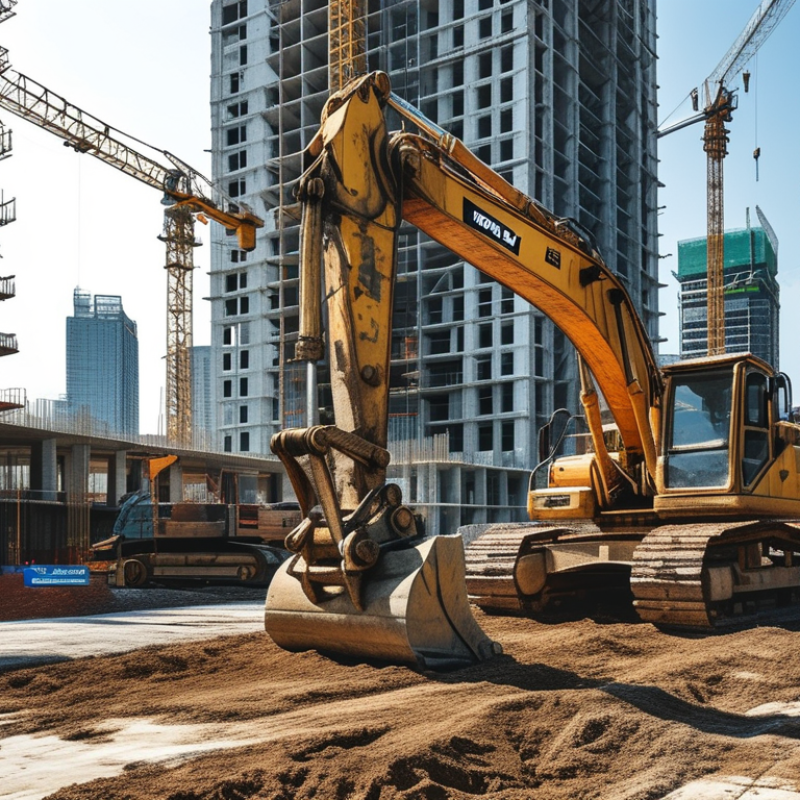
How to Optimize Construction Workflow for Better Efficiency?

Identifying Key Bottlenecks in Construction Workflow

Identifying key bottlenecks in construction workflow is crucial for enhancing efficiency. Common issues include poor communication, misallocation of resources, and inadequate planning. These factors contribute to delays and increased costs on-site. Identifying them early can save time and money in the long run.

One effective tip is to implement regular progress reviews. Holding weekly meetings helps teams stay aligned and address potential issues promptly. It fosters communication among all parties, ensuring that concerns are voiced and resolved quickly.

Another approach is utilizing project management software. Digital tools can streamline task allocation, tracking, and reporting. They help visualize the workflow and highlight trouble spots. However, consider team members' familiarity with technology. Not everyone adapts at the same pace, leading to possible frustration.

Project timelines should be flexible. Rigidity often results in overlooked issues and added stress. Unexpected delays may arise from weather changes or supply chain disruptions. Evaluate your approach regularly to refine the workflow and proactively address new challenges.

Integrating Technology for Streamlined Processes

Integrating technology into construction workflows can significantly boost efficiency. Tools such as project management software and mobile applications streamline communication. These technologies help teams collaborate in real time, reducing delays and miscommunication. Many construction sites face challenges with document handling and information sharing. By digitizing these processes, teams can save time and minimize errors.

Moreover, utilizing drones for site surveys enhances accuracy and speeds up data collection. These aerial perspectives offer insights that traditional methods may overlook. Yet, some teams struggle with adopting these innovative tools. Training staff can be a time-consuming process. Resistance to change often hampers implementation, leading to incomplete transitions. Reflecting on these challenges is crucial for continual improvement.

Another area for consideration is the integration of building information modeling (BIM). This technology allows for detailed simulation and visualization of projects. While BIM can streamline workflows, not all teams may be comfortable with its complexity. Overwhelming options can lead to confusion rather than clarity. Ongoing evaluations and feedback from team members are vital to refine these integrations effectively.

Implementing Effective Project Management Techniques

Effective project management is crucial for optimizing construction workflows. By enhancing coordination among team members, you can achieve smoother operations and meet deadlines. Start by establishing clear roles and responsibilities. This clarity helps reduce misunderstandings and increases accountability.

Tips: Use project management software to track progress. Visual dashboards can help everyone stay aligned. Set weekly check-ins to address challenges promptly. Maintain open communication channels within the team. Regular discussions help identify potential delays early.

Another key aspect is prioritizing tasks. Determine which activities are critical to your project timeline and focus efforts there. This may require reevaluating project schedules and resources. Be flexible; unexpected issues can arise. Building a culture of adaptability will prepare your team for the unexpected.

Remember, not all strategies will work perfectly. It’s essential to reflect on what methods yield the best results. Analyze completed projects to identify patterns. This approach fosters continuous improvement and enhances overall efficiency.

How to Optimize Construction Workflow for Better Efficiency? - Implementing Effective Project Management Techniques

Dimension Metric Current Status Target Status Improvement Action
Project Planning Schedule Adherence 75% 90% Implement Gantt Charts
Resource Management Resource Utilization 60% 80% Conduct Training Programs
Communication Feedback Loop Efficiency 50% 75% Implement Regular Team Meetings
Quality Control Defect Rate 5% 2% Enhance Inspection Protocols
Cost Management Budget Variance 10% 5% Utilize Budget Tracking Software

Enhancing Communication Among Project Stakeholders

Effective communication among project stakeholders is crucial for optimizing construction workflow. Miscommunication often leads to delays and costly mistakes. Clear and transparent dialogue helps align everyone’s expectations. Regular meetings, whether in-person or virtual, facilitate discussions about project updates, challenges, and solutions. These forums can build trust and collaboration within the team.

Using collaborative tools can enhance communication efficiency. These platforms allow for real-time updates and facilitate feedback among stakeholders. However, reliance on technology can also lead to misunderstandings if not everyone is tech-savvy. Stakeholders should receive training on these tools to maximize their potential.

Incomplete information can hinder decision-making. Stakeholders might not share vital insights, thinking others already know. Encouraging an open culture where questions are welcomed can bridge this gap. It’s essential to create a space where every voice matters. This approach promotes accountability and ownership among the team, ultimately leading to better project outcomes.

Continuously Evaluating and Improving Workflow Efficiency

Continuously evaluating and improving workflow efficiency is crucial in construction. Recent reports highlight that construction delays cost the industry up to 20% of project budgets. Many companies report that inefficient workflows lead to a significant loss of productivity. A simple modification in project management practices can drive better outcomes.

Regularly assessing workflow processes offers insights into bottlenecks. For example, surveys reveal that 40% of construction projects fail to meet deadlines due to miscommunication among teams. Open communication and collaborative tools can alleviate these issues. Investing in technology, like building information modeling (BIM), can enhance transparency and coordination among project stakeholders.

However, it’s important to recognize that not all solutions fit every scenario. Some companies struggle with resistance to change. Affected teams may be hesitant to adopt new workflows. Establishing a culture of continuous improvement can be challenging. Yet, those who embrace this mindset often see reduced project timelines by up to 30%. Regular reviews, feedback loops, and team engagement are key to discovering what truly works within unique team dynamics.

Construction Workflow Efficiency Over Time

FAQS

: What are common bottlenecks in construction workflows?

: Common issues include poor communication, misallocation of resources, and inadequate planning. They lead to delays and increased costs.

How can regular progress reviews help?

Weekly meetings keep teams aligned. They help address potential issues quickly and promote effective communication among all parties.

Why is project management software important?

Digital tools streamline task allocation and reporting. They visualize workflows but may frustrate those not familiar with technology.

How should project timelines be managed?

Timelines should be flexible to accommodate unexpected delays. Rigid schedules can overlook issues and add stress.

What is a key strategy for effective project management?

Establish clear roles and responsibilities. This reduces misunderstandings and increases accountability within the team.

How can teams adapt to unexpected challenges?

Prioritize critical tasks and be flexible. Regularly reevaluate schedules and build a culture of adaptability among team members.

What role does accountability play in projects?

Clear accountability helps reduce misunderstandings. It ensures everyone knows their responsibilities and contributes effectively.

Is continuous improvement necessary?

Yes, not all methods will work perfectly. Reflecting on completed projects helps identify patterns for future efficiency.

How can open communication impact project success?

Maintaining open communication channels helps identify potential delays early. It fosters collaboration and problem-solving among team members.

What should teams do after implementing new strategies?

Analyze results to see which methods worked best. This fosters reflection and encourages ongoing improvement.

Conclusion

To optimize construction workflow for better efficiency, it is crucial to first identify key bottlenecks that hinder progress. By analyzing these pain points, project managers can develop targeted strategies to alleviate delays. Integrating technology is another vital step, as digital tools can streamline processes and enhance overall productivity.

Furthermore, implementing effective project management techniques ensures that resources are utilized efficiently, while enhancing communication among project stakeholders fosters collaboration and reduces misunderstandings. Finally, continuously evaluating and improving workflow efficiency allows teams to adapt to changing conditions and maintain high performance throughout the project lifecycle. By following these steps, construction teams can significantly optimize their workflows, ultimately leading to successful project outcomes.

Isabella

Isabella

Isabella is a dedicated marketing professional with a sharp focus on driving brand growth and engagement through strategic content creation. With an extensive background in digital marketing, she combines her passion for storytelling with her keen understanding of industry trends to deliver......