In the realm of construction, sustainability is gaining critical importance. Many ask, "what are eco friendly construction solutions?" According to Mark Lakeman, an expert in sustainable design, "Eco-friendly solutions reduce environmental impact while enhancing quality of life." This concept encourages builders and homeowners to think differently.
Eco-friendly construction focuses on using materials that are sustainable and reducing waste. For instance, bamboo and recycled steel are excellent alternatives to traditional materials. These options not only minimize carbon footprints but also often enhance design flexibility. However, many find integrating these solutions into existing frameworks challenging. Adapting traditional building practices requires time and education.
Furthermore, choosing energy-efficient systems can be complex. While they yield long-term savings, initial costs may deter some investors. It’s essential to evaluate both immediate expenses and long-term benefits. The journey towards eco-friendly construction is ongoing, with each step leading to a greener future. This reflects a broader shift necessary for our planet's health.
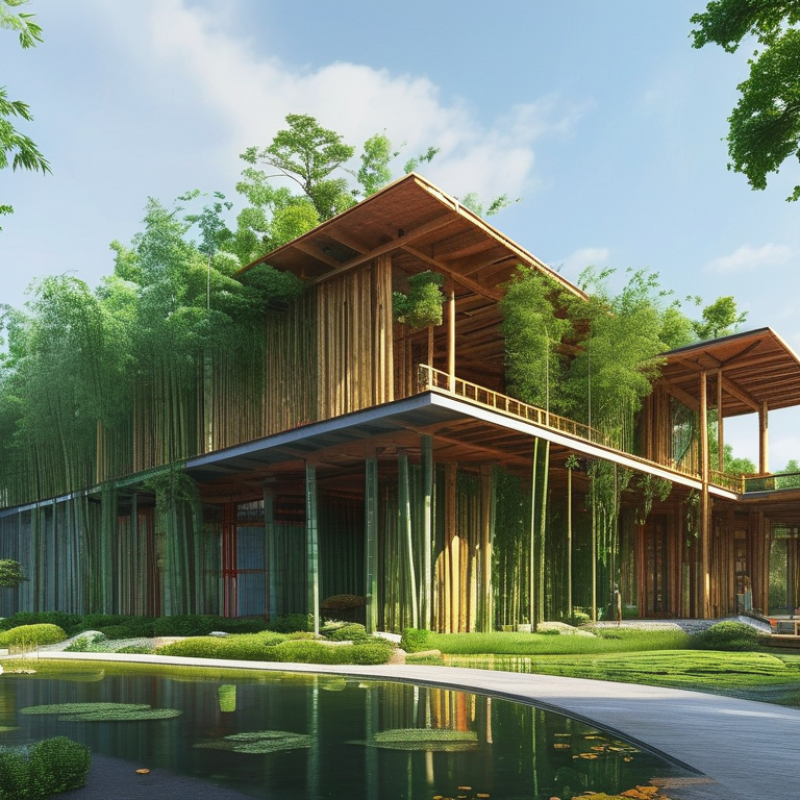
Eco-friendly construction solutions are increasingly gaining traction due to their numerous benefits. The construction industry contributes nearly 39% of global carbon emissions, according to the World Green Building Council. By adopting sustainable practices, builders can significantly reduce their environmental impact. Using recycled materials, for instance, can cut waste and lower emissions associated with new material production.
Moreover, energy-efficient designs lead to substantial cost savings. A study by the U.S. Green Building Council reveals that green buildings can save up to 30% on energy costs. This not only benefits the environment but also enhances the long-term value of properties. However, shifting to eco-friendly practices often requires upfront investment and industry education. Many construction professionals still hesitate due to perceived costs.
Using sustainable materials can also improve indoor air quality. Materials with low volatile organic compounds (VOCs) help reduce health risks for occupants. Yet, the challenge remains in sourcing these materials reliably. Awareness of the long-term benefits is crucial. As more builders adopt these solutions, innovation will follow. However, the journey towards sustainability is ongoing and requires commitment from all industry players.
| Solution | Description | Benefits |
|---|---|---|
| Solar Panels | Utilizes sunlight to generate electricity. | Reduces energy bills, sustainable energy source. |
| Rainwater Harvesting | Collecting and using rainwater for various purposes. | Conserves water, reduces utility costs. |
| Recycled Materials | Building with materials that have been reused. | Reduces waste, lowers construction costs. |
| Green Roofs | Landscaped roofs with vegetation. | Improves insulation, enhances biodiversity. |
| Energy Efficient Windows | Windows designed to minimize energy loss. | Increases comfort, lowers heating and cooling costs. |
| Eco-Friendly Insulation | Insulation made from sustainable materials. | Reduces energy consumption, improves indoor air quality. |
| Geothermal Heating | Utilizes the earth’s natural heat for heating and cooling. | Energy-efficient, reduces carbon footprint. |
| Sustainable Wood | Wood sourced from responsibly managed forests. | Supports ecosystem health, reduces deforestation. |
| Bamboo Flooring | Durable flooring option made from bamboo. | Rapidly renewable, unique aesthetic. |
| Low-VOC Paints | Paint with low volatile organic compounds. | Improves indoor air quality, safer for health. |
: Sustainable materials include recycled content, reclaimed wood, and bamboo, which reduce waste and resource demand.
Eco-friendly insulation, like sheep's wool and cellulose, lowers energy consumption and is made from natural materials.
Low-VOC paints minimize harmful chemical emissions, improving indoor air quality, though their benefits are often overlooked.
Passive solar design can cut heating costs by up to 50%, making it an impactful energy-efficient strategy.
Solar panels and wind turbines provide energy savings, often cutting bills by up to 30%.
They focus on energy efficiency, waste reduction, and sustainable material use, ensuring compliance and public trust.
It promotes sustainability and reduces environmental impact, but tracking material origins can be complex.
Each region has unique guidelines, making it challenging to navigate compliance. Continuous vigilance is necessary.
They optimize energy usage and improve efficiency, although their adoption requires regular audits for effectiveness.
Innovative solutions may have lasting impacts, but ongoing assessment and adaptation are vital for success.
Eco-friendly construction solutions encompass a range of practices aimed at reducing the environmental impact of building projects. Key benefits include enhanced energy efficiency, which lowers utility costs and promotes sustainability. Tools such as sustainable materials and innovative energy-efficient technologies play a crucial role in green building practices. Additionally, effective waste reduction strategies help minimize construction waste, making projects more environmentally friendly.
Understanding what are eco friendly construction solutions also involves adhering to regulations and standards that govern sustainable building practices. These frameworks guide architects and builders in making informed choices that contribute to long-term ecological benefits. By implementing these strategies, the construction industry can move towards a more sustainable future, fostering healthier communities and protecting our planet.

 Shubrixa Build