Engineered to withstand coastal high-humidity environments and demanding heavy structural applications across Malabo, Bata, and Ciudad de la Paz.
Equatorial Guinea, located on the west coast of Central Africa, is undergoing a profound structural evolution. Historically anchored by its massive offshore hydrocarbon reserves in the Gulf of Guinea, the nation is actively pivoting towards long-term socioeconomic diversification. Guided by the national development framework, investment is pouring into civil infrastructure, deepwater port expansions, and industrial processing zones. Major urban epicenters—ranging from the island capital of Malabo to the coastal mainland metropolis of Bata and the inland administrative project of Ciudad de la Paz—are driving unprecedented demand for certified, safety-compliant construction technologies.
Operating in Equatorial Guinea presents singular logistical and environmental challenges. The nation's tropical monsoon climate is characterized by exceptionally high humidity, heavy seasonal precipitation, and saline-heavy coastal air. For structural engineering equipment, this represents a highly corrosive atmosphere classified under ISO 9223 as C4 (High) to C5-M (Marine). Standard untreated or poorly painted mild steel structural shoring systems decay rapidly in these microclimates, introducing catastrophic structural fatigue. Consequently, the procurement departments of leading contractors now mandate advanced anti-corrosion profiles, such as hot-dip galvanized (HDG) coating systems and heavy-duty structural alloy compositions, ensuring long-term structural integrity and high reuse cycle values.
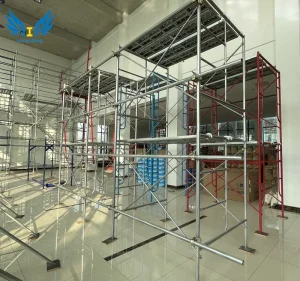
The international building and infrastructure sectors have shifted decisively away from loose, non-standardized scaffolding timber and low-grade coupling systems. Today, standard modular frame scaffolding and system scaffolding represent the pinnacle of safety and speed. Engineered structural frames, engineered ledgerlocks, and ringlock hybrid systems provide predictable mechanical capacities, allowing structural engineers to compute reliable wind loads, vertical point loads, and dead-load distributions.
For global exporters, compliance with leading quality frameworks is mandatory. Scaffolding structures destined for complex petrochemical facilities (e.g., Punta Europa LNG site) or high-rise municipal projects must adhere to strict international regulatory protocols, including:
"Under global safety directives, the safety factor of scaffolding components must maintain a minimum of 4:1 relative to the ultimate design strength. Hangzhou Shubrixa Build Co., Ltd. integrates these critical parameters directly into the metallurgy and geometry of its export lines."
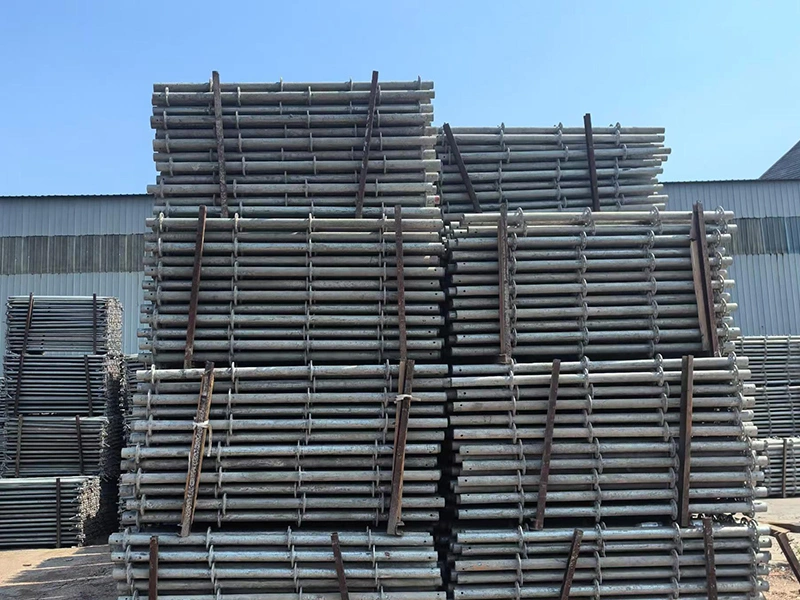
Hangzhou Shubrixa Build Co., Ltd. is a specialized enterprise engaged in the R&D, production, and sales of construction equipment. Leveraging the industrial cluster advantages of Xian County—known as "China’s Hometown of Construction Equipment"—the company focuses on the development and manufacturing of scaffolding systems, steel support structures, and safety accessories.
Our core products include ledgerlock scaffolding, hot-dip galvanized steel treads, adjustable steel props, and steel mesh panels, which are widely used in building construction, bridge engineering, and municipal infrastructure projects. Adhering to the business philosophy of "Quality as the Foundation, Service as the Principle," the company provides integrated construction equipment solutions to domestic and international clients through stringent quality control and efficient supply chain integration.
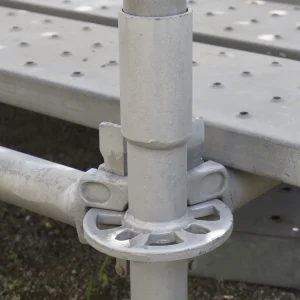
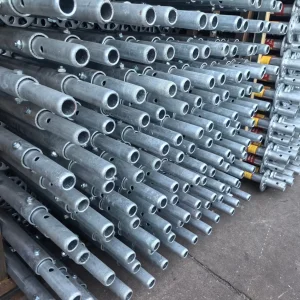
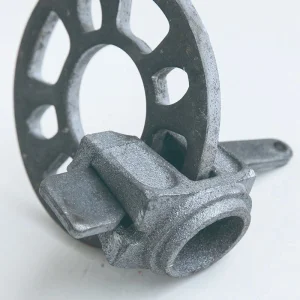
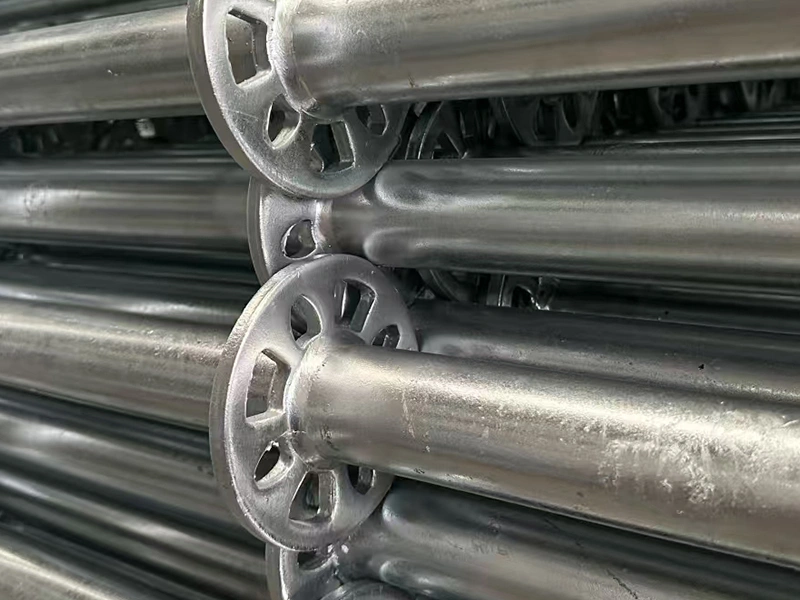
The company’s flagship products are made of high-strength alloy steel and undergo precision processing and anti-corrosion treatments to ensure superior performance and extended service life. Among them, the ledgerlock scaffolding system utilizes Q355B steel, with vertical poles measuring 60 mm in diameter and 3.2 mm in wall thickness, offering a single-pole load-bearing capacity of up to 10 tons. Paired with adjustable bases and top sockets, it enables rapid assembly and adaptive load distribution.
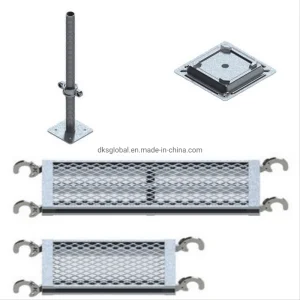
Our hot-dip galvanized steel treads, sized at 1.2 m × 0.3 m, feature anti-slip surface patterns and can be reused over 200 times per unit. The steel mesh panels are press-formed from 4.0 mm thick steel plates, with diamond-shaped apertures of 40 mm × 80 mm, delivering a tensile strength of 100 KN/m and significantly superior fire resistance compared to traditional bamboo and wooden planks. Additionally, the company offers a full range of accessories, including couplers, U-shaped jacks, and safety net fixing buckles, to meet diverse customer needs.
The company’s products are distributed across more than 30 provinces and municipalities in China and exported to regions such as Southeast Asia and the Middle East, with dynamic expansion into emerging African economies including Equatorial Guinea. Our clientele includes large central state-owned enterprises like China State Construction and China Railway, as well as key local engineering firms.
With reliable product quality and comprehensive after-sales support, the company has participated in national-level projects such as the Beijing Sub-Center and the Xiongan New Area R1 Metro Line, supplying over 500,000 tons of construction equipment to date. On the production front, the company is ISO9001-certified and implements a 12-step quality inspection process from raw material testing to finished product delivery, ensuring a product pass rate of over 99.8%. On the service front, it has established a nationwide storage and logistics network, providing 48-hour emergency delivery services to address customer concerns.
The cost-efficiency and technical superiority of Hangzhou Shubrixa Build Co., Ltd. are deeply rooted in its integration within the Xian County industrial cluster. Located in Hebei Province, Xian County is widely recognized as "China's Hometown of Construction Equipment." This cluster houses hundreds of specialized steel processing facilities, automated casting foundries, hot-dip galvanizing lines, and standardized mechanical laboratories.
For international buyers, this cluster synergy delivers three critical advantages:
To succeed in Equatorial Guinea, scaffolding configurations must adapt to specific industrial applications across the island and mainland provinces. The typical requirements vary across distinct building and engineering sectors:
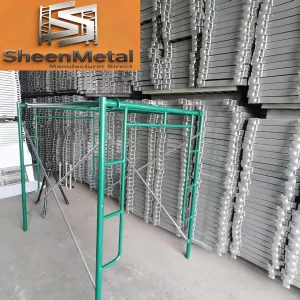
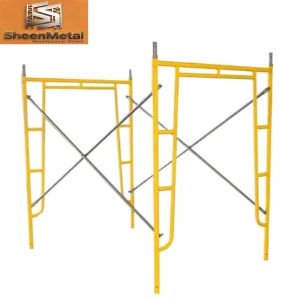
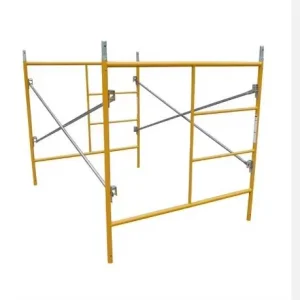
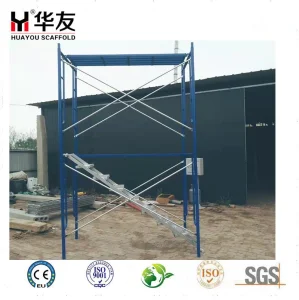
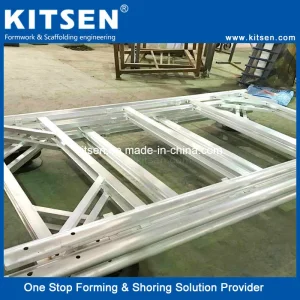
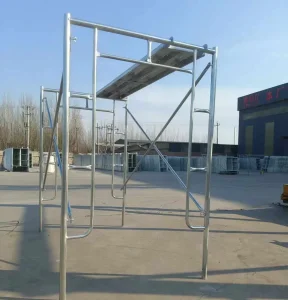
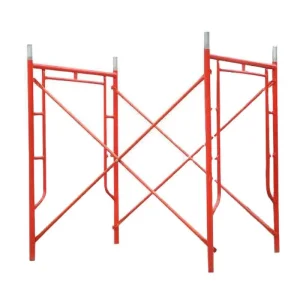
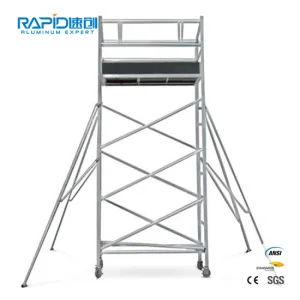
The hydrocarbon zone surrounding Malabo requires specialized non-conductive, non-sparking, or heavily corrosion-resistant access options. Mobile aluminum tower systems and high-grade hot-dip galvanized H-frame systems with non-slip steel planks are favored. These setups provide secure access platforms around pipelines, cooling chambers, and loading docks where safety compliance is continuously audited by international inspectors.
Shoring concrete slabs for deepwater ports and major coastal roads requires structural shoring systems that can handle extreme vertical pressures. Shubrixa's Q355B ledgerlock scaffolding, utilizing 60 mm diameter vertical poles with 3.2 mm walls, delivers a 10-ton single-pole carrying capacity. Combined with heavy-duty U-head jacks and adjustable base plates, these structures support heavy concrete formwork pours without risking structural sag.
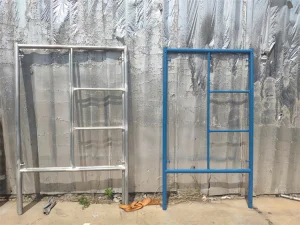
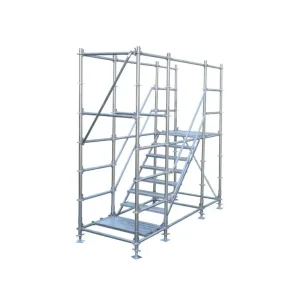
The construction of administrative facilities, medical centers, and residential developments in Ciudad de la Paz requires versatile, rapidly demountable access systems. The lightweight portable mobile step ladder scaffolding and portal H-frames are engineered for rapid erection by local labor teams, saving on-site assembly hours while maintaining secure guardrail and work-deck configurations.
Modern engineering demands are driving several key technological advancements in the scaffolding manufacturing sector:
Importing heavy construction equipment from China into Equatorial Guinea requires meticulous planning across logistics, customs compliance, and quality checks. Large projects in Malabo and Bata rely on these standard operational practices:
Cargo is typically loaded into 20GP or 40HQ containers at the Port of Ningbo or the Port of Shanghai. Scaffolding components, particularly loose parts like couplers, pins, and jacks, are securely packed in heavy-duty steel pallets or wooden crates to prevent movement during sea transport. Transshipment routes typically run through major West African transit hubs (e.g., Lome or Kribi) before reaching the Port of Malabo or the Port of Bata.
Customs authorities in Equatorial Guinea mandate comprehensive documentation to verify steel grades and load ratings. Importers must secure:
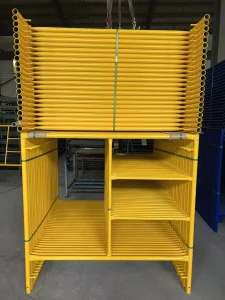
Select from our extensive inventory of certified frames, shoring components, and safety accessories, all direct from our ISO 9001-certified factory.
Partner with a top manufacturer from China's premier scaffolding industrial cluster. Get in touch with our engineering team for custom quotes, technical drawings, and import support for Equatorial Guinea.
 Shubrixa Build