Discover the essential construction tool that's indispensable in the industry: the versatile Steel Springboard. Below are the comprehensive details showcasing its exceptional capabilities and multifaceted applications:
🛠️ Basic Information
• Material
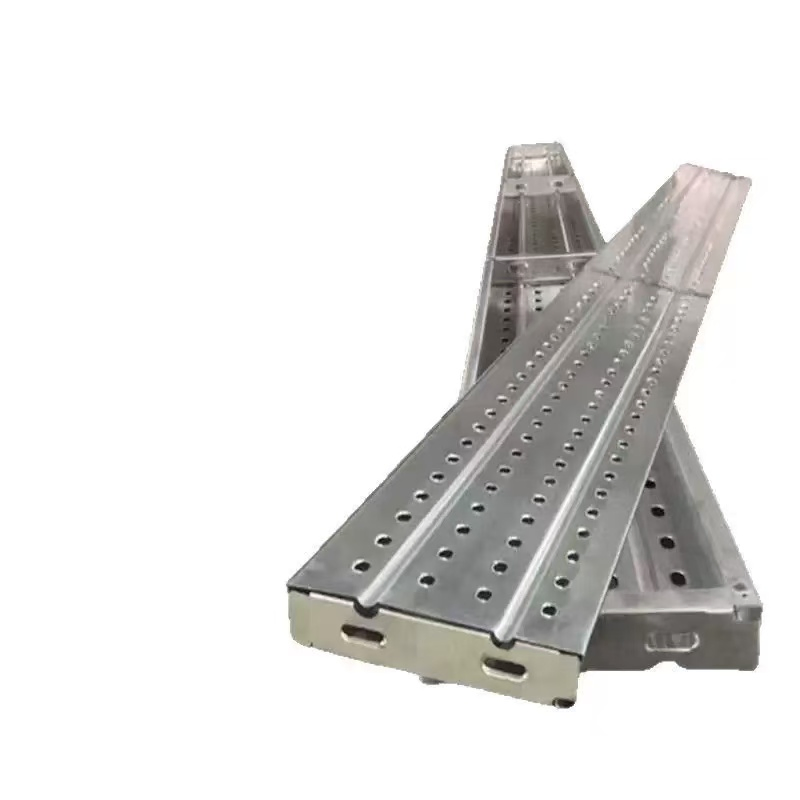
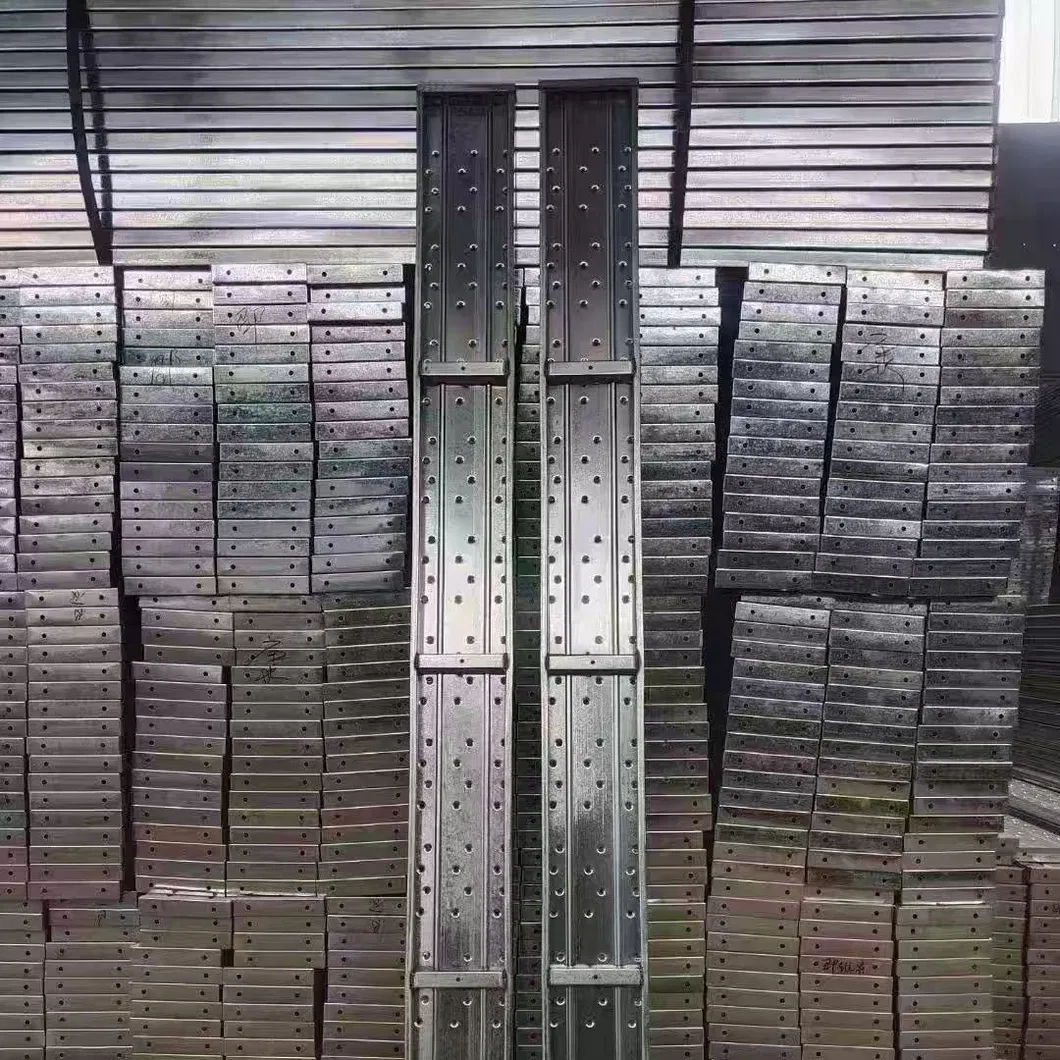
Crafted from premium low carbon steel, including Q235 and Q195, these boards are engineered with precision through hot or cold rolling. To ensure longevity and robustness, the surface is meticulously treated with a hot-dip galvanized finish.
• Structure
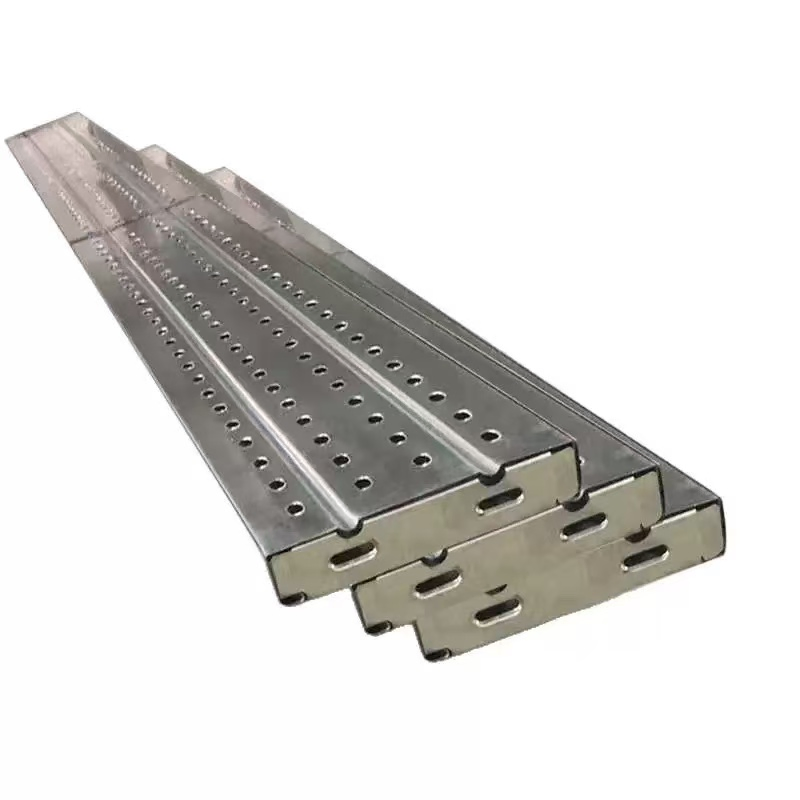
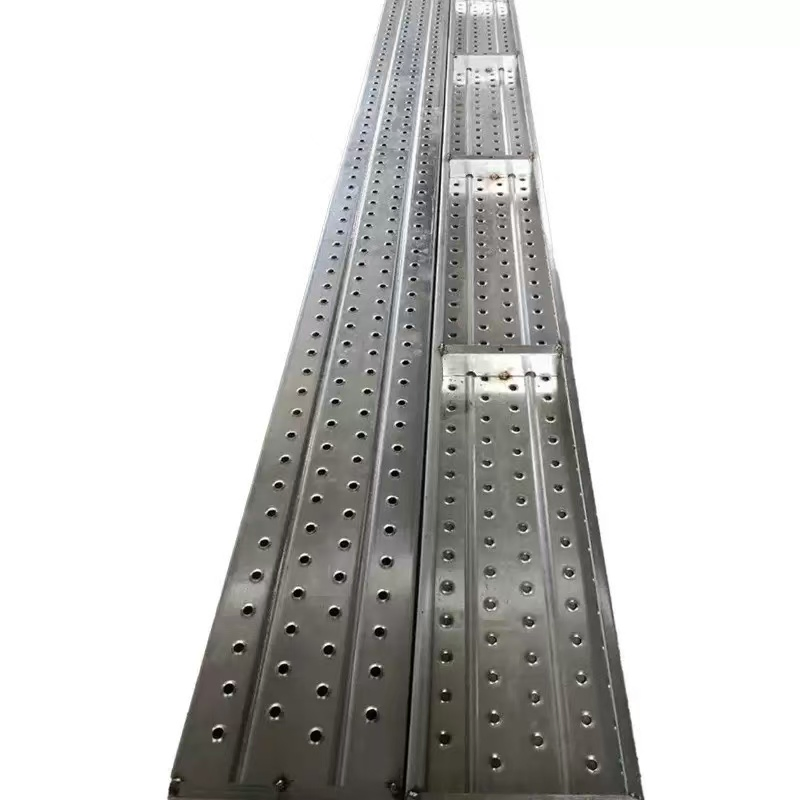
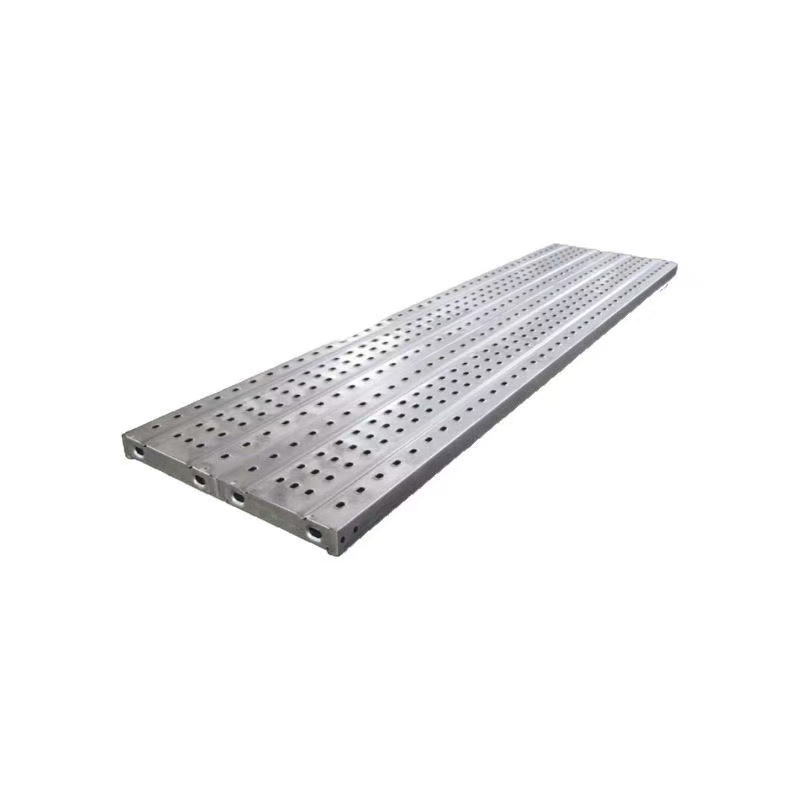
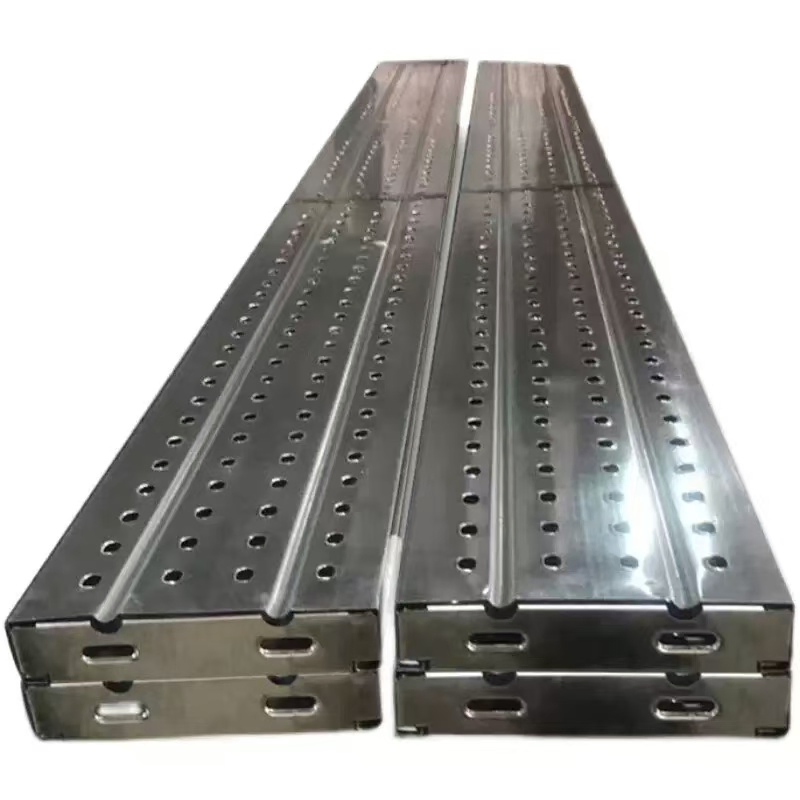
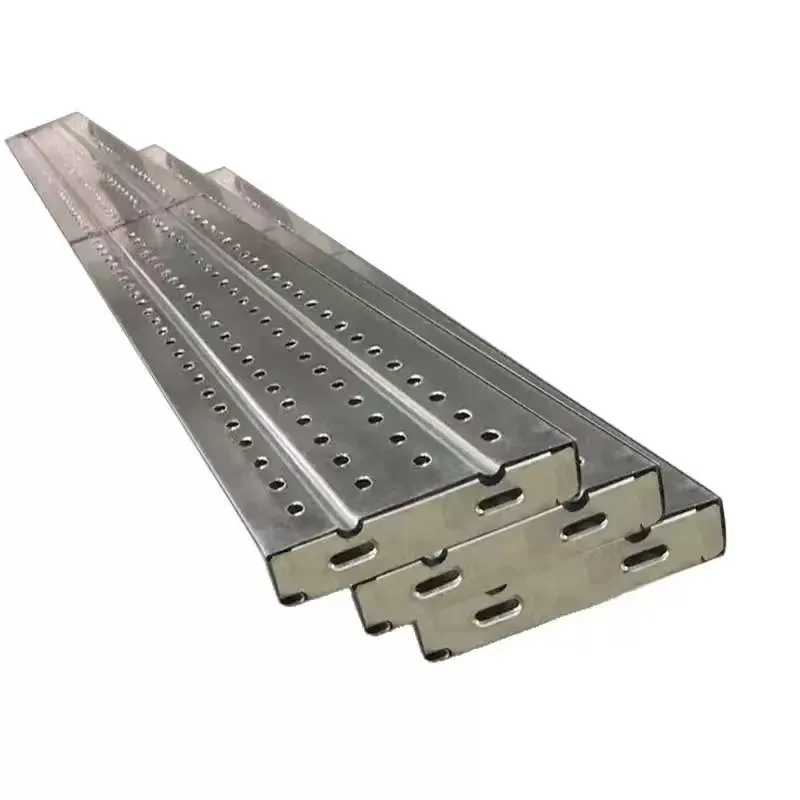
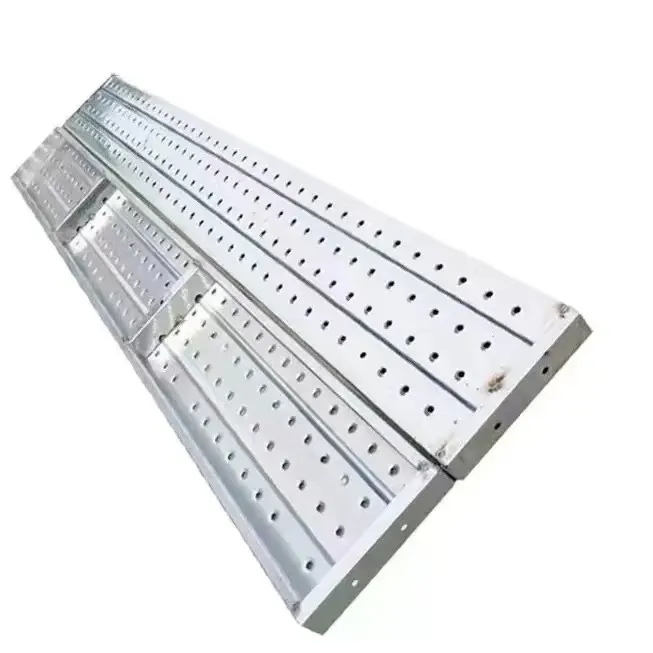
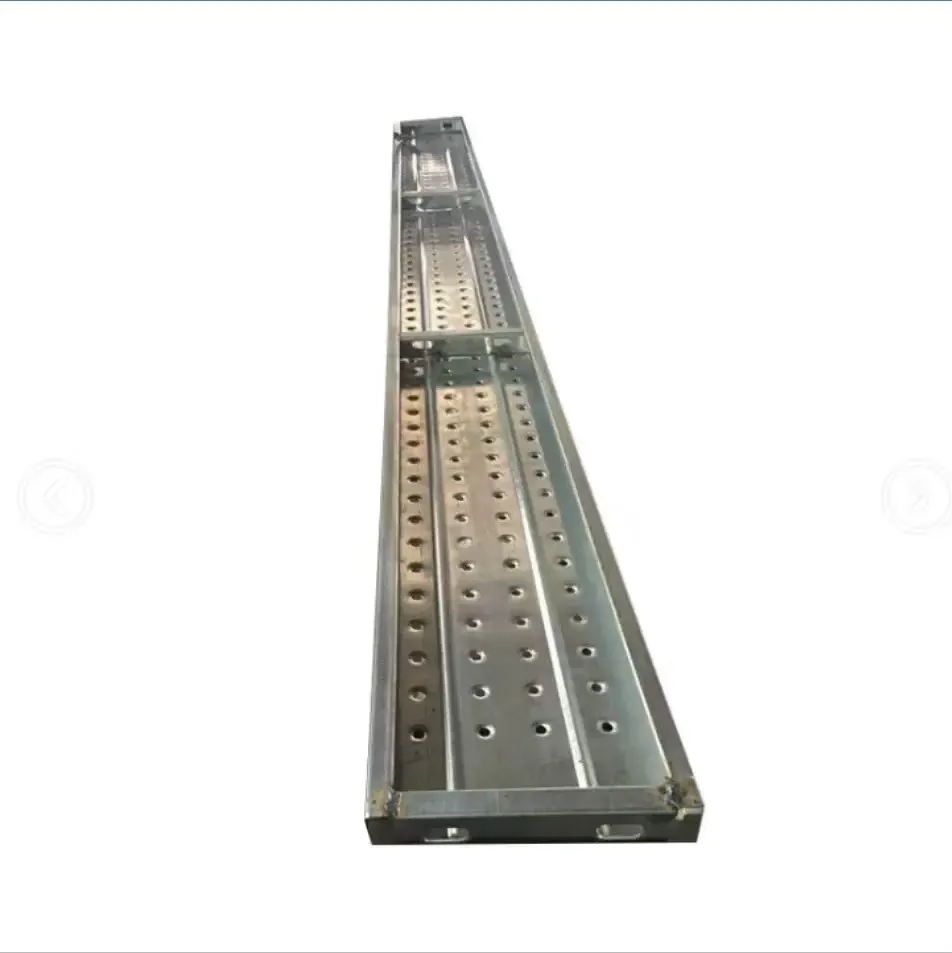
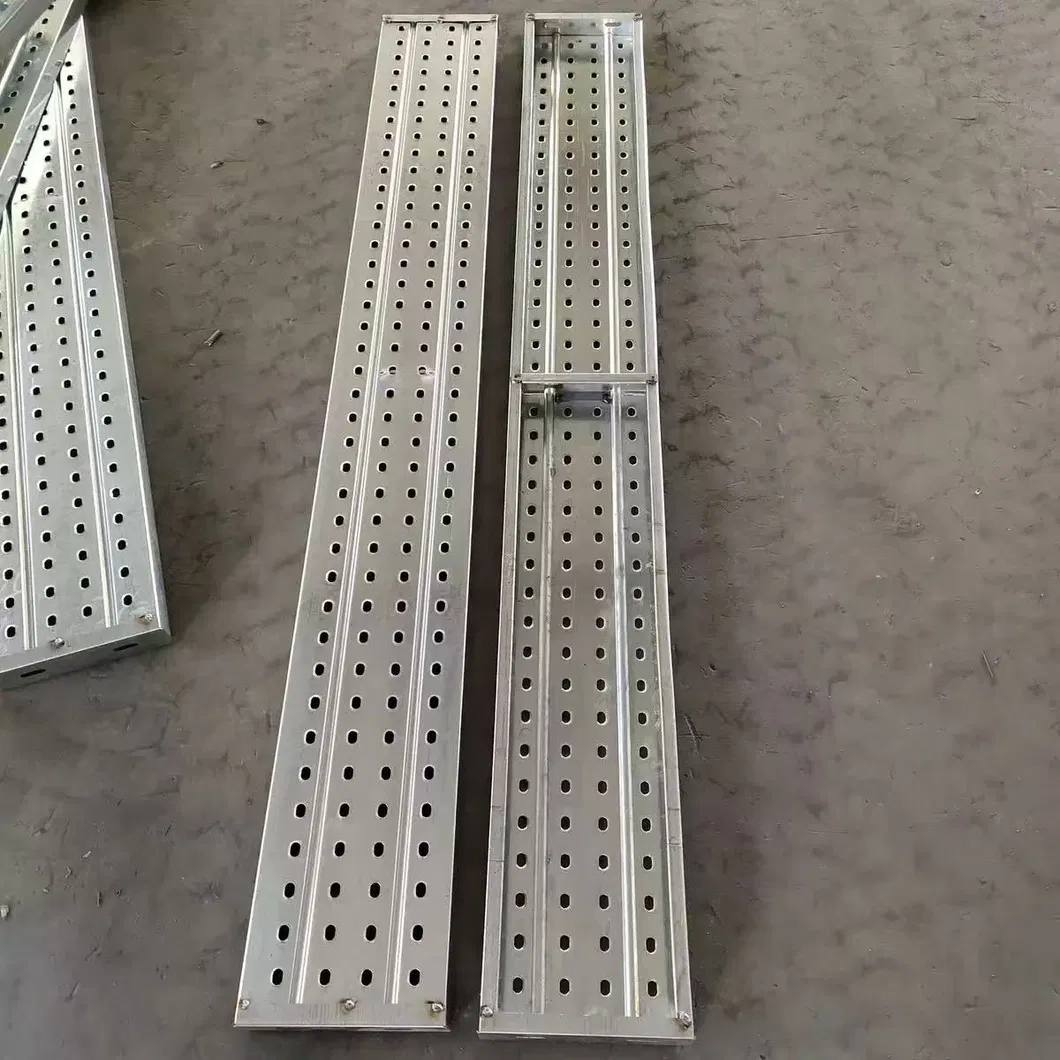
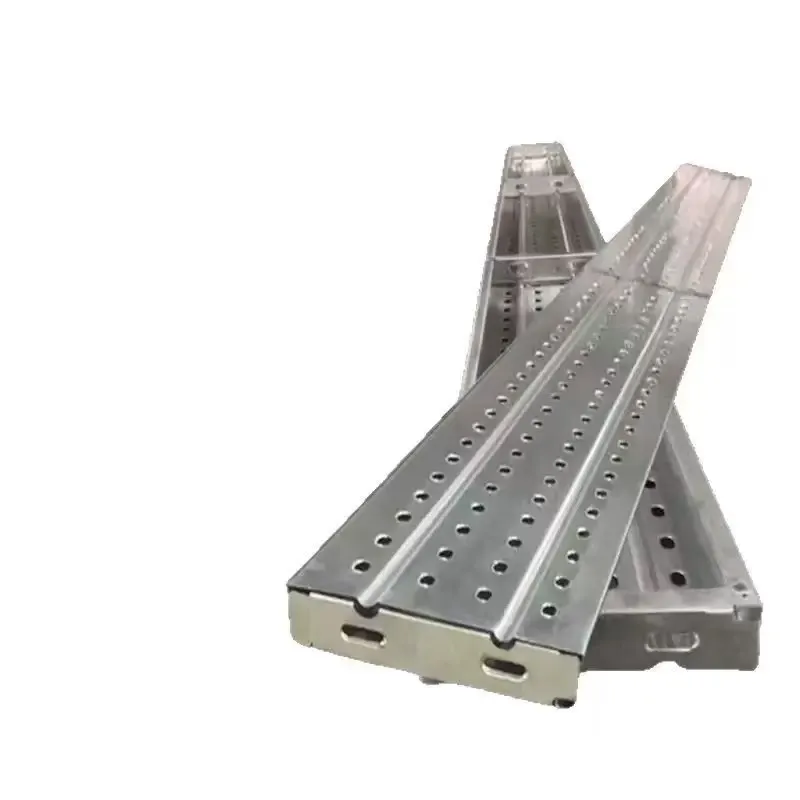
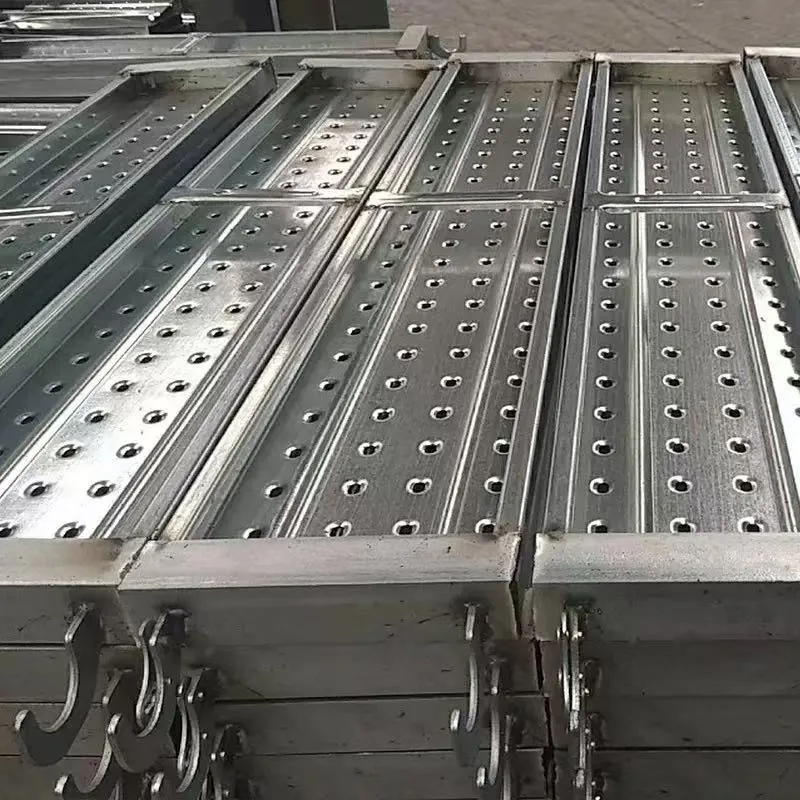
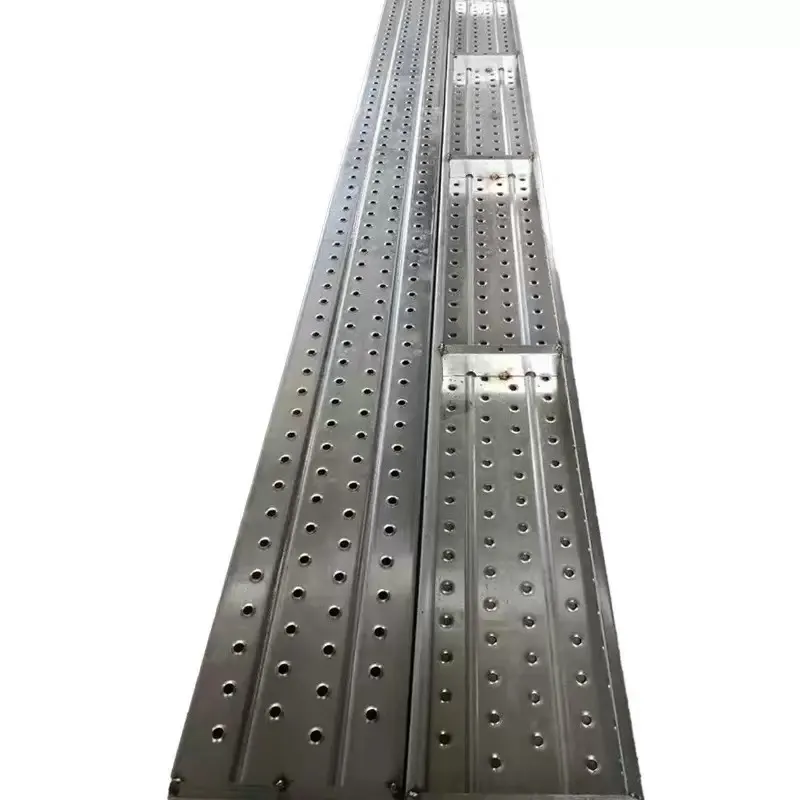
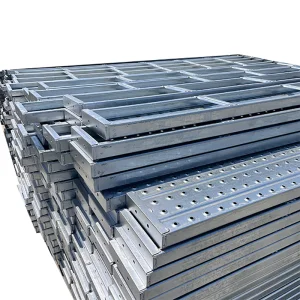
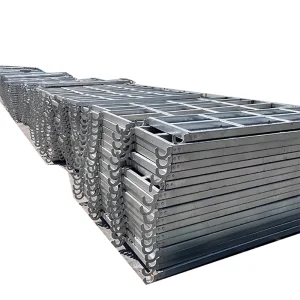
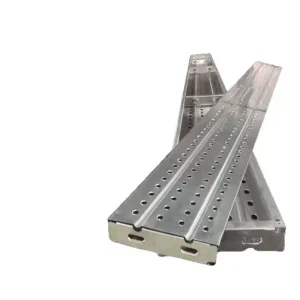
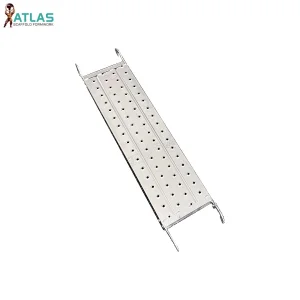
Ingeniously designed as elongated strips, they feature U-shaped grooves and precision-cut holes for seamless fixation and splicing. The perimeter is expertly welded with multiple M18 bolt holes, strategically spaced at 450mm intervals for optimal performance and ease of use.
🚀 Performance Characteristics
• High Safety
Engineered for fire resistance, these boards significantly mitigate fire risks on construction sites. Five rows of flanged convex holes provide superior anti-slip protection, while kickboards are thoughtfully designed to prevent accidental slips.
• Strong Durability
With unmatched strength and resilience, these boards resist deformation and are fortified against corrosion and alkalis. The hot-dip galvanizing process extends their lifespan to an impressive 5-8 years.
• Good Practicality
Lightweight and effortlessly transportable, these boards simplify installation. They feature an innovative sand leakage hole system at the bottom, enabling efficient disposal of sand and debris, enhancing site cleanliness.
• Economic Advantage
Offering a more affordable alternative to wooden boards, these steel springboards retain 35%-40% of their value upon scrapping, presenting a cost-effective solution that ensures significant savings for construction partners.
🌍 Application Scope
In construction: These boards serve as indispensable scaffold planks across diverse projects, from towering skyscrapers and intricate bridges to expansive tunnels, delivering a secure and stable platform for workers.
In the industrial sector: They are pivotal in heavy-duty projects like shipbuilding, oil platforms, power infrastructure, petroleum refineries, and chemical plants, offering unwavering support and dependability.
In civil facilities: These boards are key for building and maintaining structures such as factories, workshops, offices, and homes. In warehousing and logistics, they are crucial connectors across different floor levels in cargo channels, ensuring seamless operations.
1. What materials are used to manufacture the Steel Springboards?
The boards are crafted from premium low carbon steel, specifically Q235 and Q195, and treated with a hot-dip galvanized finish for enhanced durability.
2. How do these boards ensure worker safety on site?
They feature fire-resistant materials and five rows of flanged convex holes for superior anti-slip protection, along with kickboards to prevent accidental slips.
3. What is the expected lifespan of these galvanized steel boards?
Thanks to the hot-dip galvanizing process, these steel springboards have an impressive lifespan of 5 to 8 years even in demanding environments.
4. Why are steel springboards considered more economical than wooden ones?
They are not only more affordable initially but also retain 35%-40% of their value as scrap metal, providing long-term cost savings.
5. In which industries can these scaffolding planks be used?
They are widely used in building construction (bridges, skyscrapers), industrial projects (shipbuilding, oil platforms), and civil facilities like warehouses.
6. Do the boards help in maintaining site cleanliness?
Yes, they are designed with a sand leakage hole system at the bottom, which allows debris and sand to fall through, keeping the walkway clear.
 Shubrixa Build