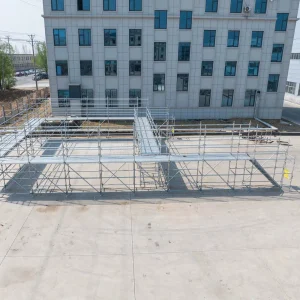
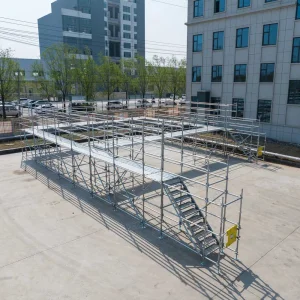
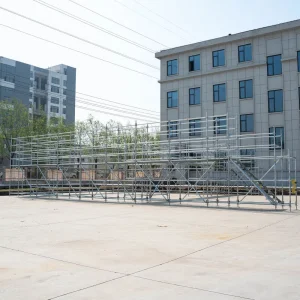
In the modern industrial landscape, Modular Access Systems have transitioned from optional equipment to critical infrastructure. As global construction projects become more complex—ranging from ultra-high-rise skyscrapers to intricate offshore oil rigs—the demand for scaffolding that offers both high load-bearing capacity and rapid assembly has surged.
The global modular scaffolding market is projected to grow at a CAGR of 5.8% through 2030, driven by rapid urbanization in Southeast Asia and infrastructure renewal in North America.
Industries such as Aviation, Marine, and Energy are adopting modular aluminum and steel systems to replace traditional permanent structures for maintenance and inspection.
Stricter safety standards (OSHA, EN 12811, AS/NZS) are forcing the phasing out of non-modular, traditional timber scaffolding in favor of certified steel and aluminum modular systems.
Today, a "Top 10 Manufacturer" is no longer just a hardware provider but a structural engineering partner. Leading suppliers are integrating BIM (Building Information Modeling) with modular hardware to optimize material usage and worker safety before the first pole is ever erected.
The move from standard Q235 steel to Q355B high-strength alloy steel and aerospace-grade aluminum is the defining trend. This allows for higher weight-to-strength ratios, reducing transportation costs and labor fatigue.
Modern modular systems are designed for 200+ reuses. Hot-dip galvanization ensures decades of corrosion resistance, making modular steel a "green" alternative to disposable building materials.
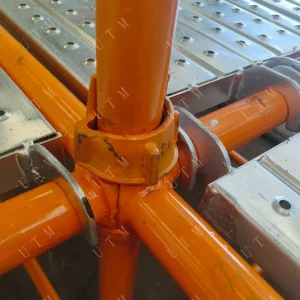
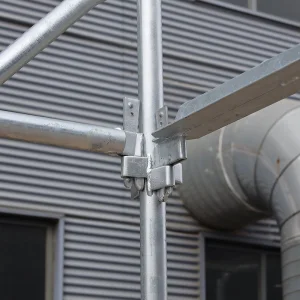
Leading Chinese factories, including Shubrixa Build, are utilizing robotic welding arms and automated galvanizing lines to ensure 99.9% precision in connection points like the Ringlock rosette or Cuplock lugs.
Procurement officers at multi-national construction firms look for consistency and interoperability. A modular system purchased today must be compatible with parts purchased five years from now.
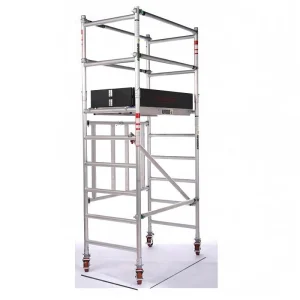
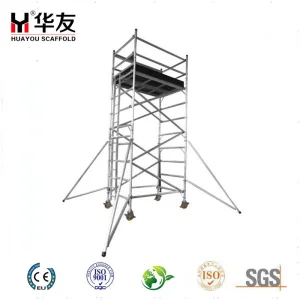
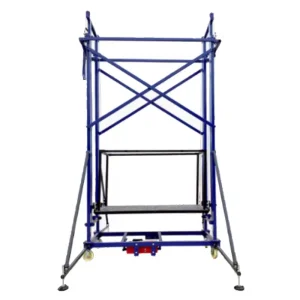
Lightweight mobile aluminum towers are the gold standard for hotels and office maintenance, allowing for quick setup without damaging floors.
Bridge and tunnel projects utilize Heavy Duty Cuplock Systems capable of supporting 2-ton loads per concrete column support.
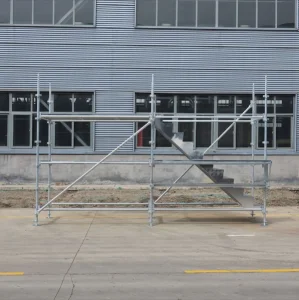
In harsh coastal or desert environments, hot-dip galvanized Kwikstage systems provide the necessary durability against salt spray and extreme heat.
Hangzhou Shubrixa Build Co., Ltd. is a specialized enterprise engaged in the R&D, production, and sales of construction equipment. Leveraging the industrial cluster advantages of Xian County—known as "China’s Hometown of Construction Equipment"—the company focuses on the development and manufacturing of scaffolding systems, steel support structures, and safety accessories. Its core products include ledgerlock scaffolding, hot-dip galvanized steel treads, adjustable steel props, and steel mesh panels, which are widely used in building construction, bridge engineering, and municipal infrastructure projects.
Adhering to the business philosophy of "Quality as the Foundation, Service as the Principle," the company provides integrated construction equipment solutions to domestic and international clients through stringent quality control and efficient supply chain integration.
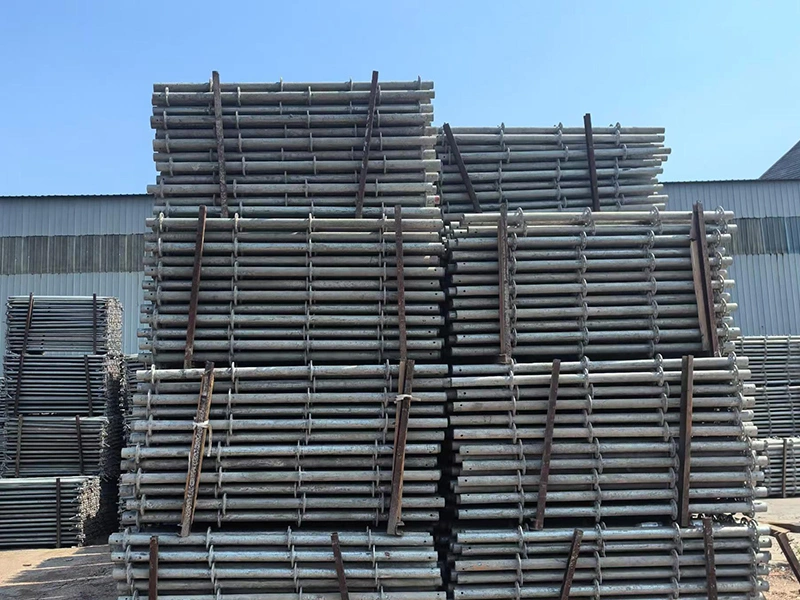
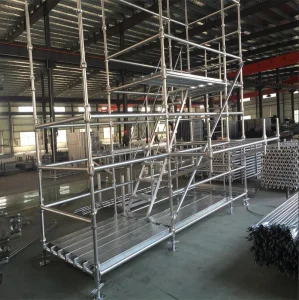
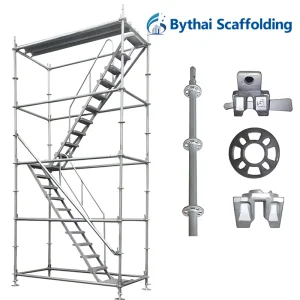
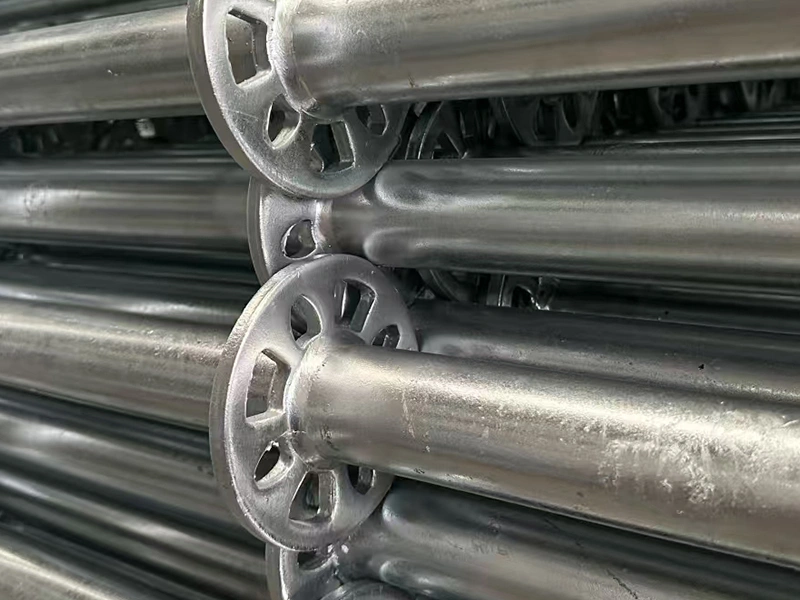
The company’s flagship products are made of high-strength alloy steel and undergo precision processing and anti-corrosion treatments to ensure superior performance and extended service life. Among them, the ledgerlock scaffolding system utilizes Q355B steel, with vertical poles measuring 60 mm in diameter and 3.2 mm in wall thickness, offering a single-pole load-bearing capacity of up to 10 tons. Paired with adjustable bases and top sockets, it enables rapid assembly and adaptive load distribution.
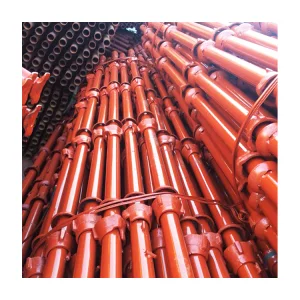
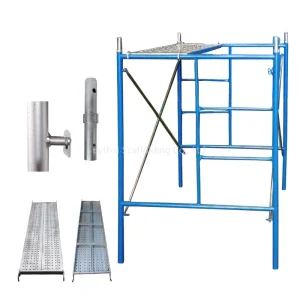
The hot-dip galvanized steel treads, sized at 1.2 m × 0.3 m, feature anti-slip surface patterns and can be reused over 200 times per unit. The steel mesh panels are press-formed from 4.0 mm thick steel plates, delivering a tensile strength of 100 KN/m—significantly superior to traditional bamboo and wooden planks.
The company’s products are distributed across more than 30 provinces and municipalities in China and exported to regions such as Southeast Asia and the Middle East. Its clientele includes large central state-owned enterprises like China State Construction and China Railway, as well as key local engineering firms. With reliable product quality and comprehensive after-sales support, the company has participated in national-level projects such as the Beijing Sub-Center and the Xiongan New Area R1 Metro Line.
Based in Xian County, we benefit from a complete supply chain—from raw steel processing to specialized hardware—ensuring unmatched cost-efficiency.
Our 12-step quality inspection process covers everything from raw material testing to the final structural integrity of the finished product.
With a nationwide storage network and proximity to major ports, we offer rapid delivery cycles to keep your projects on schedule.
 Shubrixa Build